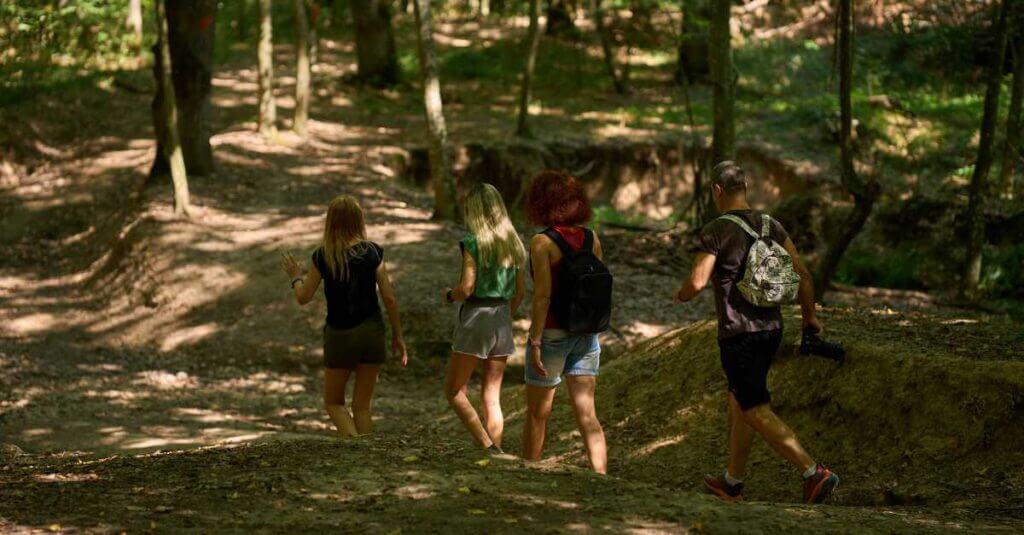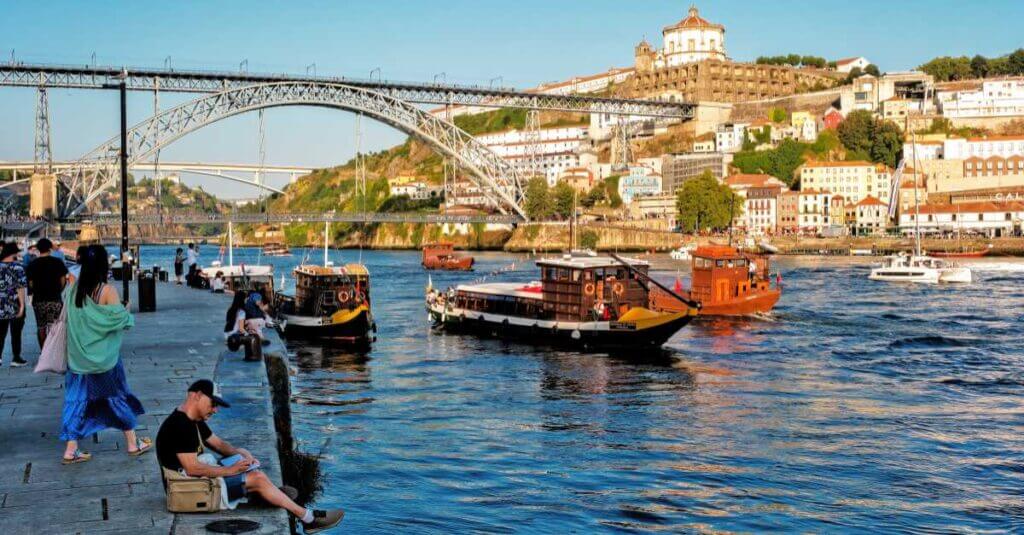
Going to Portugal alone might be the best travel decision you make this year. That’s not a marketing line — it’s genuinely what most solo travelers say after their first trip. Portugal combines the things that make solo travel easy (safety, English-friendly, walkable cities, a great hostel scene) with the things that make it memorable (extraordinary food, warm locals, beautiful landscapes in a compact country you can actually see in one trip).
Whether you’re doing solo travel for the first time and Portugal feels like a safe starting point, or you’re an experienced solo traveler who wants to know the specifics for this destination — this guide covers everything. Daily costs, the safest cities, how to actually meet people, what to watch out for, and the honest details that most guides leave out.

Why Portugal Works So Well for Solo Travelers
Before getting into the practicalities, it’s worth understanding why Portugal specifically is such a strong choice for traveling alone — because not every destination is.
It’s genuinely safe. Portugal ranks 7th globally on the 2025 Global Peace Index. Violent crime is rare. Tourist-targeted crime exists (mainly pickpocketing in busy areas) but is significantly lower than comparable cities like Barcelona or Rome. For solo travelers making decisions about where to go, this matters enormously.
English works well in tourist areas. Around 70–80% of service staff in Lisbon, Porto, and the Algarve speak conversational English. You won’t spend your trip miming at restaurant staff or feeling lost. Language barriers are real in rural areas but rarely a problem on the main tourist circuit.
The cities are walkable and compact. Lisbon and Porto are the kind of cities where you can leave your accommodation with no fixed plan, walk for three hours, and discover something interesting around every corner. For solo travelers who like exploring on their own terms, this is ideal.
The solo travel infrastructure is excellent. Lisbon and Porto have a thriving hostel scene built specifically around solo travelers. There are social events every night, communal dinners, walking tours, and pub crawls. If you want company, you will find it within hours of arriving. If you prefer solitude, the cities reward independent exploration just as well.
It’s affordable without being uncomfortable. Solo travel is almost always more expensive than traveling with others because you’re not splitting accommodation costs. Portugal softens that reality — a solo traveler can eat well, stay somewhere decent, and move around comfortably for €65–€90 per day, which is genuinely lower than comparable Western European countries.
Lisbon is consistently rated one of the best first solo destinations in the world. Multiple travel publications and solo travel communities rank it alongside Bangkok as the most accessible and rewarding city for people doing solo travel for the first time. The combination of safety, walkability, English proficiency, and social atmosphere is hard to beat.
Is Portugal Safe for Solo Travelers?
The short answer is yes — and not just as a polite reassurance, but as a measurable fact.
The data:
- Global Peace Index 2025: Portugal ranks 7th globally — higher than the UK (34th), France (57th), and the US (132nd)
- Violent crime rate: 0.74 incidents per 1,000 residents — among the lowest in Europe
- Tourist-targeted pickpocketing: 45–60 incidents per 100,000 tourists in Portugal vs 120–150 in Barcelona
Is it safe for solo female travelers specifically? Yes. Portugal is consistently ranked among the top European destinations for solo female travel in community surveys and safety indices. Every interaction described by solo female travelers returning from Portugal runs along the same lines: warm, respectful locals, no persistent harassment, and a genuine sense of ease walking around cities both during the day and at night.
Normal urban precautions apply:
- Use a crossbody bag with a zip closure, especially on Tram 28E and in Alfama
- Keep your phone in a front pocket in crowded tourist areas
- Avoid poorly lit streets in nightlife areas late at night in Bairro Alto and Cais do Sodré
- Be aware on public transport in peak tourist season — this is where the vast majority of the very limited crime occurs
Emergency information:
- Emergency number: 112 (police, fire, ambulance — English-speaking operators)
- Tourist police (PSP Turismo): operate in Lisbon, Porto, and Faro during tourist season
- Average urban emergency response time: 8–12 minutes
For a full safety breakdown: Is Portugal Safe for Tourists? Crime, Scams and Real Risks
Solo Travel Costs in Portugal 2026
The solo travel cost penalty — paying for a full room when you’re only one person — is real everywhere. Here’s how it plays out in Portugal and how to manage it.
Daily Budget Estimates (Solo, Per Person)
| Travel Style | Daily Cost | What’s Included |
|---|---|---|
| Budget (hostel dorm, local eating, public transport) | €50–€70 | 6–8 bed dorm, café breakfast, prato do dia lunch, simple dinner |
| Mid-range (private room, restaurants, transport mix) | €95–€140 | Guesthouse private room, restaurant meals, metro + occasional taxi |
| Comfortable (hotel, good dining, flexibility) | €155–€230 | 3–4 star hotel, varied dining, comfortable transport |
The Solo Supplement Problem — And How to Solve It
The biggest solo travel cost issue is accommodation. A private hotel room costs the same whether one person or two is sleeping in it. In Lisbon, a decent guesthouse private room runs €55–€95 per night — the full cost falls on you alone.
How solo travelers manage this:
Stay in hostels with private rooms. Many hostels offer private rooms at 30–40% below guesthouse prices for equivalent quality. You get privacy plus access to social spaces and hostel events. This is the most popular solution.
Stay in hostel dorms. A bed in a quality Lisbon hostel dorm costs €25–€40 per night — transformative for your nightly accommodation budget. Dorms in good hostels (Goodmorning Hostel, Home Lisbon Hostel, Lisbon Destination Hostel) are clean, well-managed, and social.
Travel in shoulder season. May, early June, September, and October all offer meaningfully lower accommodation prices than July–August, with excellent weather. A room that costs €85 in August often costs €55 in October.
Stay in smaller cities. A private room in Coimbra, Braga, or Évora costs €35–€60 — dramatically less than Lisbon or Porto. These cities are quieter, charming, and well worth including in your itinerary.
Food Costs Solo
Food costs don’t really change whether you’re alone or with others. You pay per meal, not per table.
- Café breakfast (coffee + pastry): €3–€4.50
- Prato do dia lunch (full meal at a local restaurant): €8–€14
- Dinner at a local restaurant: €13–€20
- Groceries for self-catering a meal: €5–€9
The prato do dia is the solo traveler’s best friend in Portugal. For €8–€13 you get a proper sit-down lunch — soup, main course, bread, and a drink — at a table where you can spend an hour reading, writing, or watching the world go by. No one will rush you, and you’ll eat better than most tourist restaurants charge three times as much to provide.
Full cost breakdown: Actual Daily Travel Costs in Portugal in 2026
The Best Cities for Solo Travel in Portugal
Not every Portuguese city is equally suited to solo travel. Here’s an honest assessment of each main destination.
Lisbon — The Best Starting Point
Lisbon is the undisputed top choice for solo travelers visiting Portugal for the first time, and it genuinely earns that reputation.
Why Lisbon works for solo travel:
- Exceptional hostel scene with daily social events built around meeting people
- Walkable historic centre — Alfama, Chiado, Bairro Alto, Belém all reachable on foot or by tram
- Enormous range of free activities (miradouros, historic churches, street art, markets)
- Strong English proficiency — easy to navigate independently
- Day trips by train to Sintra and Cascais are effortless and don’t require a car or a group
The honest downsides:
- Lisbon’s most atmospheric neighbourhoods involve steep hills and cobblestones — your legs will know about it after day two
- Tram 28E is genuinely charming but also genuinely crowded with tourists and pickpockets — keep valuables secure
- Accommodation in central Lisbon is the most expensive in the country
Best neighbourhoods for solo travelers:
- Chiado / Bairro Alto: Central, lively, easy to meet people in cafés and bars
- Mouraria: More local, slightly cheaper, excellent food scene
- Alfama: Atmospheric but hilly — wonderful to visit, harder to stay in if you have luggage
Don’t miss as a solo traveler:
- Morning coffee at any local pastelaria before the tourist crowds arrive
- Miradouro da Graça for the best Lisbon views with fewer people than the famous São Pedro de Alcântara
- LX Factory on Saturday afternoons — a converted industrial space with markets, food stalls, and a naturally social atmosphere
- A solo day trip to Sintra by suburban train — one of the easiest and most rewarding solo day trips in Europe
Porto — Smaller, More Intimate, Equally Social
Porto is many solo travelers’ favourite Portuguese city once they’ve been to both. It’s smaller than Lisbon, easier to navigate, and has a warmth to it that people consistently describe as more personal.
Why Porto works for solo travel:
- More compact than Lisbon — the entire historic centre is walkable in a day
- Excellent hostel scene with strong social events
- Wine cellar tours in Vila Nova de Gaia are fun solo activities (most run group tastings)
- Day trips to Braga, Guimarães, and the Douro Valley are easy by train
- Generally 15–20% cheaper than Lisbon for accommodation
Best neighbourhoods for solo travelers:
- Ribeira: Right on the river, atmospheric, close to everything
- Bonfim / Cedofeita: More local, cheaper, increasingly popular with digital nomads and longer-stay solo travelers
Don’t miss as a solo traveler:
- Walking across the Dom Luís I Bridge at sunset — one of the great free solo travel moments in Europe
- A wine tasting at one of the Gaia cellars — groups form naturally and it’s easy to meet people
- The Mercado do Bolhão — Porto’s restored historic market, excellent for solo lunch grazing
The Algarve — Best for Solo Beach Time
The Algarve is Portugal’s southern coast and its most famous beach region. For solo travelers, it’s a different experience from Lisbon and Porto — less about hostels and social scenes, more about nature, outdoor activities, and the kind of relaxed solo time that a week of sunshine and cliffs can provide.
Best Algarve towns for solo travelers:
- Lagos: The most social Algarve town with the best hostel infrastructure — easiest place to meet people on the coast
- Tavira: Quieter, more authentically Portuguese, beautiful for solo wandering — good if you want peaceful time rather than a social scene
- Sagres: End-of-the-world feel at Portugal’s southwestern tip — spectacular for solo hikers and surfers
Practical note: The Algarve requires more planning for solo travel than Lisbon or Porto. Public transport between beaches is infrequent and car rental is the most flexible option for exploring properly. See: Renting a Car in Portugal: Requirements, Costs, and Pitfalls
Smaller Cities Worth Considering
Coimbra: Portugal’s university city with a strong local culture, affordable prices, and a student atmosphere that makes it easy to meet people — especially if you’re in the 20s–30s age range. The university library alone is worth a visit.
Évora: A beautiful small city in the Alentejo — Roman temple, medieval walls, and almost no tourist crowds. Better for a quiet solo day or two than for socialising, but genuinely special.
Braga: Northern Portugal’s most dynamic smaller city — affordable, beautiful, and easy to reach from Porto by train in under an hour.
For a full guide to getting between these destinations: Explore Portugal Without a Car: 10 Scenic Itineraries by Train and Bus
How to Meet People Solo Traveling in Portugal
One of the most common anxieties about solo travel is loneliness. Portugal is actually one of the easiest destinations in Europe to meet people — here’s how it works in practice.
Stay in Social Hostels
The single most effective way to meet people in Portugal is staying in a hostel with an active social programme — even if you book a private room rather than a dorm.
Lisbon’s best social hostels for meeting people:
- Goodmorning Hostel — purpose-built for solo travelers, daily communal breakfast, walking tours, pub crawls, scavenger hunts. Extremely social without pressure to party
- Home Lisbon Hostel — family dinners, beach trips, highly rated for the community atmosphere
- Lisbon Destination Hostel — based inside Rossio train station, excellent social events and tours
Porto’s best social hostels:
- Gallery Hostel — one of Porto’s most consistently loved hostels, excellent events and social spaces
- Selina Porto — coworking space plus hostel, popular with digital nomads and longer-stay solo travelers
Most quality hostels run:
- Daily free walking tours (usually morning)
- Communal dinners (2–4 times per week)
- Pub crawls (Thursday–Saturday)
- Day trip excursions (Sintra, Cascais, Douro Valley)
You don’t need to do all of these. Even attending one communal dinner is usually enough to form connections that carry through the rest of your stay.
Join a Free Walking Tour
Free walking tours (tip-based, usually 2–3 hours) run daily in Lisbon and Porto. They attract a mix of nationalities, mostly solo travelers and couples — easy to start conversations, and a natural way to form a small group for lunch or drinks afterward.
Use GetYourGuide or Viator for Group Experiences
Booking a group tour or activity puts you in a room with other travelers immediately. Wine tasting tours in the Douro Valley, cooking classes in Lisbon, surf lessons in the Algarve — all are naturally social activities where conversations start without any effort.
Connect Before You Arrive
- Girls Love Travel (Facebook group): Active community with Lisbon and Porto threads where meet-ups are regularly organised
- Meetup.com: Lisbon in particular has a large expat and digital nomad community with regular events
- Couchsurfing Meetups: Even without staying with anyone, Couchsurfing hosts public meetups in Lisbon and Porto most weeks
In Cafés and Bars
Portuguese café culture makes solo sitting completely natural. Nobody will look twice at a solo person spending an hour over an espresso with a book. It’s actually one of the pleasures of solo travel in Portugal — the pace is slow enough to make solo time feel like something, not like waiting.
Fado houses in Lisbon are another option — sit at a communal table for a fado dinner and you’ll naturally end up talking to whoever’s next to you.
Practical Solo Travel Tips for Portugal
Getting Around Solo
Portugal’s public transport is excellent for solo travelers — you make all your own decisions, move at your own pace, and don’t need to negotiate with anyone about timing.
- In Lisbon: Get a Navegante card (€0.50) and load Zapping (€1.72 per journey). A 24-hour pass (€7.25) is worth it on busy sightseeing days
- In Porto: Buy an Andante Tour 3 (€16) if staying 2–3 days — covers airport, metro, and all city transport
- Between cities: Book CP train tickets at cp.pt — Promo tickets from €9.50 for Lisbon–Porto if booked 4–6 weeks ahead
- For the Algarve: Consider a rental car for flexibility; public transport between beaches is infrequent
Full guide: Public Transport in Portugal: The Complete 2026 Guide
Accommodation Tips for Solo Travelers
Book ahead in summer. July and August accommodation sells out. Solo travelers who leave it late end up with poor options at high prices. Book at least 6–8 weeks ahead for summer dates.
Read recent solo traveler reviews specifically. On Hostelworld and Booking.com, filter for solo traveler reviews to understand the social atmosphere of a hostel rather than just the facilities.
Consider female-only dorms. Many Lisbon and Porto hostels offer female-only dorms for female solo travelers who want the social benefits of dormitory accommodation with extra peace of mind. Look for this specifically when filtering on Hostelworld.
Guesthouses over hotels for connection. Small family-run guesthouses (pensões) often come with a host who’s happy to recommend local spots, warn you away from tourist traps, and give your trip a personal dimension that a hotel lobby cannot.
Money Management Solo
- Carry €20–€40 cash daily — small restaurants and markets often prefer cash
- Use a card with no foreign transaction fees (Wise, Revolut, or a travel credit card from home)
- Withdraw larger amounts less frequently to minimize ATM fees
- The tourist tax (€4 per night in Lisbon, €3 in Porto) is paid in cash at check-in and won’t appear on your booking confirmation — factor it into your daily budget
Staying Connected
- Buy a local SIM card at the airport on arrival: €15–€25 for a 30-day tourist plan with 10GB data (MEO, NOS, and Vodafone all offer tourist SIMs)
- Alternatively, Airalo and Jetpac offer e-SIMs you can activate before you leave home — no physical card required
- Free Wi-Fi is widely available in cafés, hostels, and transport hubs
Health and Emergencies
- Emergency: 112 (police, fire, ambulance)
- Portuguese farmácias (pharmacies) are excellent — pharmacists typically speak English and can advise on minor medical needs without a GP appointment
- Travel insurance with medical coverage is essential for non-EU visitors — emergency room visits cost €80–€150 without it
- Keep a photo of your passport in your phone’s cloud storage, separate from the physical document
Useful Apps to Download Before You Go
- CP app — Portuguese national train booking and mobile tickets
- Google Maps offline — download your destinations before you travel, works without data
- Uber and Bolt — both operate in Lisbon and Porto, cheaper than traditional taxis
- Revolut or Wise — borderless banking with no foreign transaction fees
- XE Currency — real-time EUR/USD conversion
What Nobody Tells You About Solo Travel in Portugal
The hills will humble you. Lisbon’s hills — especially in Alfama — are genuinely steep. Comfortable walking shoes are non-negotiable. Cobblestones become slippery when wet. If you have mobility concerns, research the specific terrain around your accommodation before booking.
Meal times are different from the US. Lunch is typically 12:00–15:00 and dinner doesn’t start until 19:30–20:00 at the earliest — many restaurants don’t open for dinner until 19:00. Turn up at 17:30 looking for dinner and you’ll find closed kitchens. Adjust your internal clock and embrace the rhythm.
Fado is not background music. If you attend a fado house in Lisbon, silence during the performance is expected and respected. Talking during fado is genuinely considered disrespectful. Solo travelers often find fado evenings particularly moving precisely because there’s nothing to distract from the music.
The couvert is not free. When bread, olives, or cheese appears at your table automatically, it will be charged at €1.50–€4 per person. As a solo diner, you pay per person not per table — this catches people out. You can simply say “não, obrigado” and the waiter will remove it without issue.
Slow travel rewards solo travelers more than anyone. The temptation on a solo trip is to fill every moment with activity to avoid feeling alone. Portugal works better the slower you go. Spend a morning in a single neighbourhood café. Take the scenic train rather than the fast one. A week in two cities will give you more than ten days rushing through five.
You will eat alone and it will be fine. This is the anxiety that stops many people from solo traveling. In practice, solo dining in Portugal is genuinely easy. Portuguese café and restaurant culture is used to it. Bring a book, sit at the bar if you feel self-conscious, or simply people-watch. Nobody is paying attention to the fact that you’re alone — they’re too busy with their own meal.
Sample Solo Itineraries
7 Days — First-Time Solo Traveler
Days 1–4: Lisbon
- Day 1: Arrive, get your Navegante card, walk Chiado and Bairro Alto, join hostel communal dinner
- Day 2: Alfama and São Jorge Castle in the morning (before crowds), Belém in the afternoon by tram
- Day 3: Day trip to Sintra by suburban train — Pena Palace, Moorish Castle, walk the trails
- Day 4: LX Factory Saturday market, Miradouro da Graça at sunset, fado evening in Alfama
Days 5–7: Algarve (Lagos)
- Day 5: Train from Lisbon to Lagos (4 hours, change in Tunes) — afternoon walk around old town
- Day 6: Ponta da Piedade sea caves by kayak tour (group activity, easy to meet people)
- Day 7: Meia Praia beach or Sagres day trip, evening flight or return train to Lisbon
Total estimated cost: €600–€750 excluding flights (budget style), €900–€1,100 (mid-range)
10 Days — Confident Solo Traveler
Days 1–4: Lisbon + Sintra day trip As above.
Days 5–7: Porto
- Train from Lisbon to Porto (2h 40min from €9.50 Promo)
- Day 5: Arrive Porto, Ribeira waterfront, wine tasting in Vila Nova de Gaia
- Day 6: Day trip to Braga by train (1 hour) — Bom Jesus do Monte, old town
- Day 7: Douro Valley day trip by train or organised tour
Days 8–10: Algarve
- Train from Porto to Faro via Lisbon (book in advance)
- Day 8: Tavira — one of the most beautiful and quiet Algarve towns
- Day 9: Ria Formosa lagoon tour by boat (small group, social activity)
- Day 10: Return to Lisbon or fly home from Faro
Total estimated cost: €900–€1,100 excluding flights (budget style), €1,300–€1,600 (mid-range)
For a full public transport itinerary: Portugal 8–10 Days Itinerary: Lisbon, Porto & Day Trips Using Only Public Transport
FAQs — Solo Travel in Portugal
Is Portugal good for solo travel? Yes — it’s one of the best solo travel destinations in Europe. High safety ranking, good English proficiency in tourist areas, a thriving hostel scene in Lisbon and Porto, and affordable prices relative to comparable Western European destinations all make it exceptionally well-suited to traveling alone.
Is Portugal safe for solo female travelers? Yes. Portugal’s low crime rate and respectful local culture make it one of the more comfortable European destinations for women traveling alone. The usual precautions apply — secure bag, awareness in crowded tourist areas, avoiding poorly lit streets late at night — but solo female travelers consistently report feeling safe and welcome.
How much does solo travel in Portugal cost per day? Budget solo travelers can manage €55–€70 per day including hostel accommodation, local meals, and public transport. Mid-range solo travelers should budget €95–€140 per day including a private room. See the full breakdown: Actual Daily Travel Costs in Portugal in 2026
How do I meet people traveling solo in Portugal? Stay in social hostels in Lisbon (Goodmorning Hostel, Home Lisbon Hostel) or Porto (Gallery Hostel, Selina). Join free walking tours. Book group activities through GetYourGuide. Even one communal hostel dinner is usually enough to form connections that last the rest of your trip.
What’s the best time to visit Portugal solo? May, June, September, and October offer the best combination of good weather, manageable prices, and enough other travelers around to make the social scene work without the extreme peak-season crowds and costs of July–August. See: Best Time to Visit Portugal in 2026
Do I need to speak Portuguese for solo travel in Portugal? No — not on the main tourist circuit. In Lisbon, Porto, and the Algarve, English is widely spoken by service staff. Learning a handful of Portuguese phrases (obrigado/obrigada for thank you, por favor for please, com licença for excuse me) is always appreciated and goes a long way with locals, but it’s not essential.
Is it safe to walk alone at night in Lisbon and Porto? Generally yes, in central areas. The main nightlife streets in Bairro Alto and Cais do Sodré in Lisbon, and Ribeira in Porto, stay lively late and are safe. Avoid isolated side streets in any neighbourhood late at night, which is good advice in any city worldwide.
Conclusion
Portugal is the kind of place that makes solo travel feel less like a compromise and more like the best possible way to see it. You move at your own pace, eat what you want when you want, and spend as long as you like in the places that interest you without negotiating with anyone.
The cities reward wandering. The food is extraordinary and affordable. The locals are warm. The hostel scene gives you as much or as little social contact as you want. And the country is small enough that in one trip — even a short one — you can move between a historic capital city, a riverside wine city, fairy-tale palaces, and Atlantic beaches without feeling like you’ve rushed anything.
Portugal isn’t just a safe choice for solo travel. It’s a genuinely great one.
Start planning your trip:
- Is Portugal Worth Visiting in 2026? An Honest Guide for First-Timers
- Best Time to Visit Portugal in 2026
- Actual Daily Travel Costs in Portugal in 2026
- Portugal Travel Guide for First Time Visitors
- Public Transport in Portugal: The Complete 2026 Guide
- Portugal Without a Car: 10 Scenic Itineraries by Train and Bus
- Is Portugal Safe for Tourists? Crime, Scams and Real Risks
- Portugal vs Spain for Tourists: Which Should You Visit in 2026?