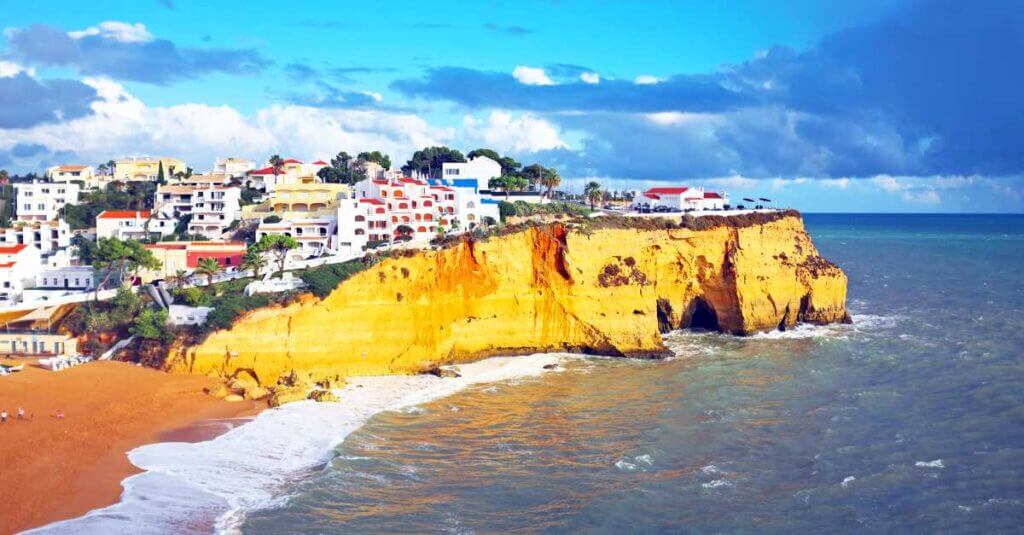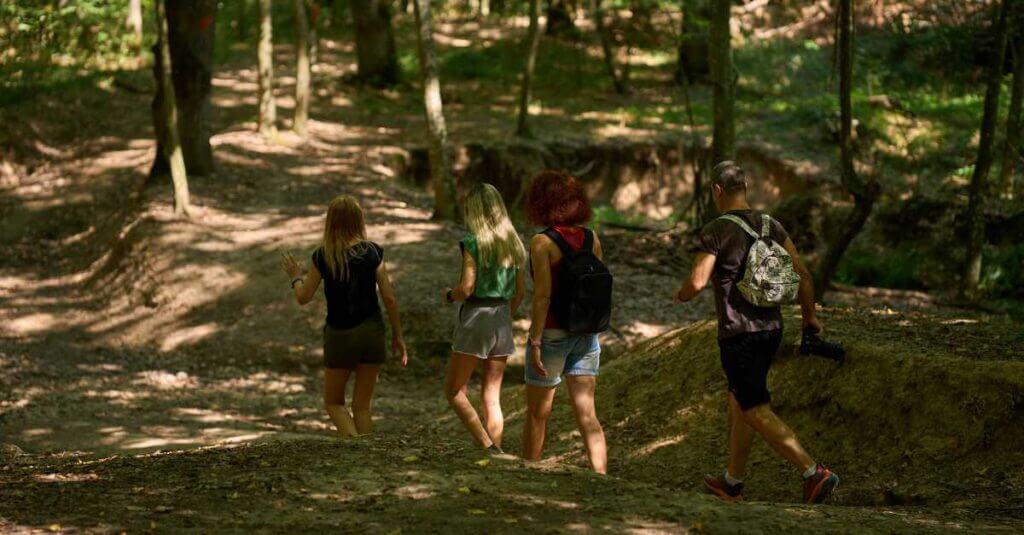
Sintra has always felt like something out of a dream — misty forests, colorful palaces on hilltops, and paths that seem to lead straight into another world. Most travelers come here for the famous Pena Palace or Quinta da Regaleira, but few realize that the true magic of Sintra lies off the main roads, deep within its quiet forest trails. These are the paths where you can hear the wind through ancient trees, see moss-covered ruins, and feel like you’ve stepped into a fairytale that belongs only to you.
While Sintra’s palaces get all the attention, the region’s trails tell a different story — one of adventure, peace, and hidden beauty. These Sintra hidden hiking trails reveal a side of Portugal that most visitors never see: natural springs tucked under ferns, panoramic viewpoints over the Atlantic, and tiny stone villages where time stands still.
Whether you’re a casual walker or a seasoned hiker, Sintra’s secret routes are full of surprises. Some wind past old monasteries, others climb rugged cliffs, and a few lead to secluded beaches where you might be the only person around.
In this guide, you’ll discover seven hidden hiking trails in Sintra that blend mystery, nature, and a touch of magic — perfect for anyone who wants to explore Portugal beyond the postcard views.
Why Sintra Is More Than Castles and Palaces
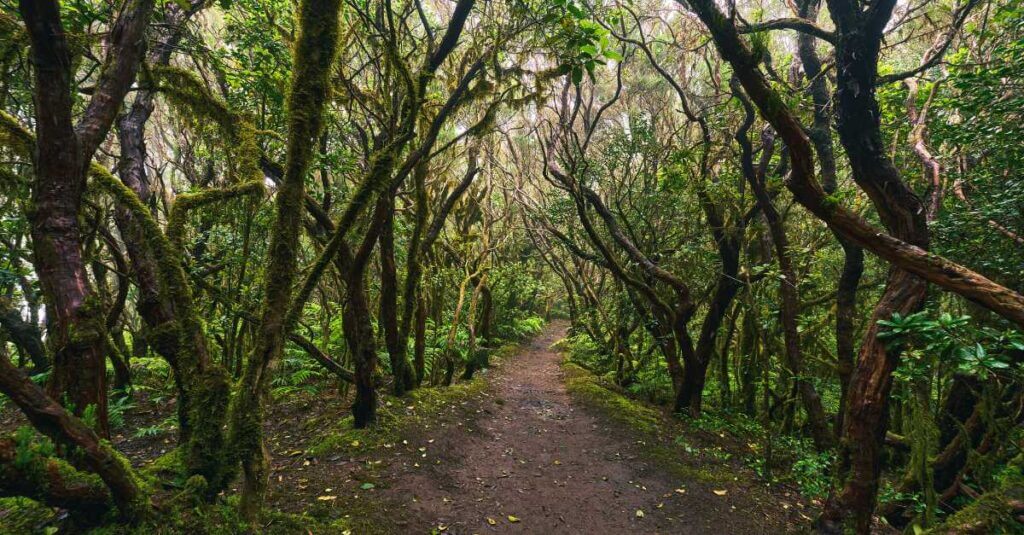
When most people think of Sintra, they picture the bright yellow towers of Pena Palace or the romantic gardens of Quinta da Regaleira. But Sintra is so much more than that — it’s a living, breathing forest kingdom filled with history, mystery, and trails that feel untouched by time. Long before Sintra became a UNESCO World Heritage site, it was considered a sacred mountain by the Celts and later a royal retreat for kings who built summer palaces in the clouds.
What makes Sintra truly special is its unique geography. Just 30 kilometers from Lisbon, the town sits between the mountains and the Atlantic Ocean, creating a rare microclimate. That’s why the area is covered in lush greenery, mist, and moss even when nearby regions are dry and sunny. This makes Sintra one of the best hiking destinations in Portugal — every path feels alive, cool, and full of discovery.
But beyond the royal gardens and tourist landmarks lies a hidden network of Sintra hikes that few people take the time to explore. These offbeat routes lead you through pine forests, stone stairways carved centuries ago, and quiet clearings where you can see both the ocean and the palaces from a distance. Many of these secret trails in Sintra are used mostly by locals, photographers, and nature lovers who prefer silence over crowds.
Exploring offbeat Sintra routes isn’t just about exercise — it’s about connection. It’s a chance to slow down, breathe in the scent of eucalyptus, and feel the same awe that inspired poets and painters for centuries. Whether you’re standing at a hidden viewpoint above the clouds or wandering through an overgrown monastery, Sintra invites you to look beyond what’s famous and discover what’s forgotten.
What to Know Before You Hike in Sintra
Before diving into the magic of the Sintra hidden hiking trails, it’s important to know a few things that will make your adventure safer, smoother, and more enjoyable. Sintra’s landscape is incredibly diverse — you can start a trail in thick forest and end it overlooking the ocean. But that same variety also means the weather can change quickly, paths can be slippery, and cell service isn’t always strong. Here’s what to keep in mind before you lace up your boots.
Getting There and Entry Points
Sintra is easily accessible from Lisbon by train, which takes around 40 minutes. Once you arrive at the Sintra train station, you’ll find several trailheads within walking distance or a short tuk-tuk or bus ride away. Popular starting points include Parque da Liberdade, Monserrate Palace, and Peninha Sanctuary. If you’re planning to explore multiple trails in one day, renting a small car gives you more flexibility, especially for reaching remote spots like Ulgueira or Adraga.
Best Time to Hike
The best months for hiking are March to June and September to November. During these periods, temperatures stay comfortable (between 15°C and 25°C), and the forest is at its greenest. Summer can be warm, but the dense canopy keeps trails shaded. Early mornings and late afternoons are perfect for avoiding crowds and enjoying the golden light filtering through the trees.
Weather and Trail Conditions
Sintra’s weather is famously unpredictable. Fog can roll in suddenly, turning the forest into a mystical scene but reducing visibility. It’s a good idea to bring a light waterproof jacket, especially from October to April. Trails can get muddy after rain, so wear sturdy, non-slip shoes.
Safety and Preparation
Even though the trails are peaceful, it’s smart to download an offline map using AllTrails, Maps.me, or Komoot before you start. Mobile signal fades in certain areas, especially deep in the woods or near the cliffs. Always carry water, a small snack, and a power bank for your phone. Sintra is safe, but some trails can be steep — go at your own pace and wear proper hiking shoes.
Parking and Public Transport
If you’re driving, note that parking around popular areas like Pena Palace fills up quickly. For less crowded trailheads, park near Peninha, Monserrate, or Praia da Adraga, where there’s usually space. Public buses also connect some routes, but they run less frequently outside the summer season.
Knowing these basics ensures that your adventure through Sintra’s forests will be fun, safe, and unforgettable. Once you’re ready, it’s time to explore the real gems — the seven trails that only the most curious travelers ever find.
7 Hidden Hiking Trails in Sintra
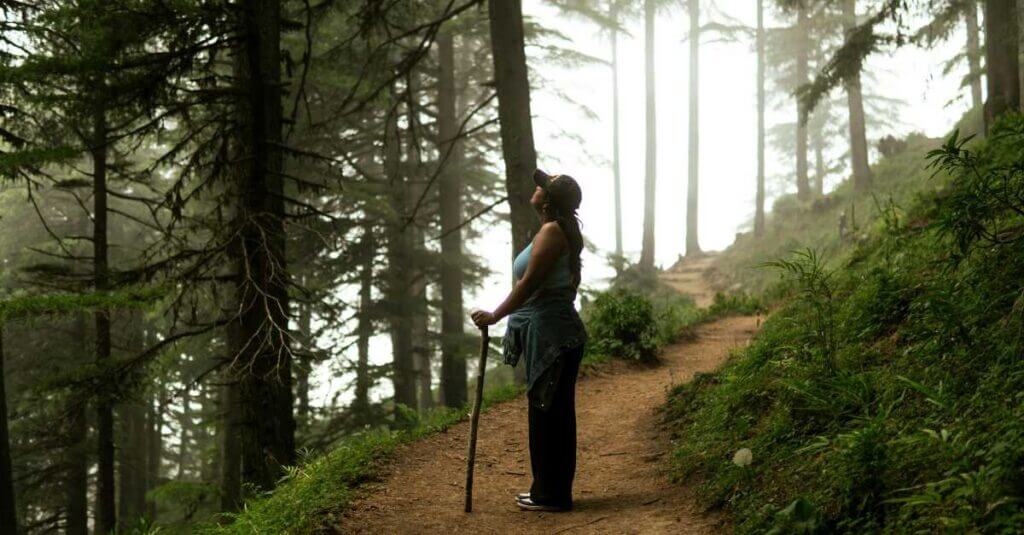
Hidden beneath Sintra’s famous palaces lies a world that many travelers never see — a network of quiet trails weaving through misty forests, rocky cliffs, and ancient ruins. Each of these paths tells a story, offering a glimpse into Portugal’s wild heart. Some are short and peaceful, others rugged and full of adventure, but all of them share one thing in common: they show a side of Sintra that remains beautifully untouched. If you’re ready to explore beyond the postcards, here are seven of the most enchanting Sintra hidden hiking trails waiting for you.
1. Vila Sassetti Forest Loop
Distance: 2.5 km round trip | Difficulty: Easy | Duration: Around 1 hour
The Vila Sassetti Forest Loop is a gentle, beginner-friendly trail that starts near Sintra’s historic center. It’s the perfect introduction to the region’s natural charm, offering a taste of Sintra’s forest magic without straying too far from the main attractions. The trail winds upward through lush gardens, small bridges, and shaded stairways that lead toward the Moorish Castle. You’ll pass the elegant Vila Sassetti mansion, surrounded by terraced stone walls and blooming flowers, a reminder of Sintra’s artistic history. The trail feels peaceful in the early morning when the mist still floats between the trees and sunlight filters softly through the canopy. It’s a wonderful walk for families, photographers, and anyone who wants to feel nature’s calm within minutes of leaving town.
2. Peninha Sanctuary Trail
Distance: 6 km round trip | Difficulty: Moderate | Duration: Around 2 hours
The Peninha Sanctuary Trail is one of Sintra’s best-kept secrets and one of the most rewarding short hikes in the entire region. Located on the western edge of the Sintra-Cascais Natural Park, this trail begins in a pine forest and climbs steadily up to the 17th-century Sanctuary of Nossa Senhora da Peninha. Perched high above the coast, the sanctuary offers some of the most breathtaking views in Portugal. On clear days, you can see the Atlantic Ocean stretching endlessly, the Cabo da Roca cliffs in the distance, and even the outline of Cascais far below. The wind carries the scent of eucalyptus and sea salt, while the silence is broken only by the occasional call of a hawk. The climb is moderate but steady, and the rocky summit can get windy, so bring a light jacket. It’s a trail that rewards patience with peace and panoramic beauty, perfect for travelers who enjoy nature and solitude.
3. Santa Maria to Moorish Castle Path
Distance: 3 km one way | Difficulty: Moderate | Duration: Around 1.5 hours
This trail connects Igreja de Santa Maria, one of Sintra’s oldest churches, to the Moorish Castle and offers a more intimate way to reach one of the town’s top landmarks. Instead of taking the busy tourist roads, this hidden route takes you through forest paths and quiet clearings that whisper stories of Sintra’s ancient past. The trail begins near the old town and winds uphill through a dense forest of oak and laurel trees. Along the way, you’ll find moss-covered stone steps, old walls wrapped in ivy, and benches where you can pause to take in views of the valley below. As you near the top, the forest opens up to reveal the castle’s ancient walls standing proudly against the sky. From the towers, you can see Pena Palace glowing in the distance and the blue shimmer of the Atlantic beyond. This hike combines history, beauty, and tranquility in one perfect route.
4. Ulgueira Coastal Path
Distance: 7 km round trip | Difficulty: Moderate | Duration: Around 2.5 hours
For travelers who love dramatic scenery and sea air, the Ulgueira Coastal Path is an unforgettable experience. Starting in the small, charming village of Ulgueira, this trail leads you through rugged coastal terrain all the way to Praia da Ursa, one of Portugal’s most striking and remote beaches. The path passes wild cliffs covered in flowers, with sweeping views of the ocean stretching endlessly ahead. You’ll walk past weathered rock formations that rise like sculptures, shaped by centuries of wind and waves. The descent toward Praia da Ursa is steep but manageable with proper shoes, and once you reach the beach, you’ll find golden sand, sea caves, and waves crashing dramatically against the rocks. This trail is ideal for those seeking solitude and adventure, offering one of the most breathtaking coastal views in all of Portugal.
5. Monserrate to Capuchos Trail
Distance: 8 km round trip | Difficulty: Moderate to Challenging | Duration: 3–4 hours
The Monserrate to Capuchos Trail perfectly blends Sintra’s natural and spiritual sides. It starts at Monserrate Palace, known for its romantic gardens filled with exotic plants, and winds deep into the forest toward the Convent of the Capuchos, a humble 16th-century monastery carved into rock. This journey feels like stepping back in time — from the luxury of Monserrate to the simple, stone-hewn silence of Capuchos. The trail passes through dense woods of cork oak, ferns, and moss-covered boulders, creating a green tunnel that feels otherworldly. You’ll cross small bridges, climb gentle slopes, and sometimes hear nothing but the sound of your footsteps and birds in the distance. Once you arrive, the ancient convent invites reflection and peace, its low ceilings and tiny doors a symbol of humility. This is one of the most meaningful Sintra hidden hiking trails, offering both challenge and calm to those who take the path.
6. Penedo Village Ridge Trail
Distance: 5 km loop | Difficulty: Moderate | Duration: Around 2 hours
Tucked high in the Sintra hills, the small village of Penedo is one of those places where time seems to stand still. The ridge trail around Penedo loops through olive groves, rocky slopes, and viewpoints overlooking valleys and the distant sea. As you walk, you’ll pass stone cottages with red-tiled roofs and locals tending to their gardens. The scent of wild herbs and flowers fills the air, and the quiet is broken only by church bells echoing through the hills. This trail is ideal for travelers who want to combine nature with local culture. After your hike, stop at a nearby tavern to enjoy a glass of wine, local cheese, and bread baked that morning. Sunset here is pure gold — the hills glow softly, and the whole world feels at peace.
7. Adraga Cliff Walk
Distance: 4 km round trip | Difficulty: Moderate | Duration: Around 1.5 hours
The Adraga Cliff Walk offers some of the most dramatic coastal scenery in Portugal. Starting near Praia da Adraga, one of the region’s most beautiful beaches, the path climbs up the cliffs that rise steeply from the ocean. As you ascend, you’ll see the waves crash far below, spraying mist into the air, and seabirds soaring over the rocky coast. The trail itself is narrow but well-marked, with several lookout points perfect for photography. From the top, the view stretches endlessly — rugged cliffs, deep-blue waters, and hidden coves that feel like secret worlds. On clear days, you can even spot Cabo da Roca, Europe’s westernmost point, in the distance. Bring water, wear good shoes, and visit in the late afternoon if you can — the sunset from here is one of the most beautiful in Sintra, painting the cliffs orange and pink as the sun sinks into the Atlantic.
Each of these trails offers something different — from forested calm to wild coastal cliffs — but all of them share Sintra’s signature magic. They remind you that this region is more than palaces and postcards; it’s a living landscape where history, nature, and mystery meet. Hiking through these paths lets you experience Sintra not as a tourist, but as an explorer following the whispers of an ancient land.
Also Read: Sintra Hiking Trails for Beginners: 7 Easy Routes with Breathtaking Views
Local Tips & Map Resources
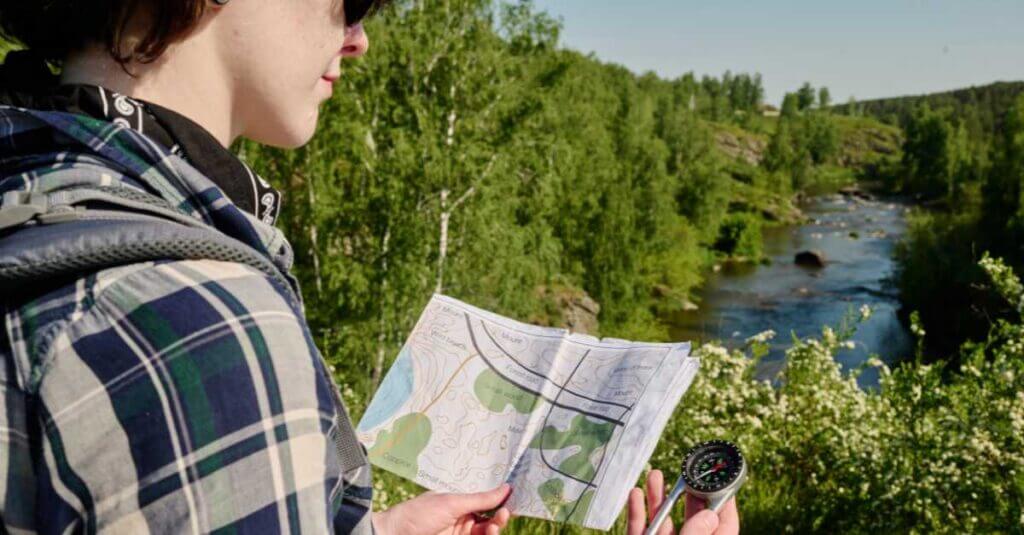
Hiking in Sintra is an unforgettable experience, but a few local insights can make your adventure smoother, safer, and more enjoyable. The Sintra hidden hiking trails can be winding, steep, or even confusing for first-time visitors, so preparation is key. With the right maps, tools, and local know-how, you can explore confidently and get the most out of every step.
1. Use Offline Trail Maps
While mobile service is decent in Sintra town, it quickly fades once you enter the forests or coastal areas. Always download offline maps before your hike using apps like AllTrails, Maps.me, or Komoot. These apps have detailed GPS routes for most trails, including lesser-known ones such as the Peninha Sanctuary Trail and Monserrate to Capuchos Trail. Make sure to zoom in and save your route before leaving your accommodation — it can be a lifesaver when fog rolls in and signs become hard to see.
2. Grab an Official Park Map
The Sintra-Cascais Natural Park Visitor Center, located near the train station, offers free paper maps and current updates about trail closures or weather warnings. These official maps include detailed contour lines, rest points, and emergency contacts. It’s a good idea to carry one even if you rely on digital tools. The park staff are also friendly and can recommend the best trails based on your time and fitness level.
3. Bring Water and Snacks
Although some routes pass near cafés or small villages, many trails go deep into the forest where there are no facilities. Bring at least 1–1.5 liters of water per person, and pack snacks like fruit, nuts, or local pastries (pastéis de nata are great energy boosters). If you plan to do longer trails such as Monserrate to Capuchos or Ulgueira Coastal Path, consider packing a small picnic — there are plenty of scenic spots to stop and eat with a view.
4. Be Mindful of the Weather
Sintra’s climate can change in minutes. A clear morning can quickly turn misty and cool by afternoon, especially around the higher trails. Always check the forecast before heading out and carry a light rain jacket or windbreaker, even on sunny days. Fog in Sintra is part of its charm, but it can also make navigation tricky, so stay aware of your surroundings.
5. Dress in Layers and Good Shoes
Because Sintra’s trails move between forest and open coast, temperatures can vary widely. Dress in layers you can easily adjust, and wear hiking shoes with strong grip. Avoid sandals or thin sneakers — some trails, especially Adraga Cliff Walk and Ulgueira Coastal Path, have uneven or rocky terrain.
6. Respect the Trails and Wildlife
Sintra’s natural park is home to deer, foxes, owls, and many rare plants. Stay on marked trails to protect the environment, and never pick flowers or disturb animals. Bring a small bag to collect your trash, and leave each place as you found it. Many trails pass through or near private land, so be respectful of gates and fences.
7. Stay Connected and Safe
Even though Sintra is generally very safe, it’s smart to let someone know your hiking plans if you’re going alone. Most trails are easy to follow, but if you ever get disoriented, simply head downhill — almost all paths eventually lead back toward the main town or a road.
By combining local knowledge with a spirit of curiosity, you’ll find that hiking in Sintra becomes more than just an outdoor activity — it’s an experience of discovery. Each map, each step, each view brings a new layer to the mystery of this magical region.
Best Time of Year for Sintra Hiking
One of the reasons hikers fall in love with Sintra is that you can explore it almost any time of the year. Thanks to its mild coastal climate and lush, evergreen forests, the region stays green and inviting even when other parts of Portugal are dry. But some seasons bring a special kind of beauty — from foggy winter mornings to golden autumn sunsets. Knowing when to go can make all the difference in how you experience these Sintra hidden hiking trails.
Spring (March to May) – The Perfect Balance
Spring is arguably the best season for hiking in Sintra. The weather is mild, with average temperatures between 15°C and 22°C, and the forest bursts to life with blooming flowers and fresh greenery. The air smells of pine and jasmine, and waterfalls are at their fullest from the winter rains. Trails like the Vila Sassetti Forest Loop and Santa Maria to Moorish Castle Path feel particularly magical during this time, with mist drifting between the trees in the morning and clear skies in the afternoon. It’s also when crowds are small and accommodation prices remain reasonable, making it ideal for travelers who prefer peace and balance.
Summer (June to August) – Warm and Lively
Summer is the busiest season in Sintra, but that doesn’t mean you should avoid it. While the main attractions get crowded, the lesser-known trails remain calm and pleasant. Temperatures can reach 30°C, but most paths, like Monserrate to Capuchos Trail, stay shaded under the dense forest canopy. If you’re planning to hike in summer, start early — around 7 or 8 a.m. — or go in the late afternoon to avoid the heat. Bring plenty of water, wear breathable clothing, and reward yourself afterward with a dip at nearby beaches such as Praia das Maçãs or Praia da Adraga.
Autumn (September to November) – Golden and Peaceful
Autumn is a dream season for hikers who love color and quiet. The weather cools to 16°C–24°C, the air feels crisp, and the forest turns shades of amber and gold. The Penedo Village Ridge Trail and Peninha Sanctuary Trail are especially beautiful at this time of year, offering clear views of the sea and countryside. It’s also the season when Sintra’s fog creates its most mysterious atmosphere, curling around the treetops and castle towers. Early morning hikes during autumn often feel like walking through a living painting.
Winter (December to February) – Misty and Mysterious
Winter in Sintra is mild compared to most European destinations, with daytime temperatures between 10°C and 16°C. While it can be rainy at times, this is also when Sintra feels its most magical. The Sintra hidden hiking trails are nearly empty, the forest is thick and green, and the mist gives the landscape a fairytale quality. Just bring waterproof gear and watch your footing on steep or slippery sections. Between hikes, you can warm up in a cozy café with a cup of galão (Portuguese coffee with milk) and a pastry. For photographers, this is the season of dramatic light and quiet beauty.
The Ideal Time to Go
If you want the best of everything — good weather, quiet paths, and full greenery — visit in April, May, October, or early November. These months give you the comfort of mild temperatures and the freedom to enjoy Sintra’s landscapes without rush. But honestly, there’s never a bad time to explore these trails. Each season transforms the mountains in its own way, and no matter when you visit, Sintra will find a way to enchant you.
FAQs About Hiking in Sintra
1. Are Sintra hikes free?
Yes, most of the Sintra hidden hiking trails are completely free to access. You only need to pay entry fees if you plan to visit certain landmarks along the way, such as palaces or gardens like Monserrate or Quinta da Regaleira.
2. Do I need a guide to hike in Sintra?
No, you don’t need a guide for most trails. The paths are well-marked and easy to follow using offline apps like AllTrails or Maps.me. However, if you’re short on time or want to learn about local history and nature, guided tours can enhance the experience.
3. How safe are the trails?
Sintra is one of the safest hiking regions in Portugal. The trails are well-traveled by locals and nature lovers. Just be cautious after rain, as some forest paths can be slippery, and always carry a phone or map in case of fog.
4. Can kids hike in Sintra?
Absolutely. Family-friendly options include the Vila Sassetti Forest Loop and the Santa Maria to Moorish Castle Path, both of which are short and easy to follow. Always pack snacks, water, and a light jacket for younger hikers.
5. What’s the best app or map for Sintra hiking?
AllTrails, Maps.me, and Komoot are excellent options. They work offline, show trail difficulty, and include real-time GPS tracking. Download your chosen route before you start since the signal can be weak deep in the forest.
6. Are the trails open year-round?
Yes, the trails in Sintra-Cascais Natural Park are open all year. Just check the weather during winter or rainy days, as some areas may be muddy or temporarily closed for maintenance.
7. Is it possible to hike from Sintra to the beach?
Yes. Trails like the Ulgueira Coastal Path or routes toward Praia da Adraga lead directly to the coast. It’s an amazing way to combine forest hiking with ocean views, but make sure to start early and bring plenty of water.
Conclusion – Explore Sintra Beyond the Palaces
Sintra is one of those rare places that feels alive — a blend of mist, forest, and fairytale energy that seems to whisper stories at every turn. Most travelers come for the palaces, but the real soul of Sintra hides in its trails. The Sintra hidden hiking trails reveal something that photos of Pena Palace can’t capture: the silence of the forest after rain, the ocean glimmering far below the cliffs, and the sense of peace that comes when you wander without a plan.
Each path in Sintra tells a different story. Some, like the Vila Sassetti Forest Loop, invite beginners into the calm of nature without leaving town. Others, like the Ulgueira Coastal Path or Monserrate to Capuchos Trail, demand a little more effort but reward you with views and moments you’ll remember forever. The smell of pine, the sound of wind in the trees, and the sight of sunlight breaking through fog make every step feel special.
Hiking here isn’t just about exercise — it’s a way to see Portugal in its most natural and poetic form. It’s about slowing down, feeling the rhythm of the land, and realizing that beauty doesn’t always come with tickets or crowds. It lives quietly in the spaces between — in a hidden waterfall, a quiet chapel, a narrow stone path no one else is walking.
So next time you visit Sintra, skip the queues for a day and follow the sound of the forest instead. Pack water, a good pair of shoes, and a sense of wonder — because once you discover Sintra beyond the palaces, you’ll never see it the same way again.