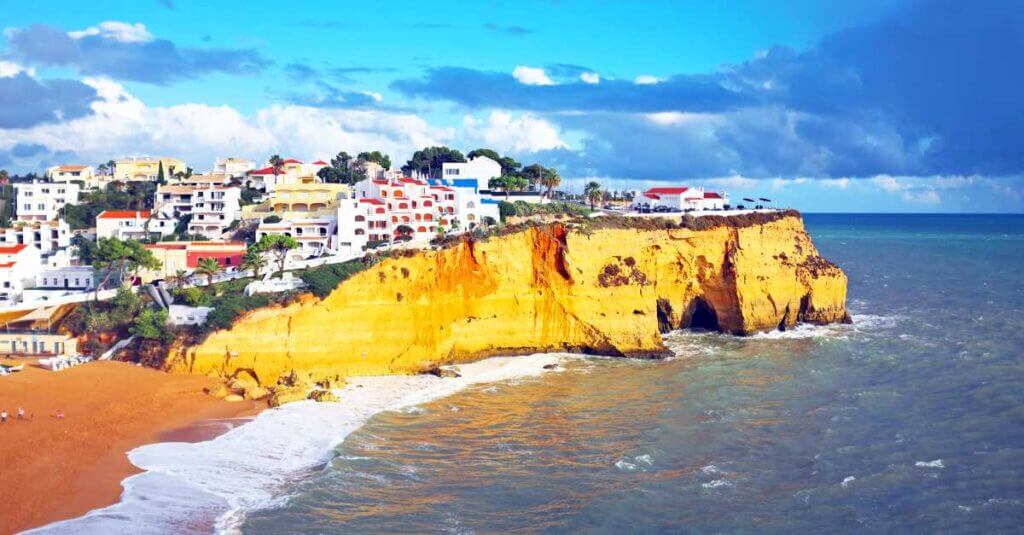
No car? No stress. Portugal is one of those rare countries where you can explore almost everything without needing to drive. From the sunny Algarve coast to the green hills of the north, trains and buses connect nearly every town and attraction you can imagine. Whether you’re a visitor planning your first trip or a local looking for new weekend escapes, traveling by public transport in Portugal can be easy, cheap, and surprisingly fun.
Think about it — no parking problems, no expensive fuel, no tolls, and no getting lost on narrow roads. You just sit back, enjoy the view, and let someone else do the driving. Plus, you get to see Portugal from a whole new angle — small villages between train stops, locals chatting on buses, and endless views of rivers, cliffs, and vineyards.
In this post, you’ll find everything you need to plan a Portugal itinerary without car — step-by-step routes, travel times, estimated ticket prices, and helpful tips for each region. Whether you want a quick day trip from Lisbon or a week-long adventure from Porto to the Douro Valley, these 10 scenic train and bus itineraries will help you explore Portugal the smart, easy, and eco-friendly way.
Why Travel Portugal Without a Car
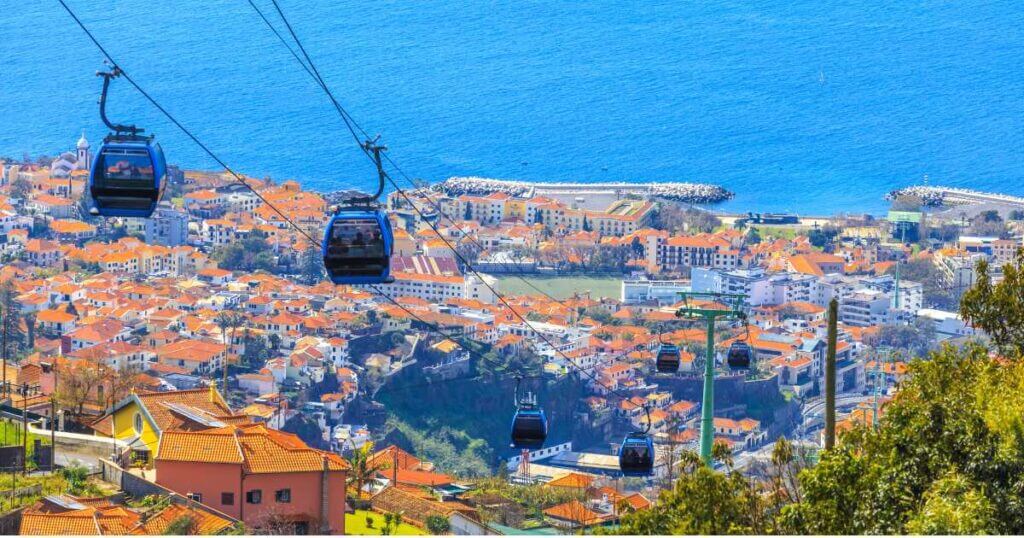
Traveling around Portugal without a car comes with more benefits than most people expect. It’s cheaper, easier, and often faster than driving, especially when you’re visiting popular cities like Lisbon, Porto, or Coimbra. Trains and buses in Portugal are clean, comfortable, and reliable, making them perfect for both locals and visitors who prefer stress-free trips.
One of the biggest advantages is cost. Renting a car can quickly add up once you include insurance, fuel, tolls, and parking. A single train or bus ticket, on the other hand, often costs less than a full tank of fuel and gets you directly into the heart of each town. You can travel from Lisbon to Porto for around €30 by train or even less by bus. That’s money you can save for food, museums, or a cozy local stay.
There’s also the peace of mind. No GPS stress, no hunting for parking spots, and no worries about narrow village roads. You can relax, enjoy the view, and even take a nap while traveling. It’s also a more eco-friendly way to explore. Choosing trains and buses reduces carbon emissions and supports sustainable travel, which many locals and visitors now prefer.
Many travelers are surprised by how connected Portugal really is. From big cities to remote coastal towns, public transport runs smoothly across the country. During my own trips, I found that the train network covers most must-see areas, and buses fill in the rest. Even reaching small hidden villages becomes easy once you know the routes and timings.
So, whether you’re a local planning a short weekend trip or a tourist visiting for the first time, traveling without a car in Portugal gives you freedom, comfort, and a real sense of discovery.
How to Plan a Car-Free Itinerary
Planning a Portugal itinerary without car is much simpler than it sounds once you know which tools and routes to use. Whether you’re visiting for a week or exploring slowly over a month, a little preparation goes a long way in saving money, time, and confusion. The key is to combine trains, intercity buses, and local transport in a smooth, step-by-step plan that keeps your trip flexible but organized.
The first thing to do is check the official transport websites. For trains, the main one is CP.pt (Comboios de Portugal). It lists all routes, prices, and schedules for national, regional, and urban trains. You can book online or through their app, and it’s easy to find seats even on short notice. For long-distance buses, the main company is Rede Expressos, which connects nearly every town and city. Both websites are available in English, and they’re updated daily, so you always get the latest times.
When planning your route, think in clusters. Portugal’s public transport works best when you travel within regions — for example, the Lisbon area (Lisbon, Sintra, Cascais, Setúbal), the north (Porto, Braga, Guimarães, Douro Valley), and the south (Faro, Tavira, Lagos). This approach helps you avoid long travel times and makes it easier to base yourself in one city while exploring nearby spots with day trips.
Apps like Rome2Rio or Google Maps are also extremely helpful. They show exact train and bus connections, total travel times, and even walking distances between stations. Another useful site is OMIO, which compares tickets from different companies, so you can choose the cheapest or fastest option.
If you’re planning to use trains often, look into passes and discount cards. The Interrail Portugal Pass is ideal for visitors from Europe who want unlimited travel for a set number of days. Locals can benefit from regional passes that offer discounts for frequent routes, such as Lisbon to Sintra or Porto to Aveiro.
Booking in advance isn’t always required, but it’s smart to do so for long routes like Lisbon to Porto or Porto to Faro. Buying tickets early can save up to 40%. On shorter trips, you can usually just buy at the station or pay directly on the bus.
Don’t forget about travel timing. Trains and buses generally run on time, but rural routes can have fewer services, especially on weekends. Always double-check the return schedule before you leave for smaller towns.
Lastly, plan your luggage wisely. Since you’ll be moving between trains and buses, carry a light backpack or suitcase with wheels. Pack refillable water bottles, power banks, and offline maps in case the internet signal drops in remote areas.
With these simple steps, your trip will feel smooth, organized, and completely stress-free.
10 Scenic Car-Free Itineraries by Train & Bus
Traveling through Portugal without a car opens the door to a slower, more peaceful kind of adventure. You get to see how locals live, enjoy every landscape, and skip the stress of driving. These ten scenic routes are some of the best ways to explore the country—from charming villages to dramatic coastlines—all by train or bus. Each one includes tips, travel times, and reasons why it’s worth adding to your plan.
1. Lisbon → Sintra → Azenhas do Mar
Type: Day Trip | Transport: Train + Local Bus | Cost: €7–€10 total
Start from Lisbon’s Rossio Station and hop on the train to Sintra. The ride takes about 40 minutes, but the view of rolling hills and pastel-colored houses makes time fly. Sintra itself feels like a fairytale — filled with misty forests, castles, and tiled mansions. Visit the colorful Pena Palace, the mysterious Quinta da Regaleira, and stroll through the town’s narrow streets for a taste of local pastry called travesseiro.
From Sintra, catch the Scotturb Bus 441 or 440 to Azenhas do Mar, a small cliffside village overlooking the Atlantic. The bus winds through small coastal roads, and once you arrive, you’ll see white houses sitting dramatically above the sea. There’s even a natural swimming pool carved into the rocks. It’s one of the most peaceful places near Lisbon — a perfect mix of nature and simplicity.
2. Porto → Douro Valley → Pinhão
Type: Day Trip or Overnight | Transport: Train | Cost: €12–€25 round trip
From Porto’s São Bento Station, take the famous Linha do Douro train toward Pinhão. This journey is legendary — the train hugs the riverbank for nearly three hours, passing steep vineyards, stone bridges, and sleepy villages. Sit on the right side for the best views.
In Pinhão, everything slows down. Walk to the riverside, visit one of the local wine estates, or take a short Douro River cruise to see how deep and peaceful the valley really is. If you have time, stay overnight at a vineyard house and watch the sunset over the terraced hills — it’s one of the most magical experiences in Portugal.
3. Coimbra → Tomar → Fátima
Type: Full Day | Transport: Train + Bus | Cost: Around €15
Leave Coimbra by regional train toward Tomar, a small but impressive town known for its Convent of Christ, once home to the Knights Templar. The architecture and the calm atmosphere make it a must-see for history lovers. After exploring Tomar’s cobbled streets, take a local bus to Fátima, one of the most important pilgrimage sites in Europe.
Even if you’re not religious, the place has a quiet beauty. Thousands of candles light up the square in the evenings, and the air feels deeply peaceful. From Fátima, you can return to Coimbra or continue toward Lisbon, depending on your travel plan.
4. Lisbon → Setúbal → Arrábida
Type: Day Trip | Transport: Train + Bus | Cost: €10–€15 total
Take the Fertagus train from Lisbon (Campolide or Entrecampos Station) to Setúbal. The train crosses the 25 de Abril Bridge, offering one of the best views of the Tagus River. In Setúbal, visit the Mercado do Livramento, one of Portugal’s most colorful markets filled with fish, fruits, and flowers.
From there, take a short bus or taxi ride to Arrábida Natural Park. This area is pure paradise — green hills falling into turquoise bays, white-sand beaches, and sea cliffs that look like postcards. You can swim at Praia da Figueirinha or hike to one of the viewpoints. It’s hard to believe such beauty is less than an hour away from the capital.
5. Faro → Tavira → Vila Real de Santo António
Type: Half or Full Day | Transport: Regional Train | Cost: €7–€10 total
The Algarve isn’t just beaches and resorts — it’s full of charming coastal towns easily reached by train. Start in Faro and ride east toward Tavira. The trip is only 40 minutes, but Tavira feels worlds away from the busy city. Walk across the old Roman bridge, explore the castle walls, and enjoy a quiet lunch at a riverside café.
Continue the same train line to Vila Real de Santo António, right next to the Spanish border. It’s a calm, sunlit town with palm-lined streets and friendly locals. You can even cross the river to Spain by ferry in just ten minutes. For those who love discovering quiet, sunny corners, this route is perfect.
6. Braga → Guimarães → Barcelos
Type: Day Trip | Transport: Train | Cost: Around €10 total
Start your day in Braga, one of Portugal’s oldest cities, known for its cathedrals and historic squares. Take a short train ride to Guimarães, a UNESCO World Heritage site often called the “birthplace of Portugal.” Walk through its medieval streets, climb the castle towers, and take the cable car up to Penha Hill for wide views of the city.
From Guimarães, continue by train to Barcelos, home of the colorful Portuguese rooster symbol. If you visit on a Thursday, you’ll catch the famous Barcelos market, one of the oldest and liveliest in the country. It’s a true taste of northern Portuguese life — full of crafts, laughter, and local food.
7. Aveiro → Costa Nova
Type: Half Day | Transport: Train + Local Bus | Cost: €6–€8 total
Aveiro is often called the “Venice of Portugal” for its canals and charming boats. From the train station, take a short local bus to Costa Nova, a beachside village known for its striped colorful houses. The sight of red, blue, and yellow wooden homes against the ocean makes it one of Portugal’s most photographed spots.
Spend time walking along the beach, watch surfers, and try fresh grilled fish at a seaside café. Then head back to Aveiro to take a relaxing gondola-style ride called a moliceiro through the canals. It’s simple, beautiful, and peaceful — the kind of day that stays with you.
8. Évora → Monsaraz
Type: Full Day | Transport: Bus | Cost: €12–€15
From Évora, take a Rede Expressos bus to Reguengos de Monsaraz, then a short local bus or taxi to Monsaraz village. This medieval hilltop town feels frozen in time, with cobblestone streets and whitewashed houses surrounded by ancient walls. From the top, you can see the vast blue Alqueva Lake, one of Europe’s largest artificial lakes.
Many travelers describe Monsaraz as one of the most peaceful places in Portugal. The views at sunset are breathtaking, and the quietness of the village makes it ideal for reflection and photography.
9. Lisbon → Óbidos → Nazaré
Type: Full Day | Transport: Bus | Cost: €20–€25 total
From Lisbon’s Campo Grande station, take a Rede Expressos bus to Óbidos, a small medieval town surrounded by castle walls. Every corner feels like a fairytale — from the narrow streets lined with flowers to the local ginginha (cherry liquor) served in chocolate cups. After exploring, take another bus to Nazaré, the beach town famous for its massive waves.
Walk to the cliffs at Sítio da Nazaré for one of the best coastal views in Portugal. It’s the perfect way to end the day — watching the ocean crash below as the sun sets behind the horizon.
10. Porto → Viana do Castelo → Caminha
Type: Full Day | Transport: Train | Cost: Around €15 total
Begin your journey from Porto Campanhã Station and take the coastal train north. The route passes rivers, villages, and ocean views almost the entire way. Stop at Viana do Castelo, a charming city where you can visit the Santa Luzia Basilica, sitting high above with panoramic views of both sea and mountains.
Then continue by train to Caminha, a quiet town near the Spanish border. The beaches here are peaceful and perfect for a calm walk or picnic. It’s one of those trips that feels simple but deeply rewarding — no rush, no noise, just the sound of waves and the beauty of northern Portugal.
These ten routes show that exploring Portugal without a car is not just possible — it’s one of the best ways to truly feel the country. You’ll see how life moves slower, how locals travel, and how easy it is to fall in love with the views outside every train or bus window.
Ticket Prices and Pass Options

Traveling across Portugal by train and bus is not only simple — it’s surprisingly affordable. Prices are clear, booking is easy, and there are several passes and discounts that can save you even more. Here’s a detailed look at what you can expect to pay, how to book, and which options give the best value whether you’re a local or a visitor.
Average Ticket Prices
Portugal’s public transport system is designed to be accessible to everyone, so ticket prices are much lower compared to driving or renting a car. Below is an overview of average costs you’ll find when traveling between major cities or taking regional routes:
| Route | Transport Type | Average Cost (One-Way) | Duration | Notes |
|---|---|---|---|---|
| Lisbon → Porto | Train (Intercidades) | €25–€33 | 3 hrs | Book early for discounts up to 40% |
| Lisbon → Sintra | Suburban Train | €2.50 | 40 mins | Trains run every 20 minutes |
| Porto → Douro Valley (Pinhão) | Regional Train | €12–€14 | 2.5–3 hrs | One of Portugal’s most scenic routes |
| Faro → Tavira | Regional Train | €4 | 40 mins | Frequent departures daily |
| Coimbra → Tomar | Regional Train | €6–€8 | 1 hr 15 mins | Connect to bus for Fátima |
| Lisbon → Setúbal | Fertagus Train | €5–€6 | 50 mins | Crosses the 25 de Abril Bridge |
| Lisbon → Óbidos | Bus (Rede Expressos) | €10 | 1 hr 20 mins | Direct route, very comfortable |
Most trains and buses have comfortable seats, air conditioning, and free Wi-Fi. Trains often offer both second class (Turística) and first class (Conforto) tickets, though second class is already very good for short and medium distances.
Where to Book and How to Pay
You can buy tickets in three easy ways:
- Online: The official train website CP.pt and bus site Rede-Expressos.pt are the most reliable sources. Both have English versions.
- Apps: Download the CP or Rede Expressos apps to check schedules, book, and show your e-ticket on your phone.
- At the Station: You can still buy tickets from machines or ticket counters. Payment by card is accepted almost everywhere.
For small local buses or short regional trains, you can sometimes buy directly on board, but it’s always safer to have a ticket in advance during weekends or holidays.
Discount Cards and Pass Options
If you plan to travel often, especially over several days, using a pass can save you money.
- Interrail Portugal Pass: Perfect for visitors from Europe. You can choose 3, 4, 5, 6, or 8 travel days within a month, starting from around €100. It covers almost all trains (except some high-speed Alfa Pendular services).
- Regional Passes (CP Comboios): These are great for locals. For example, Lisbon’s regional train zone pass covers routes to Sintra, Cascais, and Setúbal for one monthly price.
- Youth, Senior, and Family Discounts: Travelers under 25 or over 65 get up to 25% off. Families traveling together can also save with special weekend offers.
- Comboios Discount Cards: The Cartão Jovem and Cartão Sénior give permanent discounts for train rides.
- Bus Passes: Some regional bus networks, especially in the Algarve and northern Portugal, offer day passes for unlimited rides starting at around €10.
Also Read: Scenic Train Rides Portugal: The Most Beautiful Rail Journeys Few Tourists Know
Best Time to Book
For intercity routes like Lisbon–Porto or Porto–Faro, book at least 5–8 days in advance to get the cheapest fares. Prices can drop by nearly 40% when purchased early. Local and regional trains, however, have fixed prices, so you can buy them on the day without worrying.
Pro Tip for Travelers
Always keep your ticket handy after boarding — inspectors regularly check tickets mid-journey, especially on regional and long-distance trains. Also, check the return times before setting out on day trips, since some rural routes only run a few times per day.
Traveling by train and bus in Portugal isn’t just cheaper — it also helps you meet locals, discover small towns, and travel with less stress. Once you try it, you’ll see how effortless it feels to move across the country this way.
Packing and Travel Tips for Car-Free Trips
Exploring Portugal without a car means you’ll be moving around by train, bus, and sometimes on foot — so packing smartly makes a huge difference. A well-planned bag and a few travel habits will make your journey smoother, lighter, and much more enjoyable. Here’s everything you need to know before you set off on your Portugal itinerary without car.
Pack Light and Smart
When you’re traveling by public transport, less is always more. A medium-sized backpack or a small rolling suitcase is perfect. Most trains and buses have overhead shelves and luggage spaces, but large suitcases can be uncomfortable to carry around stations. Choose lightweight clothing that you can mix and match easily — Portugal’s weather is mild, so you won’t need too many layers.
Don’t forget:
- Comfortable walking shoes: You’ll walk a lot, especially in old towns with cobblestone streets.
- Reusable water bottle: Tap water is safe to drink everywhere, and refilling saves money.
- Power bank and adapter: To keep your phone and devices charged on long rides.
- Foldable tote or small daypack: Handy for daily use when exploring each stop.
If you plan to swim or visit beaches (and you probably will), pack a small microfiber towel and quick-drying clothes.
Keep Important Items Handy
Carry your ID, train or bus tickets, and payment cards in a small pouch or waist bag you can easily access. Many stations have quick ticket checks before boarding. It’s also a good idea to keep a bit of cash — smaller towns sometimes prefer it for local buses or small cafes.
Use the Right Travel Apps
Several apps make car-free travel in Portugal simple:
- CP.pt App: For train schedules and online tickets.
- Rede Expressos App: For long-distance bus routes.
- Rome2Rio or Google Maps: To check connections and plan routes.
- Moovit: For local city buses and metro systems.
Download offline maps from Google Maps before traveling to rural areas, where mobile signal can be weak.
Be Flexible with Time
Portugal runs on a relaxed rhythm, especially outside the big cities. Trains and buses are usually punctual, but it’s wise to leave some breathing room between connections. If you miss one, there’s almost always another within an hour. Embrace the slower pace — it’s part of the charm.
Dress for the Season
Portugal’s climate varies from region to region. In summer, pack light and breathable clothes plus sunscreen, sunglasses, and a hat. In winter, the south stays mild while the north and central areas can get cooler and rainy, so bring a light jacket or umbrella.
Plan Snacks and Breaks
Most stations have small cafes where you can grab sandwiches, pastries, and coffee, but it’s smart to carry some snacks or fruit. On longer rides, especially through rural areas, options can be limited. Don’t miss the chance to try pastel de nata, the country’s famous custard tart, found in nearly every station bakery.
Safety and Comfort
Portugal is one of the safest countries in Europe, but like anywhere, it’s good to stay alert in crowded areas. Keep an eye on your bag, especially in big stations like Lisbon’s Oriente or Porto’s Campanhã. When traveling late, try to sit in carriages with other passengers or near the front of the bus.
Local Etiquette
Portuguese people are kind and helpful. A smile or a polite “Olá” (hello) goes a long way. If you ever get confused about a route or stop, don’t hesitate to ask — locals are often happy to help and may even walk you to the right platform.
Eco-Friendly Mindset
One of the best parts about traveling without a car is reducing your carbon footprint. Use reusable bottles, avoid single-use plastics, and take your trash with you when exploring nature spots like Arrábida or Douro Valley. Small actions like these help keep Portugal’s landscapes beautiful.
Packing light, staying flexible, and keeping a curious heart are the real secrets to a successful car-free trip in Portugal. Once you get used to this slower, simpler style of travel, you’ll realize how freeing it truly is.
FAQs
Here are some of the most common questions travelers ask when planning a Portugal itinerary without car. Each answer is short, clear, and based on real travel experience to help both locals and visitors make confident travel choices.
1. Is Portugal easy to travel without a car?
Yes, Portugal is one of the easiest countries in Europe to explore without driving. Its train and bus networks are reliable, clean, and affordable. You can reach almost every major city and most small towns using public transport.
2. What is the best way to travel between cities in Portugal?
For long distances, trains are the best option — especially routes like Lisbon to Porto or Lisbon to Faro. They’re fast, comfortable, and scenic. For smaller towns or coastal areas not served by trains, buses fill the gaps perfectly.
3. Are trains and buses in Portugal reliable?
Absolutely. Trains and buses usually run on time and have frequent departures. The only exception might be in remote villages where service can be less frequent, so it’s wise to check schedules in advance.
4. Do I need to buy train or bus tickets in advance?
For long-distance routes, yes — especially popular lines such as Lisbon–Porto or Porto–Faro. Buying early can save you up to 40%. For short regional trips, you can usually buy tickets on the day without any problem.
5. Can I use one pass for both trains and buses?
Not usually. Train passes like Interrail or CP passes work only for train routes. For buses, each company has its own tickets or passes. However, both systems are affordable, and you can easily mix them in your trip.
6. How safe is public transport in Portugal?
Very safe. Portugal is known for being calm and friendly. Just use normal travel awareness — keep your bag close in busy stations and don’t leave valuables unattended.
7. How can I find the best travel times and connections?
Use the CP.pt website for trains and Rede-Expressos.pt for buses. Apps like Google Maps or Rome2Rio are great for checking route times, transfers, and walking distances between stations.
8. What’s the cheapest way to travel around Portugal?
Regional trains and buses are extremely cheap. If you travel between major cities often, use early booking discounts or get a multi-day pass. For shorter local trips, single tickets are still budget-friendly.
9. Are there any places in Portugal hard to reach without a car?
A few remote mountain villages or isolated beaches can be tricky, but most popular destinations are well connected. If you want to visit hidden spots like Serra da Estrela or wild beaches in Alentejo, consider joining a local tour or renting a bike.
10. Can I bring luggage on trains and buses?
Yes. Most trains have overhead racks and luggage sections near the doors. Buses also have space below the cabin for larger suitcases. There’s no extra charge for normal baggage.
Traveling around Portugal without a car isn’t just possible — it’s one of the best ways to experience the country’s real beauty and rhythm. With these simple answers in mind, you’re ready to plan a trip that’s smooth, budget-friendly, and full of adventure.
Also Read: Budget Itinerary for Portugal: 7-Day Trip Through Small Towns
Conclusion
Traveling through Portugal without a car is more than just a convenient choice — it’s a way to see the country as it truly is. Every train ride, every bus journey, and every walk between small-town stations shows a side of Portugal that most tourists never experience. You see how locals live, how landscapes change from vineyards to cliffs, and how calm and welcoming the country feels once you slow down.
With this Portugal itinerary without car, you can move from Lisbon’s city life to the peaceful Douro Valley, from sunny beaches in the Algarve to quiet mountain villages in the north — all without worrying about parking, fuel costs, or road maps. It’s easy, affordable, and surprisingly relaxing.
Going car-free doesn’t mean losing freedom. It means gaining time — time to read by the window, chat with locals, and enjoy moments that driving would rush you past. Portugal’s transport system makes it possible to travel comfortably and independently, whether you’re planning a one-day trip or a full country adventure.
So, pack your bag, grab your ticket, and step aboard. Portugal’s scenic routes are waiting — and you’ll soon see that the best way to explore this beautiful country is simply to let it carry you.