This page provides evidence-based safety information for tourists visiting Portugal, including crime statistics, documented scam operations, regional risk variations, and practical security measures. It serves as a decision-support reference for travelers assessing safety conditions.
Quick Overview: Portugal Safety Profile
| Safety Metric | Data | Context |
|---|---|---|
| Global Peace Index Ranking (2024) | 7th globally, 2nd in Europe | Behind Iceland; ahead of Austria, Ireland, Netherlands |
| Overall Crime Rate (2024) | 33 crimes per 1,000 inhabitants | 4.6% decrease from 2023 |
| Violent Crime Incidents (2024) | 14,385 cases (2.6% increase) | Represents 4% of total crimes |
| Murder Rate | 0.7 per 100,000 population | Among lowest in Europe |
| Most Common Tourist-Related Crime | Pickpocketing and bag theft | 12% increase in 2024 |
| Gallup Safety Perception (2023) | 83% feel safe walking alone at night | Above EU average |
| Robbery Rate (2019 Eurostat) | 106 per 100,000 inhabitants | 4th highest in EU (after UK, Spain, Belgium) |
| Tourist-Specific Risk Areas | Lisbon tourist zones, Porto Ribeira, Algarve beaches | Primarily non-violent property crime |
| Emergency Response Number | 112 (EU standard) | Free from any phone; English-speaking operators |
Crime Statistics and Trends
National Crime Data (2024)
According to Portugal’s Annual Internal Security Report (RASI), general crime decreased 4.6% in 2024 to 354,878 reported incidents, while violent and serious crime increased 2.6% to 14,385 cases.
Most Reported Crime Categories (2024):
- Theft of unguarded objects: 11,234 cases
- Payment card fraud: 10,386 cases
- Commercial building theft: 8,279 cases
- Residential burglary: 8,237 cases
- Vehicle theft: 8,189 cases
- Assault: 48,572 cases total
Violent Crime Context
Portugal maintains a murder rate of 0.7 per 100,000 people. In 2021, 85 murders were registered nationwide, with regional variations: 0.5 per 100,000 in Northern Portugal, 1.4 in Algarve, 0.0 in Madeira.
Violent crime remains well below the European Union average. Most reported offenses are non-violent and opportunistic.
Tourist-Specific Crime Patterns
Pickpockets and purse snatchers operate in crowded tourist sites, restaurants, transportation hubs, and on public transportation, especially within Lisbon and Porto metropolitan areas.
Pickpocketing incidents rose 12% in 2024. Thieves operate in crowded areas where distraction is easy, particularly during peak travel hours.
Regional Safety Variations
Lisbon
Crime Profile: Moderate risk for petty theft; low risk for violent crime.
High-Risk Locations:
- Alfama district (tourist density)
- Bairro Alto (nightlife area)
- Tram 28 route (pickpocketing operations)
- Rossio Square
- Santa Apolónia train station
- Belém tourist area
Lower-Risk Neighborhoods to Avoid After Dark:
- Martim Moniz (higher crime reports)
- Intendente (historically higher crime)
- Some areas of Mouraria
According to the 2024 Annual Internal Security Report, Lisbon’s crime rates decreased 7.6% over the past year.
Sintra and Cascais: Theft is widespread in Greater Lisbon tourist destinations including Sintra, Cascais, and Mafra.
Porto
Crime Profile: Moderate to higher risk compared to Lisbon in some metrics.
High-Risk Areas:
- Ribeira district (tourist concentration)
- Metro stations
- Santa Catarina area
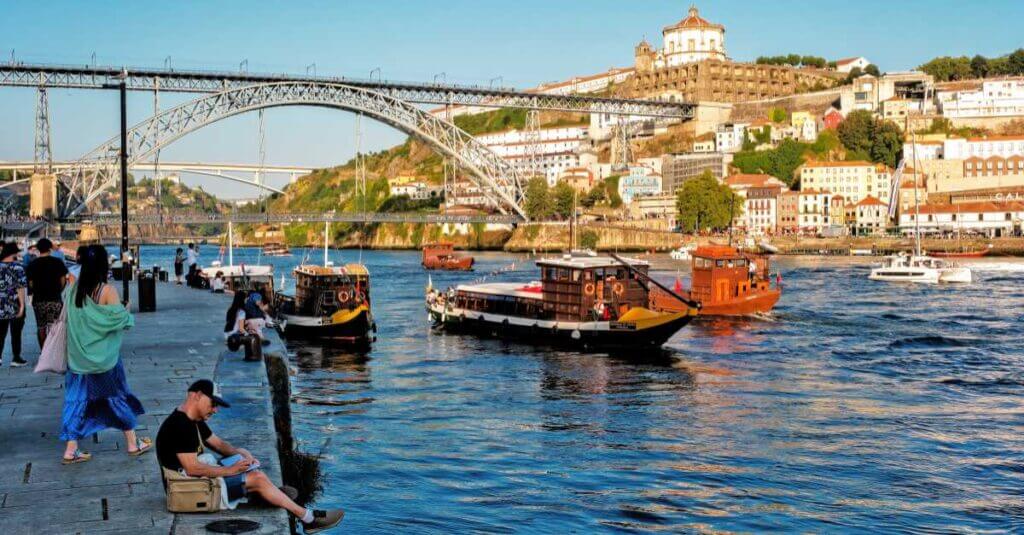
- Dom Luís I Bridge (distraction scams)
Area to Exercise Caution:
- Pasteleira neighborhood (after dark)
Specific Issue: Porto’s crime index reportedly exceeds Lisbon’s for certain categories, with theft and scams targeting tourists.
Algarve Region
Crime Profile: Low to moderate; seasonal variation.
As a major international tourism center, the Algarve has noted growing cases related to drug trafficking. Pickpockets and petty criminals exist in moderate numbers.
High-Risk Periods: Summer season (June-September) when tourism peaks.
Common Issues:
- Vehicle break-ins at beach parking areas
- Theft from unattended beach belongings
- Targeting of rental cars
Safest Algarve Location: Tavira consistently reported as having lowest crime rates in region.
Higher-Risk Towns: Albufeira, Lagos (nightlife-related incidents).
Islands
Madeira: Pickpocketing, while infrequent, may occur in Funchal areas including Pico do Arieiro, Mercado dos Lavradores, Zona Velha near cable car, and Old Town.
Crime rates significantly lower than mainland Portugal.
Azores: Pickpocketing and purse snatching are not common occurrences. Organized crime is mostly centered around drug trafficking.
Minimal tourist-targeting crime.
Smaller Cities
Coimbra, Braga, Évora, and other interior cities maintain lower crime rates than Lisbon and Porto. Coimbra’s crime index is among the lowest in Portugal.
Documented Scams Targeting Tourists
Restaurant Billing Scams
Couvert Charges (Widespread, Not Technically Scam): Waiters automatically serve appetizers like olives, bread, butter, and cheese. In Portugal, customers pay around €2-€3 for these items.
Tourists often assume these are complimentary. They are not.
Mitigation: Politely decline if unwanted before consuming.
Extreme Pricing Scam: Restaurant Made in Correeiros (Rua dos Correeiros, Lisbon) does not include prices for drinks or daily specials on menus. Reports document charges exceeding €50 for beer and €250 for seafood platters.
Business changes names periodically. Reportedly operated by former Tram 28 pickpocket.
Mitigation: Always verify menu includes complete pricing before ordering.
Taxi Overcharging
Common Schemes:
- Driver proposes fixed fare instead of meter (claims it’s cheaper)
- “Forgetting” to activate meter
- Circuitous routing
- Claiming non-existent luggage surcharges
Prevalence: Reported across all major cities but not majority of taxi operations.
Mitigation: Insist on meter activation; use ride-sharing apps (Uber, Bolt available in major cities).
Street Vendor and Distraction Scams
Fortune-Telling Scam: Roma women offer rosemary sprigs, grab hands, tell fortunes without consent, then demand payment. May create public scene if refused.
Petition Scam: Individuals approach with charity petitions requesting signatures. Distraction technique while accomplice pickpockets.
“Slip and Fall” Scam: Elderly person deliberately falls into tourist on public transport. Physical contact used to access wallets, phones, watches.
Bridge Jumping Scam (Porto-Specific): Young men climb railings of Dom Luís I Bridge’s lower level, shouting and whistling to draw crowds. They request €1-€2 to jump into river, taking up to 15 minutes to hype crowd. Pickpockets operate within gathered crowds.
Drug Sales
Street dealers approach tourists, especially younger males, offering drugs openly. The vast majority of substances offered are cut with dangerous materials or completely fake.
Drugs are decriminalized but not legal in Portugal. Buyers can expect to receive licorice or washing powder instead of hashish or cocaine.
Police Involvement: Reports indicate police awareness of these operations; some sources suggest coordination to identify buyers.
Parking Attendant Confusion
Scenario: Men direct drivers into parking spaces, appearing official but lacking authorization. Request tips (€1-€2) for “service” and vehicle watching.
Classification: Gray area between informal service and pressure tactic. Not illegal but can be uncomfortable for tourists unfamiliar with practice.
Risk Assessment: Some travelers view as harmless local custom; vehicles may benefit from informal monitoring.
Accommodation Scams
Rental Fraud: Rising risk of scammers taking rental deposits or full payments for non-existent accommodations. Telltale signs include newly listed apartments, exclusively positive reviews, prices too good to be true, and owners requesting upfront payment via unusual methods.
Mitigation: Use established platforms (Airbnb, Booking.com); verify property legitimacy; use traceable payment methods.
ATM Scams
Euronet ATMs: Independent ATMs (branded Euronet or similar) in tourist areas charge approximately €5 fees plus unfavorable exchange rates.
Mitigation: Use bank-branded ATMs (Multibanco system). Major Portuguese banks: Caixa Geral de Depósitos, Millennium BCP, Santander Totta, Novo Banco, Bankinter.
Party Supply Overpricing
Vendors in nightlife districts (Bairro Alto, Albufeira) sell novelty items (hats, sunglasses, bracelets) at inflated prices to intoxicated tourists. Not fraudulent but exploitative pricing.
Specific Risk Categories
Property Crime Risk Factors
High-Risk Situations:
- Foreign-registered or rental vehicles (identifiable stickers)
- Visible luggage in parked cars
- Unattended beach belongings
- Open bags in crowded areas
- Phones left on restaurant tables
- Distracted behavior in tourist zones
Vehicle Break-In Hotspots:
- Remote viewpoints
- Beach parking areas
- Unmonitored parking lots near attractions
- Sintra palace parking
Transportation Security
Public Transit Risks:
- Tram 28 (Lisbon): Notorious for organized pickpocket groups
- Metro stations during rush hours
- Crowded buses
- Train stations (Santa Apolónia, Rossio)
Safety Record: Public transportation itself is safe; crime occurs among passengers, not involving operators or infrastructure.
Night Safety
According to Gallup’s 2024 Global Safety Report, 83% of people in Portugal felt safe walking alone at night in their area of residence in 2023.
Tourist Considerations: Well-lit tourist areas generally safe. Poorly lit residential areas and specific neighborhoods warrant increased caution after midnight.
Women Travelers: Crime rates, harassment, and discrimination are low. Catcalling is illegal in Portugal.
Solo female travel widely considered safe with standard precautions.
Digital Security
Online fraud and scams increased slightly in 2024, mostly via phishing or rental fraud schemes.
Public Wi-Fi Risk: Phishing scams reported. Use VPN for public Wi-Fi connections.
Terrorism and Political Violence
Portugal faces low terrorism risk. No significant domestic terrorist organizations operate. As EU member, general European terrorism threat level applies but Portugal not primary target.
Historical Context: No major terrorist incidents in recent decades.
Natural Hazards
Forest Fires: Summer months (June-September) pose wildfire risk, particularly in interior regions. Follow local advisories.
Beach Safety: Flag system indicates swimming conditions. Drowning risk exists when ignoring red flags.
Earthquake Risk: Portugal lies in seismically active zone (1755 Lisbon earthquake historic precedent). Modern building codes address this.
Emergency Response System
Primary Emergency Number
112: Universal European emergency number.
- Available 24/7
- Free from any phone (mobile, landline)
- Connects to police, medical, fire services
- English-speaking operators available
Alternative Name: INEM (Instituto Nacional de Emergência Médica) coordinates medical emergencies.
Important Note: Some reports indicate inconsistent English language support. Speaking clearly and slowly recommended.
Police Organizations
Three Main Forces:
PSP (Polícia de Segurança Pública): Urban police; handles most tourist interactions.
GNR (Guarda Nacional Republicana): Rural areas and highways.
Polícia Judiciária: Serious crime investigations; minimal tourist contact.
Tourist Police: Specialized units operate in major tourist areas (Lisbon, Porto, Algarve) providing multilingual assistance. Located at airports, major stations, tourist centers.
Medical Services
SNS (Serviço Nacional de Saúde): Public healthcare system. EU citizens with European Health Insurance Card (EHIC) receive treatment.
Health Line 24: 808 24 24 24 (healthcare advice line)
Reporting Crime
Procedure:
- Call 112 for emergencies
- Visit police station in person for non-emergency reports
- Request written report (essential for insurance claims)
- Tourist Police stations offer multilingual assistance
Documentation Required: Passport/ID, accommodation details, incident description.
Safety Compliance Checklist
Awareness Practices:
- Keep bags zipped and positioned in front of body in crowded areas
- Avoid displaying expensive jewelry, watches, cameras
- Don’t leave phones or wallets on restaurant tables
- Maintain awareness in tourist zones and public transit
- Photograph important documents; store separately from originals
Transportation Security:
- Park in monitored lots with attendants
- Remove all visible items from vehicles
- Use Multibanco ATMs (bank-branded) rather than Euronet
- Verify taxi meter activation or use ride-sharing apps
- Hold onto belongings tightly on Tram 28 and crowded buses
Transaction Safety:
- Review restaurant menus for complete pricing
- Decline unwanted couvert items immediately
- Verify charges before signing bills
- Use credit cards with fraud protection
- Avoid street drug purchases (illegal and fake products)
Accommodation Security:
- Verify property registration (AL number)
- Use established booking platforms
- Keep valuables in hotel safes
- Lock doors and windows
- Report suspicious individuals to reception
Beach and Outdoor:
- Use beach lockers for valuables
- Don’t leave items unattended while swimming
- Respect flag warning systems
- Monitor wildfire alerts during summer travel
- Stay on marked trails in protected areas
Scam Avoidance:
- Decline street vendor approaches (fortune-tellers, petition-signers)
- Verify identity of parking “attendants”
- Walk away from distraction scenarios
- Don’t engage with drug sellers
- Confirm ATM bank affiliation before use
Common Safety Misunderstandings
“Portugal has high robbery rates”: According to Eurostat data from 2019, Portugal had a robbery rate of 106 per 100,000 inhabitants per year, ranking as the fourth highest of measured countries after England, Spain, and Belgium.
Context: This primarily reflects property crime, not violent confrontational robbery. Tourist-experienced “robbery” typically involves pickpocketing and bag-snatching rather than mugging.
“Decriminalization means drugs are legal”: False. Possession remains illegal; decriminalization only removes criminal penalties for personal quantities. Administrative fines and counseling requirements apply. Street-sold substances are typically fake or dangerous.
“All restaurant appetizers are scams”: False. Couvert charges are standard Portuguese practice, not tourist-specific deception. Charges are legitimate; the misunderstanding is cultural.
“Taxi scams are universal”: False. While scam reports exist, many taxi operators are legitimate. Overcharging represents minority of services but sufficient prevalence to warrant caution.
“Night walking is dangerous”: Overstated. 83% of residents feel safe walking alone at night. Standard urban caution applies; Portugal compares favorably to most European cities.
“Tourist Police only speak Portuguese”: False. Tourist-focused units specifically employ multilingual staff and operate in major tourist areas.
“Eastern European immigrants drive crime”: A wave of violent crime targeting wealthy foreign expatriates and tourists was noted since the Great Recession, attributed to decreasing economic opportunities for African, Eastern European, and South American immigrants, and rise in unemployed Portuguese.
This reflects socioeconomic factors during specific period; not characteristic of current immigrant populations or crime patterns.
Comparative Safety Context
Safer Than: Barcelona (pickpocketing), Rome (tourist crime), Paris (property crime), Brussels (overall crime rate)
Similar To: Vienna, Copenhagen, Oslo (property crime exists but violent crime rare)
Less Safe Than: Iceland, Singapore, Japan (nearly negligible crime rates)
Key Distinction: Portugal’s crime predominantly involves non-violent property offenses rather than violent confrontation. Physical safety risk to tourists remains minimal.
Official Safety Resources
Portuguese Authorities:
- Polícia de Segurança Pública (PSP): Urban police force
- Guarda Nacional Republicana (GNR): Rural and highway police
- Safe Communities Portugal: Crime prevention information and resources
- Instituto Nacional de Emergência Médica (INEM): Emergency medical coordination
- Turismo de Portugal: Official tourism authority
International Advisory Sources:
- U.S. Department of State Travel Advisory: Rates Portugal Level 1 (Exercise Normal Precautions)
- UK Foreign, Commonwealth & Development Office (FCDO): Portugal travel advice
- Canadian Government Travel Advice: Portugal safety information
- Australian Government Smart Traveller: Portugal advisory
- Global Peace Index: Institute for Economics and Peace annual rankings
Statistical Sources:
- Relatório Anual de Segurança Interna (RASI): Annual Internal Security Report
- Eurostat: EU statistical office crime data
- Numbeo: Crowd-sourced safety and crime indices
- Gallup Global Safety Report: Perception surveys
Health Resources:
- SNS 24 (Serviço Nacional de Saúde): Health advice line 808 24 24 24
- European Health Insurance Card (EHIC): EU citizen medical coverage
- World Health Organization: Travel health information