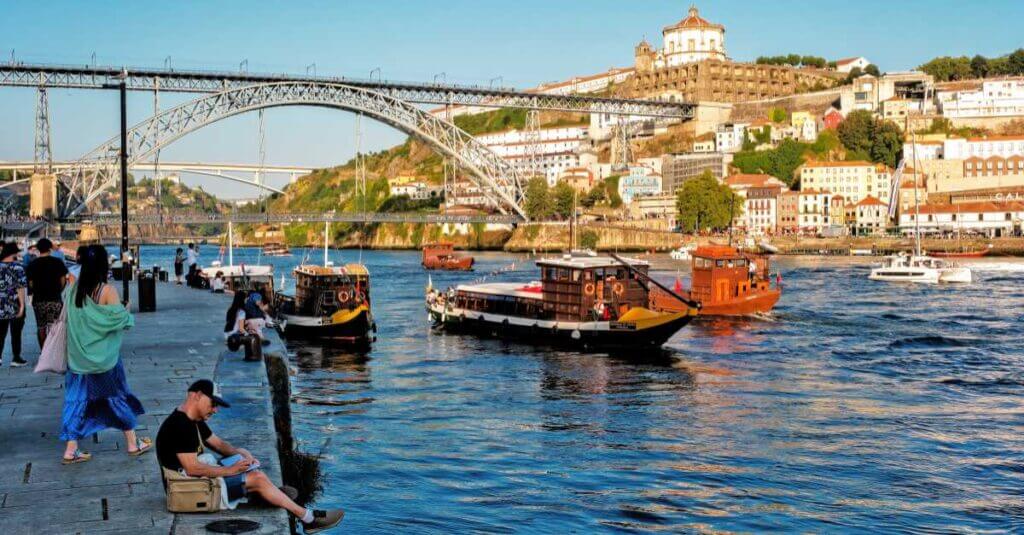
Traveling through Portugal doesn’t have to be expensive. In fact, some of the country’s most charming towns and beaches are also the most affordable. From colorful fishing villages in the Algarve to peaceful inland towns where a full meal costs under €10, Portugal is full of hidden gems perfect for budget travelers.
In this updated 2025 guide, we’ll show you 10 surprisingly cheap places to visit in Portugal — where your money stretches further, but the experience feels richer. Whether you’re backpacking through small towns or planning a relaxed road trip, these low-cost destinations will help you travel smart without missing the real beauty of Portugal.
Why Portugal Is Great for Budget Travelers
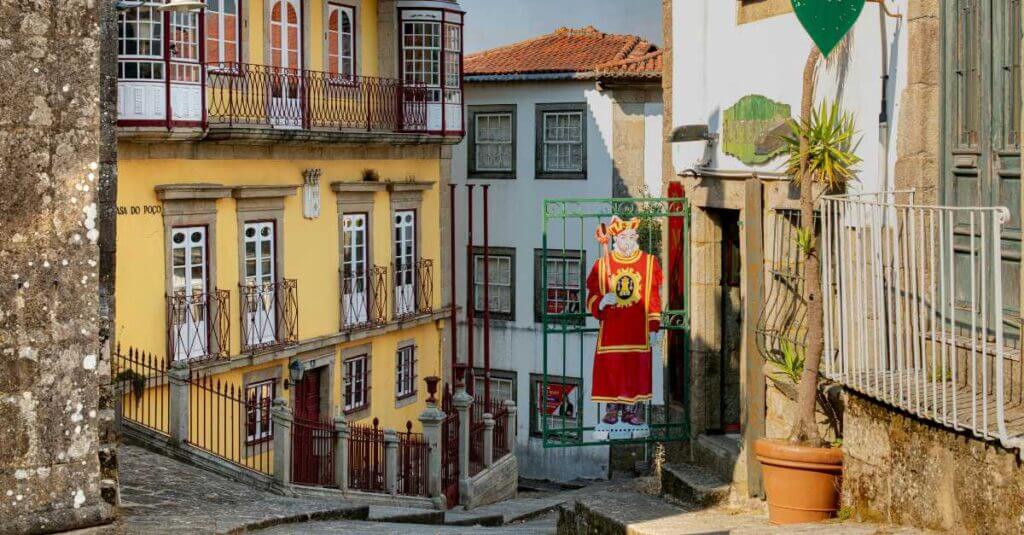
Portugal is one of the rare countries in Europe where you can enjoy rich culture, delicious food, and stunning views — all without spending much. The cost of living is lower than in most Western European countries, which means travelers get more for every euro they spend. Whether you’re dining at a local café, staying in a guesthouse, or riding public transport, you’ll quickly notice how budget-friendly Portugal truly is.
Food is one of the biggest advantages. You can eat like a local and still spend under €10 a day. Traditional Portuguese meals such as bacalhau (codfish), caldo verde soup, or grilled sardines are delicious, filling, and cheap. Many small restaurants offer prato do dia — a daily menu that includes a main dish, drink, and dessert for less than €8.
Accommodation options also suit every traveler. From cozy hostels in Lisbon to rural guesthouses in Alentejo, Portugal has a wide range of affordable stays. Many hotels include breakfast in the price, and if you book in advance or travel during off-season months, you can find great deals even in popular cities like Porto or Faro.
Transportation is another reason Portugal is perfect for budget trips. Trains and long-distance buses are cheap, reliable, and connect almost every region. If you plan to visit multiple cities, getting a Portugal Rail Pass or a rechargeable Viva Viagem card can help you save even more.
And let’s not forget — many of Portugal’s best experiences are free. Walking through old town streets, hiking in nature, relaxing on beaches, or enjoying local festivals cost nothing but time. Whether it’s exploring the colorful houses in Aveiro or watching sunset over the Atlantic, Portugal proves that travel memories don’t have to come with a high price tag.
10 Affordable Destinations in Portugal
Traveling through Portugal on a budget doesn’t mean you have to sacrifice comfort, beauty, or adventure. The country is filled with charming cities, peaceful villages, and coastal escapes that offer incredible value for money. Here are 10 of the cheapest places in Portugal to visit in 2025 — all perfect for travelers looking to experience more while spending less.
1. Beja – The Quiet Heart of Alentejo
Beja is one of Portugal’s most underrated towns, located in the Alentejo region. It’s known for its medieval castle, calm atmosphere, and affordable prices. Hotels here are much cheaper than in Lisbon or Porto, and you can enjoy traditional meals for under €8.
Spend your mornings walking through Beja Castle’s stone walls, visit the Regional Museum, or relax in the public gardens filled with olive trees. The city is small enough to explore on foot, which means you’ll save on transport too. Beja gives you a true taste of Portugal’s slow lifestyle — peaceful, sunny, and full of charm.
2. Braga – The City of Churches and Students
Braga is one of the oldest cities in Portugal, but it’s also lively and young thanks to its large student population. This balance makes it both culturally rich and budget-friendly. Many hostels and guesthouses here cater to students, so accommodation prices are low year-round.
You can visit attractions like the stunning Bom Jesus do Monte sanctuary, the historic Cathedral of Braga, and the charming Arco da Porta Nova — all without entry fees. Street food, small cafés, and local bakeries offer filling meals for €5–€7. The city is also well connected by train to Porto, making it an easy and affordable day trip destination.
3. Tavira – The Hidden Gem of the Algarve
While the Algarve is known for luxury resorts, Tavira offers the same sunshine and beaches at half the cost. This small town blends coastal beauty with traditional Portuguese life. You can explore narrow cobbled streets, enjoy seafood by the river, or take a short ferry to Ilha de Tavira — a quiet island with long golden sands and calm waves.
Tavira’s guesthouses and family-run hotels are far cheaper than in Lagos or Albufeira. Plus, local markets sell fresh fruit and snacks perfect for budget-friendly picnics. If you want the Algarve experience without the high price tag, Tavira is the place to go.
4. Tomar – The City of the Knights Templar
Tomar is a small inland town packed with history, yet it remains one of the cheapest places in Portugal to visit. Its highlight is the Convent of Christ, a UNESCO World Heritage site that costs only a few euros to enter. You can also stroll along the Nabão River, visit the old synagogue, and enjoy local pastries from traditional bakeries.
Everything in Tomar is walkable, and local restaurants serve affordable, home-cooked meals. The calm atmosphere, combined with its deep historical roots, makes Tomar an ideal destination for culture lovers traveling on a budget.
5. Aljezur – The Laid-Back Surf Haven
Aljezur, located in the western Algarve, is perfect for nature lovers and surfers who want to escape crowded resorts. It’s surrounded by stunning cliffs, hidden beaches, and part of the Southwest Alentejo and Vicentine Coast Natural Park.
Accommodation here ranges from budget hostels to small eco-lodges. You can rent a surfboard for a few euros a day, hike the coastal trails, or simply relax at Praia da Amoreira — one of Portugal’s most beautiful beaches. Dining is affordable too, with plenty of seafood taverns serving grilled fish for less than €10.
6. Aveiro – The Venice of Portugal
Aveiro is known for its colorful boats, charming canals, and art-nouveau architecture. Despite its postcard beauty, it remains one of the most affordable destinations in central Portugal. You can take a moliceiro boat tour for just a few euros or rent a bike for free from the city’s “BUGA” system to explore at your own pace.
Local sweets like ovos moles are a must-try, and many cafés offer coffee and snacks for under €3. Budget hotels near the canal or train station make this a great low-cost base for exploring nearby beaches like Costa Nova.
7. Évora – A UNESCO Gem Without the Crowds
Évora is one of the most beautiful historic cities in Portugal, full of Roman ruins, medieval streets, and warm hospitality. Even with its UNESCO World Heritage status, Évora remains surprisingly affordable. Most major attractions like the Roman Temple or Cathedral cost only a few euros, and you can walk everywhere within minutes.
Guesthouses inside the old town walls are cozy and cheap, especially if booked outside the summer months. Eating here is a joy — try traditional Alentejo dishes like açorda alentejana or migas for around €7 per meal.
8. Setúbal – Sea, Wine, and Fresh Fish
Setúbal sits just south of Lisbon, yet it feels like a different world — calmer, cheaper, and filled with authentic local life. The city is famous for its seafood, especially grilled sardines and choco frito (fried cuttlefish), which you can find for less than €10 in family-run taverns.
You can take a ferry to the Troia Peninsula, hike in the nearby Arrábida Natural Park, or stroll along the waterfront without spending a cent. Accommodation prices are half of those in Lisbon, making Setúbal one of the smartest choices for travelers on a tight budget.
9. Coimbra – The University City with Timeless Charm
Coimbra, home to one of Europe’s oldest universities, is rich in culture and full of youthful energy. Because it’s a student city, everything from food to housing is affordable. You can visit the famous university library, wander through the Botanical Gardens, and enjoy live fado music at night — all for minimal cost.
Street cafés serve strong coffee and local pastries for under €2, and hostels near the old town are among the cheapest in central Portugal. Coimbra is also well-connected by train, making it an easy stop between Lisbon and Porto.
10. Faro (Off-Season) – Gateway to the Algarve on a Budget
Faro, the capital of the Algarve, is often overlooked but becomes incredibly affordable outside the summer rush. During the off-season (October to March), you’ll find discounted hotels, cheap car rentals, and quiet beaches.
Explore the Old Town, take a boat ride through the Ria Formosa Natural Park, or enjoy a drink at a waterfront café. Even flights to Faro drop significantly in winter, making it a smart choice for those traveling on a budget in 2025.
Each of these destinations offers a mix of affordability, culture, and authentic Portuguese charm. Together, they prove that you can see the best of Portugal without spending a fortune — just smart planning, local insight, and a little curiosity.
How to Save on Accommodation & Transport in Portugal

Traveling smart in Portugal means spending less without missing out on comfort or experiences. With the right approach, you can stretch your travel budget further — whether you’re exploring small coastal towns or vibrant cities. Here’s how to keep your accommodation and transportation costs low while enjoying everything Portugal has to offer.
1. Book Early and Travel Off-Season
If you’re visiting in 2025, plan your trip outside the summer months (June–August). Prices for hotels and flights drop by 30–50% between October and March, especially in popular regions like the Algarve or Lisbon. Booking early also helps secure the best deals — many small guesthouses offer discounts for early reservations or longer stays.
2. Choose Local Guesthouses and Hostels
Portugal has a fantastic network of pensões (small inns) and family-run guesthouses that are cheaper and often more authentic than big hotels. In smaller cities like Beja, Tomar, or Tavira, you can find clean, comfortable rooms starting from €25 per night. For backpackers, hostels in cities like Braga, Coimbra, or Porto offer beds for €10–€15 per night with free breakfast and shared kitchens to cook your own meals.
3. Use Public Transport Instead of Renting Cars
Public transport in Portugal is reliable and inexpensive. Trains connect major cities like Lisbon, Coimbra, and Porto, while long-distance buses (such as Rede Expressos or FlixBus) reach smaller towns for less than €10 per trip. A rail pass can help you save even more if you’re planning multiple journeys.
For local travel, metro systems in Lisbon and Porto are affordable and easy to use. Rechargeable cards like Viva Viagem let you switch between metro, bus, and tram with one ticket. In small towns, walking or renting a bicycle is the best free alternative.
4. Share Rides or Use Budget Apps
Platforms like BlaBlaCar or Bolt are popular in Portugal for cheap intercity travel. Ride-sharing lets you meet locals, save money, and reduce your carbon footprint. If you’re traveling as a group, splitting taxis or private transfers often costs less than multiple bus tickets.
5. Stay Longer in One Place
Slow travel saves money. Instead of jumping between ten cities, spend more time in fewer places. Many accommodations offer weekly or monthly discounts, and you’ll also save on transport costs. Cities like Évora, Setúbal, and Aveiro are perfect for longer stays since they have a mix of culture, local life, and good transport connections.
6. Cook Your Own Meals or Eat Local
Eating out in Portugal is already cheap, but cooking occasionally makes it even more affordable. Many hostels and Airbnb apartments include kitchens. Buy groceries from local markets like Mercado Municipal or Pingo Doce supermarkets, where fresh produce, bread, and cheese are inexpensive. If you prefer eating out, try small taverns where locals eat — menus often cost less than €8.
7. Walk Whenever You Can
Portugal’s towns and cities are made for walking. Exploring on foot not only saves money but also helps you discover hidden alleys, street art, and local cafés that you’d otherwise miss. Most old towns, like those in Braga or Coimbra, are pedestrian-friendly and compact enough to explore in a day.
With these travel hacks, you’ll see how easy it is to experience Portugal’s charm on a small budget. The goal isn’t just to spend less — it’s to travel smarter and enjoy more meaningful moments along the way.
Average Daily Costs for Traveling in Portugal
Before planning your Portugal trip, it helps to know how much you’ll actually spend per day. The good news is that Portugal remains one of the most affordable destinations in Western Europe — especially when compared to Spain, France, or Italy. Whether you’re a backpacker or a mid-range traveler, you can enjoy great food, comfortable stays, and easy transport without breaking your budget. Here’s a breakdown of what you can expect to spend daily in 2025.
1. Budget Traveler (€35–€50 per day)
Perfect for backpackers or solo travelers who prefer hostels, public transport, and local meals.
- Accommodation: €10–€20 (shared hostel room or guesthouse)
- Food: €10–€15 (local cafés, bakeries, and street food)
- Transport: €5–€10 (buses, metro, or trains)
- Activities: €5–€10 (museum tickets, boat rides, or park entries)
With smart planning, you can live comfortably at this level and still enjoy occasional treats like a sunset drink or traditional dinner.
2. Mid-Range Traveler (€60–€100 per day)
Ideal for couples or families who want comfort while keeping costs reasonable.
- Accommodation: €40–€60 (private rooms, small hotels, or Airbnb)
- Food: €15–€25 (mix of local restaurants and self-cooked meals)
- Transport: €10–€15 (train or car rental shared costs)
- Activities: €10–€20 (day trips, guided tours, or museum passes)
This budget allows flexibility and comfort — great for a week-long trip across several Portuguese cities.
3. Comfortable Traveler (€120+ per day)
If you prefer boutique hotels, car rentals, and frequent dining out, this is your range.
- Accommodation: €70–€100 (3–4-star hotels or central apartments)
- Food: €30–€40 (restaurants, seafood dinners, and drinks)
- Transport: €15–€25 (fuel, tolls, or local taxis)
- Activities: €15–€30 (boat trips, cultural tours, or spa visits)
Even at this higher range, Portugal still offers more value than most European destinations. Luxury experiences — like vineyard stays in the Douro Valley or ocean-view hotels in the Algarve — are relatively affordable compared to elsewhere in Europe.
Extra Tips for Managing Costs:
- Use ATMs wisely: Some machines charge higher fees; use local bank ATMs instead.
- Avoid tourist traps: Skip overpriced restaurants near main attractions.
- Bring a reusable water bottle: Tap water in Portugal is safe to drink.
- Buy combo tickets: Many cities offer multi-attraction passes that save money on entry fees.
Overall, even with modest spending, you can enjoy Portugal’s beaches, culture, and cuisine to the fullest. The key is balancing comfort with smart planning — and Portugal makes that easy.
FAQs About Budget Travel in Portugal
1. Is Portugal really cheap to visit compared to other European countries?
Yes. Portugal is one of the most affordable countries in Western Europe. Food, accommodation, and transport cost much less than in Spain, France, or Italy, making it ideal for travelers on a tight budget.
2. What is the cheapest month to visit Portugal?
The cheapest months are between November and March. During this period, flights and hotel rates drop significantly, and tourist areas are quieter. You’ll also find better deals on car rentals and attractions.
3. Can I travel across Portugal using only public transport?
Absolutely. Portugal’s train and bus networks cover almost every region. Trains connect major cities like Lisbon, Porto, and Coimbra, while long-distance buses reach smaller towns at low prices.
4. How much should I budget per week in Portugal?
A one-week trip for a budget traveler can cost around €250–€350, while a mid-range traveler might spend between €450 and €700. These estimates include food, accommodation, and transport.
5. Is it safe to travel solo in Portugal on a budget?
Yes. Portugal is one of the safest countries in Europe. Cities like Braga, Aveiro, and Évora are very traveler-friendly, with welcoming locals and low crime rates. Just take the usual precautions with your belongings.
6. How can I save money on food in Portugal?
Eat where locals eat. Avoid tourist restaurants and try small tascas or bakeries where you can get a full meal for under €10. Many cafés offer affordable set menus and fresh pastries.
7. Do I need to tip in Portugal?
Tipping is optional. Locals usually round up the bill or leave small change if the service is good. It’s appreciated but never expected.
8. Are there any free attractions in Portugal?
Yes. Many of Portugal’s best experiences are free — from exploring beaches, public parks, and old towns to visiting churches and enjoying local festivals.
9. Can I use euros everywhere in Portugal?
Yes. Portugal uses the euro (€) as its official currency. Credit cards are widely accepted, but it’s good to carry small cash for rural areas and local markets.
10. Is Portugal expensive during summer?
Yes, summer (June–August) is the most expensive season, especially in beach towns. To save money, visit in spring or autumn when prices are lower but the weather is still great.
Conclusion: Explore Portugal Without Overspending
Exploring Portugal doesn’t have to be expensive — in fact, it can be one of the most rewarding budget trips you’ll ever take. The country offers a mix of stunning coastlines, charming cities, and peaceful countryside at prices that make travel feel effortless. Whether you’re wandering through Braga’s historic streets, surfing in Aljezur, or watching the sunset over Tavira’s beaches, every experience feels rich — not in cost, but in memory.
Traveling smart is the key. Choosing the cheapest places in Portugal doesn’t mean giving up comfort or fun; it means finding beauty where most tourists overlook. You can eat fresh seafood for a few euros, stay in cozy guesthouses that feel like home, and explore breathtaking landscapes for free. Portugal’s kindness, safety, and laid-back pace make it ideal for travelers of all ages and budgets.
At SimpleTravelPath.com, we believe that great travel stories don’t come from how much you spend, but from how deeply you experience a place. Portugal is a country where that philosophy truly comes alive. So pack light, plan smart, and embrace every moment — because in Portugal, every corner hides something special, and you don’t need a big wallet to find it.
If you’re ready to start planning, check out our next guide: [Budget Itinerary Portugal: 7 Days of Affordable Adventure] for a complete route and daily plan that keeps your costs low while maximizing every moment.