Imagine standing on a cliff overlooking turquoise water so clear you can see the sand beneath it. The breeze smells like pine and sea salt, and quiet trails lead you through wild forests, limestone cliffs, and hidden chapels. This is Arrábida Natural Park, one of Portugal’s most stunning and peaceful coastal regions.
Located between Setúbal and Sesimbra, less than an hour from Lisbon, the park is a paradise for nature lovers and hikers who want to escape the city for a day. But because it’s a protected area, some paths are restricted, and visitors often get confused about which routes are open or official. That’s why having the right Arrábida Natural Park hiking trails official guide and map is so important.
In this article, we’ll explore the park’s most trusted and government-approved routes — from gentle coastal walks to more challenging climbs with panoramic views. You’ll learn how to reach the park, what to bring, and where to rest afterward. Whether you’re a beginner or an experienced hiker, this guide will help you make the most of your trip while respecting Arrábida’s protected environment.
What Makes Arrábida So Special

Tucked between the blue waters of the Atlantic Ocean and the rolling hills of southern Portugal, Arrábida Natural Park is one of the country’s most breathtaking natural treasures. Stretching across the coastline between Setúbal and Sesimbra, this park covers around 10,800 hectares of cliffs, forests, and secluded beaches. It’s a place where the land meets the sea in the most dramatic way possible, offering endless views, peaceful trails, and a sense of calm that makes every hike feel like an escape from the world.
What makes Arrábida stand out from other parks in Portugal is its incredible biodiversity. The park is home to Mediterranean vegetation rarely found elsewhere — cork oak forests, aromatic shrubs like rosemary and thyme, and wild orchids in spring. You might spot rabbits, foxes, and even eagles soaring above the cliffs. The mild coastal climate keeps the landscape green all year, making it one of the best destinations for hiking in any season.
And then, of course, there are the beaches. Names like Praia do Creiro, Portinho da Arrábida, and Praia de Galápos are legendary for their turquoise water and white sand — beaches that look more like the Caribbean than Europe. Many of the Arrábida Natural Park hiking trails official routes weave through hills overlooking these bays, offering hikers postcard-perfect views from every turn.
Another reason the park is special is its mix of culture and history. Hidden within the forest are old monasteries, limestone caves, and tiny chapels once used by monks seeking solitude. The Convento da Arrábida, built in the 1500s, still sits peacefully on the slopes, surrounded by silence and sea air. Every trail here seems to have a story, blending nature’s beauty with traces of Portugal’s past.
For hikers, photographers, and families alike, Arrábida offers something rare — a place that feels untouched yet accessible, wild yet welcoming. Every path leads to a new discovery, whether it’s a secret viewpoint, a quiet beach, or just the sound of waves echoing below the cliffs.
How to Reach Arrábida Natural Park
Getting to Arrábida Natural Park is easy and rewarding, especially if you love scenic drives or short escapes from Lisbon. The park lies between the towns of Setúbal and Sesimbra, roughly 45–50 minutes south of Lisbon by car. It’s close enough for a day trip yet far enough to feel like you’ve entered another world — one of cliffs, forested hills, and shimmering beaches.
From Lisbon by Car
The fastest and most flexible way to reach the park is by car. From Lisbon, take the A2 highway toward Setúbal, then exit onto N10 or EN379-1, which leads directly into the park. Once you cross the 25 de Abril Bridge or the Vasco da Gama Bridge, the drive is smooth, with signs pointing toward Arrábida and Portinho. The journey takes about 50 minutes depending on traffic.
Driving gives you full freedom to explore multiple trailheads and viewpoints in one day. You can stop at Miradouro do Norte, Praia da Figueirinha, or the Serra do Risco viewpoint, all of which offer incredible panoramic views. However, keep in mind that parking can be limited during weekends and summer months. Some areas near the beaches have restricted vehicle access, especially in Portinho da Arrábida, so it’s best to arrive early or visit on a weekday.
By Public Transport
If you don’t have a car, you can still reach the park using a combination of trains and buses. From Lisbon, take the Fertagus train from Sete Rios or Entrecampos Station to Setúbal — the journey takes about 50 minutes. From there, local buses operated by Carris Metropolitana or TST (Transportes Sul do Tejo) run routes to Praia da Figueirinha and Portinho da Arrábida. Always check schedules in advance, as services can be less frequent outside summer.
Alternatively, some guided day tours from Lisbon offer round-trip transportation, guided hikes, and beach stops. These are great for first-time visitors who prefer a stress-free experience.
By Bicycle or Scooter
For adventure seekers, cycling from Sesimbra or Setúbal into the park is a scenic option. The roads are well-paved but steep, so it’s best suited for experienced cyclists. Electric scooters and e-bikes can also be rented in Setúbal for shorter rides along the coast.
Parking and Entry Points
The main entrances to the park are located near Praia da Figueirinha, Portinho da Arrábida, and Serra do Risco. Small parking lots can be found near these areas, but they fill quickly on weekends. Parking is usually free, though some beach access roads close during the high season to protect the environment. In those cases, shuttle services or park buses may operate from Setúbal to Portinho.
Travel Tip:
If you plan to hike multiple Arrábida Natural Park hiking trails official routes in one day, start from the Setúbal side in the morning (cooler temperatures, shaded forest trails) and move west toward Sesimbra by afternoon (warmer, open coastal views). This allows you to experience the park’s full range of scenery without doubling back.
Whether you arrive by car, bus, or bike, the moment you see Arrábida’s cliffs and turquoise water, you’ll know the trip was worth it.
Official Hiking Trails (With Difficulty Levels)
The beauty of Arrábida Natural Park is that it offers something for everyone — from families looking for short nature walks to experienced hikers chasing panoramic ocean views. Because the park is a protected natural reserve, all Arrábida Natural Park hiking trails official routes are maintained under the supervision of the ICNF (Instituto da Conservação da Natureza e das Florestas), Portugal’s official nature conservation body. These marked trails are designed to protect the environment while guiding visitors safely through the park’s most scenic areas.
Before setting out, it’s important to note that official trails are clearly signposted with wooden markers or painted stripes (usually red and yellow). These indicate direction, distance, and level of difficulty. Trails are open year-round, but some may be temporarily closed during fire-risk periods in summer, so always check the ICNF website for updates.
Here are the five best and most recommended official Arrábida trails, complete with difficulty levels, estimated time, and what you can expect to see along the way.
1. Lapa de Santa Margarida Trail
Difficulty: Easy
Distance: 1.5 km round trip
Estimated Time: 45 minutes – 1 hour
The Lapa de Santa Margarida Trail is one of the park’s most iconic and easily accessible routes — perfect for beginners and families. It starts near the Portinho da Arrábida bay and descends down a steep stone staircase to a hidden sea cave that holds a small chapel built inside the rock. This 17th-century chapel, dedicated to Saint Margaret, feels like something from another world — the sound of the ocean mixes with the echo of prayer.
The path offers stunning views of the coastline as you descend, and once you reach the cave, you’ll be rewarded with an unforgettable view of turquoise water through the cave’s opening. Bring good walking shoes for the descent and a flashlight for exploring the cave interior.
2. Portinho da Arrábida Coastal Walk
Difficulty: Easy to Moderate
Distance: 3 km one way
Estimated Time: 1.5 to 2 hours
If you want to enjoy both beach and mountain scenery, the Portinho da Arrábida Coastal Walk is a must. This official trail follows the shoreline between Praia do Creiro and Portinho da Arrábida, passing through limestone cliffs, pine trees, and lookout points that feel like private balconies over the sea.
The route is mostly flat, making it suitable for all ages. You’ll find benches and shaded spots along the way — perfect for picnics or quick breaks. In summer, you can combine the walk with a swim at one of the calm beaches. The crystal-clear waters here are part of the Arrábida Marine Reserve, home to rare fish and seahorses. Make sure to bring a hat, sunscreen, and plenty of water, as parts of the trail are exposed to the sun.
3. Serra do Risco Trail
Difficulty: Intermediate
Distance: 5.5 km round trip
Estimated Time: 2.5 to 3 hours
The Serra do Risco Trail is one of the park’s most famous hikes and offers the best panoramic view of the Atlantic coastline. Starting near Casais da Serra, this official path climbs gradually to the top of Serra do Risco, which rises more than 380 meters above sea level, making it the highest sea cliff in mainland Portugal.
From the summit, you’ll be rewarded with sweeping views of the ocean, the cliffs of Cabo Espichel, and the green hills of the park stretching endlessly behind you. The trail itself passes through shrubs, wildflowers, and Mediterranean vegetation, with the scent of herbs in the air. It’s a moderately challenging route with some rocky sections, so wear sturdy shoes and bring water. Avoid hiking it on very windy days, as the cliff edges can be exposed.
4. Alto do Formosinho Peak Trail
Difficulty: Challenging
Distance: 7.5 km round trip
Estimated Time: 3.5 to 4 hours
The Alto do Formosinho Peak Trail is the ultimate adventure for those seeking a more demanding hike. It starts near Convento da Arrábida and climbs to the highest peak in the park, at about 501 meters above sea level. The ascent is steep but rewarding, offering views that stretch across the Setúbal Peninsula, the Troia sandbanks, and even Lisbon’s skyline on clear days.
The trail passes through dense forests of pine and oak before opening onto rocky plateaus filled with aromatic plants like lavender and thyme. You’ll often spot eagles circling overhead or hear goats grazing in the distance. The summit viewpoint is marked by a simple cross — a quiet place to rest, breathe, and take in the full majesty of Arrábida. Because this route is exposed and longer, bring at least 2 liters of water, good hiking boots, and a hat.
5. Convento da Arrábida Loop
Difficulty: Moderate
Distance: 4 km circular route
Estimated Time: 1.5 to 2 hours
This tranquil trail loops around the Convento da Arrábida, one of the park’s most historic landmarks. Built in the 16th century by Franciscan monks, the convent is tucked into the hillside with sweeping sea views. The loop trail lets you explore the surrounding forest, old stone paths, and viewpoints overlooking Portinho da Arrábida.
You’ll walk through cork oak trees and wild rosemary bushes, catching glimpses of the whitewashed convent buildings between the greenery. The area feels peaceful and spiritual — it’s not hard to imagine why monks chose this spot for meditation. This trail is ideal for travelers who want both culture and nature in a short, relaxing hike.
These official routes represent the best of what Arrábida has to offer — a perfect mix of natural beauty, history, and coastal wonder. Whether you want a light stroll or a challenging climb, these Arrábida Natural Park hiking trails official paths guarantee breathtaking views and unforgettable moments at every turn.
Also Read: Arrábida Natural Park Easy Hikes: Stunning Views for Every Traveler
What to Bring & Safety Notes
Hiking in Arrábida Natural Park is a wonderful experience, but because it’s a protected and naturally rugged area, preparation is essential. The park’s terrain shifts from forest to cliffs and rocky paths, so having the right gear and knowledge will make your adventure safer and more enjoyable. Whether you’re tackling an easy coastal walk or the challenging Alto do Formosinho Peak Trail, these tips will help you stay comfortable and protected while respecting the park’s fragile ecosystem.
What to Bring for Your Hike
1. Comfortable Footwear: Wear sturdy hiking or trail shoes with good grip. The limestone paths in Arrábida can be slippery, especially near coastal cliffs or after rain. Avoid sandals or thin sneakers — they won’t hold up on steep or rocky trails.
2. Sun Protection: Even though some areas are shaded by trees, much of the park is exposed to direct sunlight. Bring a hat, sunglasses, and apply sunscreen before starting your hike. Coastal reflections can make the sun feel stronger than expected.
3. Water and Snacks: Carry at least 1.5 liters of water per person. There are no shops or refill stations along most trails, and dehydration can happen quickly, especially in summer. Pack light snacks such as fruit, nuts, or energy bars to keep your energy up during long hikes.
4. Lightweight Backpack: A small backpack is perfect for storing your essentials. Choose one that’s breathable and sits comfortably on your shoulders for a few hours of walking.
5. First Aid Kit: It’s always smart to have a mini first aid kit with band-aids, antiseptic wipes, and insect repellent. The park’s natural environment means you might encounter small scrapes or mosquito bites along the way.
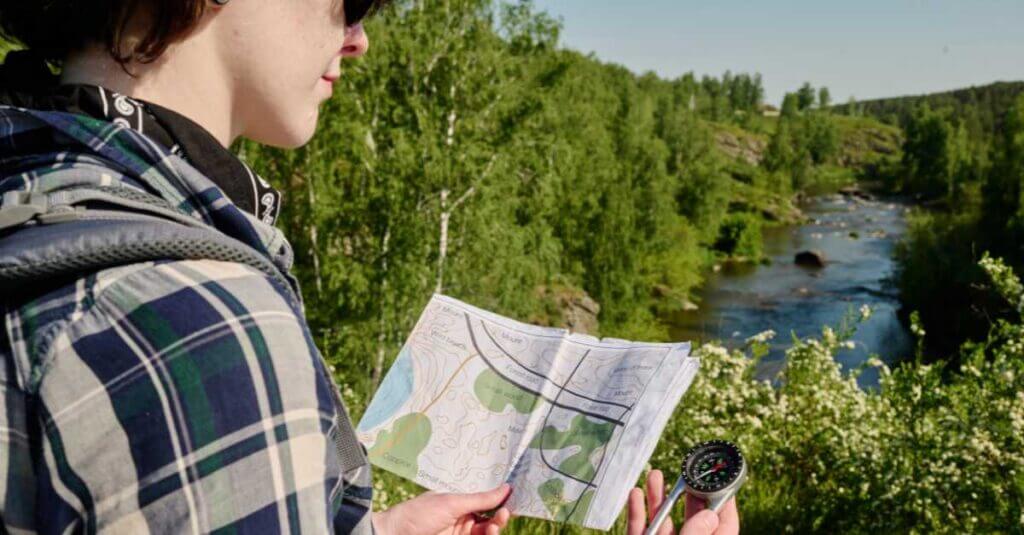
6. Map or Offline App: While official trails are well-marked, fog and low visibility can make signs harder to spot. Download offline maps on AllTrails, Maps.me, or Komoot before heading out. If you prefer traditional navigation, grab a printed copy of the official ICNF trail map at the visitor center in Setúbal.
7. Light Jacket or Windbreaker: Even in summer, temperatures can drop suddenly, especially near the cliffs or higher altitudes like Serra do Risco and Alto do Formosinho. A light, packable jacket will keep you comfortable if wind or fog rolls in.
Safety Notes for First-Time Hikers
1. Stay on Official Paths: Only walk on marked trails. The Arrábida Natural Park hiking trails official routes are designed to protect both hikers and the fragile local ecosystem. Off-trail walking can damage plants and cause erosion.
2. Check Weather Conditions: Sintra and Arrábida share a similar coastal climate that changes quickly. Always check the forecast before you go. If strong winds or fog are expected, avoid exposed trails such as Serra do Risco or Adraga Cliff Path for safety.
3. Avoid Hiking Alone on Remote Trails: While Arrábida is very safe, some trails pass through isolated forest or coastal areas where phone signal can drop. If you’re hiking solo, let someone know your route and estimated return time.
4. Respect Wildlife and Plants: The park is home to rare bird species, foxes, and wildflowers. Observe them from a distance and never feed or disturb animals. Stick to paths to avoid stepping on delicate vegetation.
5. Carry Your Trash: There are few bins in the park, so always bring your waste back with you. Keeping the park clean ensures its beauty remains for future visitors.
6. Time Your Hike: Plan to finish your route before sunset. Most trails, especially those deep in the forest, get very dark once the sun sets, and lighting is minimal.
7. Emergency Numbers: In case of any emergency, call 112, Portugal’s general emergency number. Rangers also patrol the main hiking zones, so don’t hesitate to ask for help if you need assistance.
Being prepared allows you to enjoy the best of what Arrábida has to offer without worry. The park’s beauty is best experienced slowly — take your time, respect nature, and you’ll walk away with memories that last a lifetime.
Where to Eat & Rest After the Hike

After a day of exploring the Arrábida Natural Park hiking trails official, you’ll definitely want to unwind with a good meal and maybe a dip in the sea. The region around the park — especially Setúbal, Azeitão, and Portinho da Arrábida — offers some of Portugal’s best local food, cozy cafés, and scenic spots to relax. Whether you’re craving fresh seafood, a local pastry, or just a quiet place to rest your legs, here are the best places to recharge after your adventure.
1. Portinho da Arrábida – Beachside Cafés with Ocean Views
For those finishing their hike near the coast, Portinho da Arrábida is the perfect spot to rest and eat with a view. The bay here is one of the most beautiful in Portugal — calm, turquoise, and sheltered by cliffs. Several small restaurants line the beachfront, serving simple but delicious seafood.
Try Restaurante O Farol, a local favorite that offers grilled fish, octopus salad, and fresh oysters caught right from the nearby Setúbal estuary. Another great spot is Bar do Portinho, a relaxed café where you can sip a cold drink with your feet almost in the sand. If you hiked the Lapa de Santa Margarida Trail or the Coastal Walk, these places are just a short stroll away.
2. Setúbal – The Capital of Portuguese Seafood
If you prefer a proper meal after your hike, head to Setúbal, the lively port city just 15 minutes from the park. Known as the home of choco frito (fried cuttlefish), Setúbal is a paradise for seafood lovers. Visit Casa Santiago – O Rei do Choco Frito, one of the most famous spots in town, where locals queue for plates of crispy cuttlefish served with lemon and fries.
For a sit-down meal with views, Restaurante Pezinhos N’Areia near Praia da Figueirinha offers grilled sea bass, shrimp rice, and the best view of the Arrábida coast. If you’d rather relax in a more casual environment, Taberna do Largo in Setúbal’s old town serves small tapas-style dishes paired with regional wines.
3. Azeitão – Wine, Cheese, and Quiet Countryside Charm
For a more traditional and peaceful setting, drive inland to Azeitão, a small village surrounded by vineyards and olive groves. This is where you’ll find some of Portugal’s most famous local products: Azeitão cheese, Moscatel de Setúbal wine, and handmade sweets.
Visit Tasca do Fulano for authentic Alentejo-style dishes like pork with clams or lamb stew. For dessert, stop by Pastelaria Cego, where you can try tortas de Azeitão, a soft sponge roll filled with sweet egg cream — it’s a must after a long hike. Azeitão is also a great place to rest overnight, with charming guesthouses like Villa Epicurea offering peaceful views of the mountains.
4. Where to Rest and Stay Overnight
If you want to extend your adventure, staying overnight in or near Arrábida is a wonderful idea. There are plenty of guesthouses, eco-lodges, and boutique hotels that blend comfort with nature.
For a beachfront experience, Hotel Casa da Adôa in Portinho da Arrábida offers rooms overlooking the sea. In Setúbal, Rio Art Hotel combines modern comfort with easy access to both the city and the park. And if you prefer something more secluded, Eco-lodge Refúgio da Arrábida sits quietly among pine trees and offers hammocks, yoga sessions, and homemade breakfasts — ideal after a long hike.
5. Don’t Miss the Sunset Viewpoints
Before leaving, take time to watch the sunset from one of the park’s high viewpoints. The best spots include Miradouro do Norte, Serra do Risco viewpoint, or the cliffs above Praia da Figueirinha. The way the golden light hits the sea and the hills is unforgettable — the perfect ending to your day of hiking and exploration.
After the trails, the food, and the views, you’ll understand why many visitors say that Arrábida is not just a place you visit — it’s a place you feel.
Official Map & Regulations
Because Arrábida Natural Park is one of Portugal’s most ecologically sensitive areas, it’s protected under national law. That means hiking here comes with a few important guidelines to help preserve its beauty for future visitors. Whether you’re planning your first visit or returning for another adventure, understanding the official maps and park rules is key to having a smooth, safe, and respectful experience.
Where to Find the Official Map
The most reliable source for trail maps and regulations is the Portuguese Institute for Nature and Forest Conservation (ICNF) — the organization that manages all national parks in Portugal. The ICNF provides an official Arrábida hiking map that marks every recognized trail, viewpoint, and restricted zone. You can download the map directly from their website by searching for:
👉 “ICNF Arrábida Natural Park Map – Percursos Pedestres Oficiais”
The map highlights both long and short trails, color-coded by difficulty level:
- Green for easy routes like Lapa de Santa Margarida Trail
- Blue for moderate trails such as the Convento da Arrábida Loop
- Red for more challenging ones like the Alto do Formosinho Peak Trail
In addition to hiking routes, the ICNF map also identifies wildlife observation areas, parking zones, rest areas, and locations where swimming or camping is prohibited. You can also pick up a printed copy of the official map at the Visitor Center in Setúbal or at Parque Natural da Arrábida Headquarters near Aldeia de Irmãos.
Park Regulations Every Visitor Should Know
Arrábida’s landscapes are fragile, so visitors are expected to follow strict conservation rules. Here are the main ones to keep in mind:
1. Stay on Official Trails: Only hike on marked routes identified by ICNF signage. Walking off-trail can damage native plants, increase erosion, and disturb wildlife habitats.
2. No Camping or Fires: Wild camping and open fires are strictly forbidden in the park due to high fire risk, especially during summer. Use designated picnic areas only.
3. Waste-Free Hiking: Take all trash with you. The park provides minimal waste bins to reduce human impact, so always pack out what you bring in.
4. Vehicle Restrictions: Certain access roads — particularly around Portinho da Arrábida and Praia da Figueirinha — are closed to private vehicles in summer months. Shuttle services and public transport options are provided instead.
5. Swimming and Diving Rules: Swimming is allowed at most beaches, but diving and fishing require special permits because of the Arrábida Marine Reserve. Always respect local signage indicating restricted zones.
6. Drone Use: Flying drones in Arrábida requires prior permission from park authorities. Unauthorized drone use can disturb nesting birds and violate conservation laws.
7. Dog Regulations: Dogs are allowed on most hiking trails if kept on a leash, but they are not permitted on certain beaches within the Marine Reserve. Check ICNF notices or signs before visiting.
8. Fire Risk Alerts: From June to September, parts of the park may temporarily close due to high wildfire risk. Always check the ICNF website or local information boards for real-time alerts before hiking.
By following these guidelines, visitors help protect Arrábida’s fragile balance between land and sea — ensuring the park remains pristine for generations to come.
If you want to explore safely and responsibly, always use the official ICNF Arrábida map and follow marked routes. It’s your best guarantee of both a safe and authentic experience.
FAQs About Arrábida Natural Park Hiking Trails
1. Are the Arrábida trails free to access?
Yes, all Arrábida Natural Park hiking trails official routes are free to enter. You only need to pay if you visit specific landmarks, such as guided convent tours or private areas near some beaches.
2. Are dogs allowed on the trails?
Yes, dogs are welcome but must be kept on a leash at all times. Some coastal trails and beaches within the Marine Reserve restrict animals, so check local signs or ICNF guidelines before visiting.
3. Can I swim after hiking?
Absolutely. Many of the official routes, such as the Portinho da Arrábida Coastal Walk and Lapa de Santa Margarida Trail, end near beaches where swimming is allowed. The water is calm and crystal clear—perfect for cooling off after a hike.
4. What’s the best time of year to hike in Arrábida?
Spring and autumn are ideal. Between March–May and September–November, temperatures are mild, the scenery is green, and the trails are less crowded. Summer can be hot but still enjoyable if you start early.
5. How can I identify official trails?
Official paths are marked with ICNF signs featuring red and yellow paint stripes or wooden posts. These marks guide you along safe, approved routes and help protect fragile ecosystems.
6. Are there guided hikes available?
Yes, several local tour companies in Setúbal and Sesimbra offer guided hiking tours, often including transportation, maps, and local history insights. It’s a great option for first-time visitors who want a deeper understanding of the park.
7. Can I camp inside Arrábida Natural Park?
No. Wild camping is prohibited to protect the park’s environment. However, there are official campsites and eco-lodges nearby, such as Parque de Campismo de Gávea and Refúgio da Arrábida Eco-lodge.
Conclusion – Discover the Beauty of Arrábida
Arrábida Natural Park is one of those places that makes you fall in love with Portugal all over again. Its quiet cliffs, turquoise beaches, and green hills show a side of the country that’s peaceful, authentic, and deeply beautiful. For hikers, it’s paradise — a place where every step brings a new view, a new sound, or a new story from nature itself.
What makes these Arrábida Natural Park hiking trails official routes so special is their balance between accessibility and wilderness. You don’t need to be an expert hiker to enjoy them — just curious enough to explore. From the sea cave of Lapa de Santa Margarida to the sky-high views at Serra do Risco and Alto do Formosinho, each trail reveals another piece of Arrábida’s charm. Whether you come for a short walk or a full-day trek, you’ll find calm, inspiration, and a stronger connection to nature.
But beyond the cliffs and forests, Arrábida reminds us of something simple — that true beauty doesn’t need crowds, noise, or luxury. It lives quietly in the wind, the sea, and the golden light that touches the park at sunset.
So, when you next visit Portugal, take a detour from the busy city life. Lace up your shoes, pack some water, and follow the trails that lead you into this protected paradise. Because in Arrábida, every path leads to wonder.