If you’ve ever dreamed of sipping world-class wine while surrounded by rolling green hills — but thought it would cost a fortune — the Douro Valley will surprise you. This region of northern Portugal is famous for its terraced vineyards and scenic river bends, yet it remains one of Europe’s most affordable wine destinations for travelers who know where to look.
The Douro isn’t just for luxury resorts or high-end tours. Many of its small wine villages welcome visitors with open arms, homemade meals, and wine tastings that cost less than a movie ticket. From tiny family-run wineries to peaceful guesthouses overlooking the river, you can experience the heart of Portuguese wine country on a budget — without missing any of its charm.
In this guide, we’ll show you five affordable wine villages in the Douro Valley that blend beauty, authenticity, and comfort with low-cost travel. You’ll also learn how to find cheap tastings, budget stays, and local tips to make the most of your trip — all while keeping your wallet happy.
Whether you’re backpacking through Portugal or planning a relaxed weekend escape, this guide will help you explore the Douro Valley’s wine culture without the luxury price tag.
Why You Don’t Need to Spend Big to Enjoy the Douro
The Douro Valley may look like a playground for luxury travelers — with its terraced vineyards, river cruises, and boutique wine estates — but in reality, it’s one of the easiest regions in Europe to explore on a budget. The secret lies in its authentic, small-scale experiences that are richer in flavor and friendlier to your wallet than any high-end resort could offer.
The True Soul of the Douro Lies in Its Small Wineries
The Douro is not just about famous Port houses or big wine brands. The heart of this valley beats inside family-run vineyards and tiny cooperatives that have been producing wine for generations. Many of these small producers open their doors to visitors, offering tastings and tours that cost between €5 and €10 — sometimes even less if you buy a bottle afterward.
Unlike the larger estates near Porto, these local wineries don’t charge for the view or the brand name. Instead, they invite you to walk through their vines, smell the barrels, and hear stories about how their grandparents worked the same land. It’s this personal connection — not luxury packaging — that makes the experience unforgettable.
Affordable and Scenic Transport Options
Traveling through the Douro doesn’t require a private driver or expensive tour. The region’s railway, the Linha do Douro, connects Porto to Pocinho and passes through many of the main wine towns, including Peso da Régua and Pinhão. This route is often listed among Europe’s most beautiful train rides, with the tracks running right beside the river for most of the journey.
A one-way train ticket from Porto to Pinhão costs around €12, and the two-hour ride offers endless photo opportunities. For shorter distances between villages, local buses or shared taxis (around €2–€4) are reliable and affordable. If you prefer driving, renting a small car for a day trip from Porto can be as cheap as €30–€40, giving you the freedom to stop at viewpoints along the way.
Accommodation That Feels Like Home
The Douro region is filled with budget-friendly stays that feel personal and cozy. You’ll find guesthouses run by local families, where rooms cost €35–€50 per night with breakfast included. Many are in restored stone houses surrounded by vineyards or orchards. Staying in one of these places not only saves money but also gives you a glimpse of daily life in the valley.
In villages like Favaios or Tabuaço, your host might serve homemade wine or invite you to share a simple dinner of local bread, cheese, and olives. This kind of hospitality doesn’t appear on travel brochures — it’s something you can only find in Portugal’s countryside.
Food That’s Honest, Filling, and Inexpensive
Dining in the Douro is a joy for travelers on a budget. Restaurants serve traditional Portuguese dishes made with fresh local ingredients — think roasted codfish, grilled sardines, pork with clams, or vegetable soups. Most eateries offer a menu do dia (daily special) for €8–€12, which includes a main dish, soup, dessert, and a glass of local wine.
If you visit markets or bakeries, you can enjoy a picnic by the river for under €5 per person — fresh bread, local cheese, and fruit straight from the valley.
Nature and Beauty That Don’t Cost a Cent
The Douro’s most impressive features are completely free: the landscapes, the sunsets, and the peaceful atmosphere. You can hike through vineyard terraces, visit panoramic viewpoints like São Leonardo da Galafura, or explore riverfront paths without paying anything. The light in the late afternoon turns the valley golden — and that alone is worth the trip.
The Key to Traveling the Douro on a Budget
To enjoy the Douro without overspending, travel slowly and stay local. Choose small towns instead of resorts, local eateries instead of tourist menus, and public trains instead of tours. You’ll discover that the Douro’s warmth and flavor don’t come from money — they come from its people, its landscapes, and its timeless rhythm.
5 Budget-Friendly Wine Villages in the Douro Valley
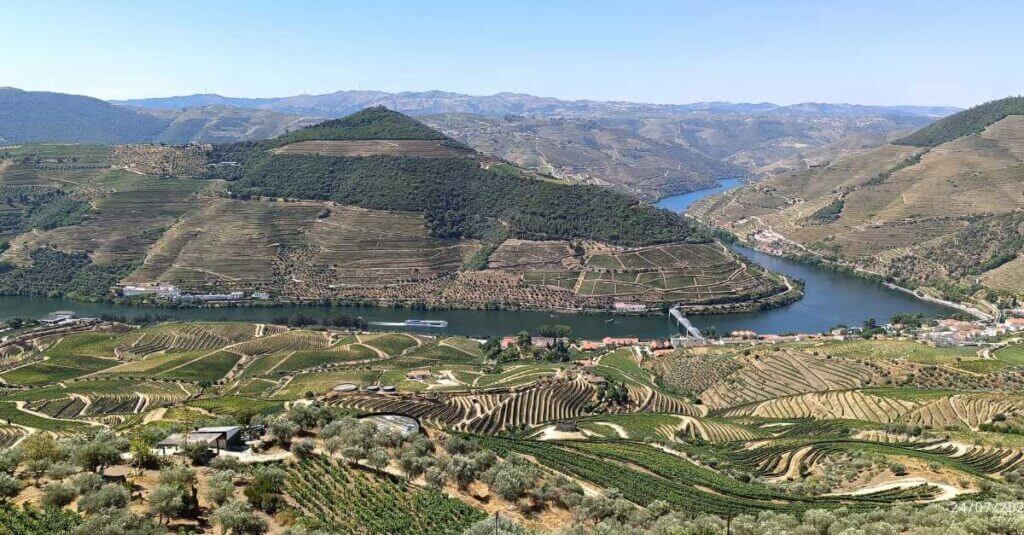
You don’t have to stay in luxury vineyards or big-name estates to experience the best of the Douro Valley. Some of the most memorable wine experiences happen in its small, affordable villages, where life moves slowly, wine flows freely, and prices stay refreshingly low.
Here are five of the most budget-friendly wine villages in the Douro Valley, each offering something unique — from riverside views and historic cellars to simple guesthouses and family-run wineries that make you feel instantly at home.
Peso da Régua
Often called the gateway to the Douro Valley, Peso da Régua is one of the easiest towns to reach by train from Porto. It’s the region’s main transport hub, but it still feels peaceful, surrounded by green slopes and vineyards that seem to touch the clouds.
You’ll find plenty of affordable stays, including small guesthouses and budget hotels with views over the river. Food is inexpensive — try a local tavern serving grilled codfish or pork rice for €9–€12, often with a glass of wine included.
For tastings, skip the large commercial cellars and visit smaller producers like Quinta do Tedo or Quinta da Pacheca, which offer tours and wine samples starting from €10. The riverside promenade is perfect for a sunset stroll, and the Museu do Douro offers insight into the valley’s wine culture for just a few euros.
Why go: Easy access by train, affordable food, and great introduction to Douro’s wine history.
Pinhão
Pinhão is the heart of the Douro — small, scenic, and filled with charm. It’s where the famous Linha do Douro railway hugs the river, and where you can step directly off the train into vineyard country.
This village is surrounded by some of the valley’s most beautiful landscapes, yet it remains surprisingly budget-friendly. Guesthouses start around €40 per night, many of them converted from old vineyard homes. You can walk to Quinta do Bomfim or Quinta das Carvalhas, where tastings and tours start from €10–€12.
If you’re looking for something extra special but still affordable, try a short river cruise (about €15 for 1 hour) to see the terraced hills from the water.
For meals, head to Veladouro Restaurant, where locals gather for hearty portions of meat, fish, and local wine — all under €15 per person.
Why go: Central location, easy access to wineries, and picture-perfect river views.
Favaios
Favaios is a tiny mountain village famous for its Moscatel wine, a sweet fortified variety that has been made here for centuries. It’s less touristy than Pinhão or Régua, which means prices are lower and the atmosphere feels completely authentic.
Don’t miss a visit to the Adega Cooperativa de Favaios, a cooperative winery where you can learn how Moscatel is made and enjoy tastings for as little as €5. The nearby Museu do Pão e do Vinho (Bread and Wine Museum) combines local history with delicious samples — entry costs only a few euros.
Accommodations here are cozy and simple, with family-run guesthouses averaging €35–€45 per night. You’ll wake up to mountain air, quiet streets, and the smell of freshly baked bread from the village bakery.
Why go: Authentic experience, very low prices, and one of Portugal’s best sweet wines.
Tabuaço
Nestled between vineyard slopes, Tabuaço is a peaceful escape for travelers who want to slow down. This small town is known for its traditional wine cellars, local artisans, and scenic views over the Távora River.
Several small wineries here — like Quinta do Convento or Quinta da Padrela — welcome visitors for budget tastings (€8–€10) and friendly tours led by the owners themselves. There are also a few short hiking trails nearby that connect to the surrounding vineyards and viewpoints.
Dining in Tabuaço is one of the best bargains in the valley. Most restaurants serve home-cooked meals for under €10, including a glass of wine and dessert.
Why go: Quiet, traditional atmosphere with authentic food and uncrowded wineries.
São João da Pesqueira
If you’re looking for an authentic Douro experience far from tourist buses, São João da Pesqueira is perfect. It’s one of the oldest towns in the region and a key stop on the Douro Wine Route. Despite its rich history, it remains one of the most affordable places to stay in the valley.
The town is surrounded by small vineyards producing both table wines and Ports, many of which welcome walk-in visitors. Don’t miss the Miradouro de São Salvador do Mundo, one of the best viewpoints in the Douro, just a 15-minute drive away.
Guesthouses here start around €40 per night, and you can enjoy hearty meals of local sausages, cheese, and baked dishes for less than €12.
Why go: Historic charm, breathtaking viewpoints, and small wineries with friendly locals.
Each of these villages offers a different flavor of the Douro — from riverside beauty to mountain quiet — but all share one thing: authentic hospitality and affordable wine experiences.
Cheap Wine Tours & Tastings (Under €15)
One of the best-kept secrets about the Douro Valley is that you can enjoy genuine wine experiences without spending a fortune. While luxury estates often charge €30 or more for tastings, many small and family-run wineries offer intimate tours for a fraction of that price — often with better wine and warmer hospitality. Here’s how to enjoy the best cheap wine tastings in the Douro Valley for under €15.
Family-Run Wineries Offer the Best Value
Skip the big-name Port brands and head to smaller estates (quintas), where the owners or winemakers themselves often guide you through the cellars. You’ll taste local reds, whites, and Ports that rarely make it into export markets — and that’s where the real magic lies.
- Quinta do Tedo (Peso da Régua): Offers 3-wine tastings starting at €10, including a short tour of the vineyards and a visit to the riverfront cellar. The wines are organic, and the staff are passionate storytellers.
- Quinta das Carvalhas (Pinhão): A favorite for scenic views and approachable tastings. Their entry-level experience costs €12, and the terrace overlooking the Douro is one of the best in the region.
- Adega Cooperativa de Favaios (Favaios): Famous for Moscatel wine. You can sample multiple varieties for €5–€7 and see how locals have been crafting this sweet drink for centuries.
- Quinta da Padrela (Tabuaço): A small family estate offering tastings for €8–€10, often paired with homemade cheese or olives. The owners are known for treating guests like family.
- Quinta de la Rosa (Pinhão): Offers affordable guided tastings from €12, where you can try both Ports and Douro table wines in a relaxed riverside setting.
Combine Tastings with Walks or Picnics
Many wineries allow you to bring a picnic or walk through the vineyards after your tasting — free of charge. This makes for a full afternoon experience without adding extra cost. For example, at Quinta do Tedo, you can buy a small bottle after your tasting and enjoy it by the river, surrounded by nature.
Take Advantage of Cooperative Wineries
In smaller towns like Favaios or São João da Pesqueira, local cooperatives (adegas cooperativas) pool resources from multiple small farmers. These are some of the most authentic and affordable tasting spots, where you can try different wines from the same area for less than €10.
Visit During Harvest Season
If you visit in September or early October, many estates host free or discounted tastings during the grape harvest (vindima). You can even watch (or join) the traditional grape stomping that still happens in some villages. It’s one of the most memorable — and cheapest — cultural experiences in Portugal.
How to Save More
- Walk-in tastings are usually cheaper than guided tours.
- Ask locals — many restaurants or guesthouses have partnerships with nearby quintas offering discounts for guests.
- Avoid weekend afternoons, when tours are busier and prices slightly higher.
Enjoying wine in the Douro doesn’t have to mean fine dining and white tablecloths. In fact, the most memorable moments often happen over a €10 tasting in a quiet vineyard with nothing but birdsong and river views.
Where to Stay & Eat on a Budget

Traveling through the Douro Valley doesn’t have to be expensive — and some of the best memories come from simple, local stays and meals that cost less than you’d imagine. Whether you’re planning a weekend getaway or a weeklong wine adventure, you’ll find affordable guesthouses, cozy inns, and traditional eateries that make the region both welcoming and wallet-friendly.
Where to Stay: Budget-Friendly Charm in Every Village
The Douro Valley is full of small, family-run accommodations that deliver comfort, scenic views, and local warmth at reasonable prices. Instead of luxury hotels, look for “alojamento local” (local lodging) — licensed guesthouses and B&Bs managed by families. They often include homemade breakfast and personal touches that make your stay feel special.
Peso da Régua
- Casa do Rio: A simple riverside guesthouse with clean rooms and breakfast for around €45 per night. Guests love the balcony views over the Douro River.
- Douro View House: Offers private rooms for €50–€60 with river panoramas and walking distance to the Museu do Douro and train station.
Pinhão
- HI Hostel Pinhão: The region’s best-value hostel, offering beds from €20/night and private rooms around €40. Its terrace faces the river — perfect for sunsets with a glass of wine.
- Casa de Casal de Loivos: A local favorite with double rooms for around €55 including breakfast, and one of the most breathtaking views in the Douro.
Favaios & Tabuaço
- Quinta da Padrela (Tabuaço): Offers rustic rooms surrounded by vineyards for €50–€60/night, including a free tasting for guests.
- Casa de Favaios: A warm, family-run guesthouse with rooms around €40, serving fresh bread and honey from the village every morning.
São João da Pesqueira
- Casa do Riacho: Simple rural accommodation, about €35–€45/night, ideal for travelers wanting total peace.
- Solar dos Loios: Budget-friendly inn near the center, offering cozy rooms with breakfast and vintage décor for under €50.
Most of these places can be found on Booking.com or Airbnb, but if you book directly by phone or email, you might get discounts or free upgrades.
Where to Eat: Delicious and Affordable
You don’t need to spend much to eat well in the Douro Valley. The food here is authentic, homemade, and generous — and even small village restaurants pride themselves on serving dishes that feel like home.
Peso da Régua
- Castas e Pratos: Set in a former train warehouse, it offers local dishes like roasted cod and pork cheeks. Lunch menus start at €12–€15.
- Restaurante O Maleiro: A local gem serving hearty meat dishes and wine included for around €10.
Pinhão
- Veladouro: Known for its terrace views and traditional plates. Try the roast lamb or codfish — full meals under €15.
- LBV 79 Restaurant: Serves generous Portuguese dishes and house wine for about €10–€13 per person.
Favaios & Tabuaço
- Restaurante Flor do Douro (Tabuaço): Offers daily menus (menu do dia) for €9, including soup, main, dessert, and wine.
- Adega do Favaios: Simple but authentic — perfect for trying local Moscatel wine with your meal. Expect to spend €10–€12.
São João da Pesqueira
- Cantinho da Praça: Popular among locals, serving grilled fish, sausages, and local wine for €10–€11.
- Taberna do Adro: Rustic setting, great hospitality, and traditional baked dishes for about €12 per person.
If you’re traveling on an ultra-tight budget, many bakeries and cafés offer fresh sandwiches, pastries, and espresso for under €3. Combine that with a picnic at a river viewpoint and you’ll enjoy million-euro views for a few coins.
Grocery & Picnic Options
Another excellent way to save money while traveling through wine country is to shop locally. Mini-markets in towns like Régua and Pinhão sell local cheese, cured meats, bread, and fruit at a fraction of restaurant prices.
A quick picnic by the river might cost you €5–€7 total — and you’ll eat better than many restaurant meals elsewhere in Europe. Add a bottle of local red wine from a cooperative for another €5–€8, and you have the perfect Douro meal on a budget.
Tips for Saving More on Accommodation and Food
- Travel off-season (October–April) when prices drop by 30–40%.
- Stay 2–3 nights in one town instead of moving daily — hosts often offer discounts for longer stays.
- Eat lunch instead of dinner — lunch menus (menu do dia) are cheaper and more filling.
- Ask locals for “tasquinhas” — small taverns known for generous portions at low prices.
You don’t need fancy hotels or gourmet restaurants to enjoy the Douro Valley. The magic is in the local charm — waking up to river views, eating simple food made with love, and toasting your day with a glass of wine that costs less than your coffee back home.
Tips for Responsible Wine Travel
Exploring the Douro Valley is one of the most rewarding travel experiences in Portugal — but it’s also a delicate landscape that depends on respect from every visitor. The steep terraced vineyards, small family estates, and quiet riverside villages are part of a centuries-old tradition. To keep that balance between tourism and preservation, it’s important to travel responsibly. Here’s how to enjoy the affordable wine villages of the Douro while giving back to the land and people who make it so special.
Support Small Wineries and Local Producers
Whenever possible, choose independent wineries instead of big commercial ones. Small producers often run their business as a family — they grow, harvest, and bottle everything by hand. By visiting them, you directly support their livelihood and help preserve traditional winemaking methods that have existed for generations.
Even if you only buy a small bottle or a jar of local honey or olive oil, that small act makes a real difference. Look for the label “Produção Familiar” (family production) or “Produtor Local.”
Use Sustainable Transport Options
The Douro is best explored slowly. Instead of rushing through villages by car, use the Linha do Douro train whenever possible. It’s one of Europe’s most scenic and environmentally friendly routes. For short distances, walk, cycle, or use local buses.
If you rent a car, choose a small, fuel-efficient model and stick to marked roads — many vineyards sit on narrow dirt tracks not meant for heavy traffic.
Drink and Drive Responsibly
It’s easy to get carried away with tastings, but always plan ahead. Appoint a designated driver or use taxis and local transfers between villages. In towns like Pinhão and Régua, you can walk to several quintas without needing a car at all.
Another great option is to book a small-group tour that includes transportation — they often cost only a little more than tasting fees but keep you safe and relaxed.
Respect the Landscape
The terraced vineyards of the Douro are a UNESCO World Heritage Site, and preserving them is a shared responsibility. Stay on official walking paths, don’t pick grapes or plants, and take your trash back with you. Even a small piece of litter can harm the fragile ecosystem along the riverbanks.
Avoid flying drones without permission — many vineyards have restrictions due to wildlife protection and privacy rules.
Travel Off-Season
The Douro Valley gets very crowded in summer, especially around Pinhão and Régua. Visiting in spring (April–May) or autumn (September–November) helps spread tourism evenly through the year, reducing pressure on local infrastructure. You’ll also enjoy better prices, open availability, and quieter experiences.
Learn a Few Portuguese Words
Even though many people in the Douro speak English, learning simple words like bom dia (good morning), por favor (please), and obrigado/obrigada (thank you) goes a long way. Locals appreciate the effort, and it creates more meaningful connections during your stay.
Be Mindful with Water and Waste
Northern Portugal can face dry spells in summer. Refill reusable bottles instead of buying new plastic ones, and avoid unnecessary water use. Bring a small reusable bag for fruit, snacks, or souvenirs instead of plastic shopping bags.
Give Back Through Respect and Curiosity
The most responsible travelers are those who observe, listen, and engage with locals. Ask questions about the wines, traditions, or local life — you’ll learn much more than any guidebook can offer. Respect the rhythm of small villages, where life runs slower and more intentionally.
When you travel mindfully, the Douro gives something special in return — not just photos or flavors, but a genuine connection to one of Portugal’s most authentic regions.
Also Read: Douro Valley Small Towns: Peaceful Wine Destinations You’ll Love
FAQs – Affordable Wine Villages in the Douro Valley
1. Is the Douro Valley expensive to visit?
Not at all. The Douro Valley is surprisingly affordable compared to other European wine regions. You can enjoy wine tastings for €5–€10, stay in cozy guesthouses for €40–€60 per night, and eat full meals for around €10–€12.
2. Do I need a car to explore the Douro Valley?
A car gives you flexibility, but it’s not essential. The Linha do Douro train connects Porto to major villages like Peso da Régua and Pinhão. From there, you can walk, bike, or take short local taxis to wineries and viewpoints.
3. What’s the best time to visit the Douro Valley?
The best seasons are spring (April–May) and autumn (September–October). These months offer mild weather, harvest events, and fewer crowds — plus, wine tastings and accommodation are cheaper than in summer.
4. Can I visit wineries without booking in advance?
Yes, in smaller villages, many family-run wineries welcome walk-in visitors for informal tastings. However, for guided tours or larger estates, it’s better to book a day or two ahead, especially during harvest season.
5. What’s the cheapest way to travel from Porto to the Douro Valley?
The train from Porto to Peso da Régua or Pinhão is the most affordable and scenic option, costing around €12–€14 one way. Sit on the right-hand side of the train for the best river views.
6. Is it possible to do a Douro Valley day trip on a budget?
Yes! You can take the morning train from Porto to Pinhão, visit a couple of wineries, have lunch by the river, and return by evening. Expect to spend about €40–€50 total, including transport, food, and tastings.
7. Are there vegetarian or vegan options in the Douro Valley?
Yes, but they’re more common in larger towns like Régua and Pinhão. Ask for prato vegetariano (vegetarian dish) or visit local markets for fruit, bread, and cheese for easy picnic-style meals.
8. Can I bring wine home from the Douro?
Absolutely. Most wineries and cooperatives sell bottles directly to visitors. You can pack them in your luggage or ship them internationally through local wine shops in Régua or Porto.
9. How many days do I need to explore the Douro Valley?
Plan at least two to three days to enjoy several villages, a few tastings, and some river or train rides. For a slower trip, four or five days lets you explore smaller areas like Favaios or Tabuaço at an easy pace.
10. Is the Douro Valley safe for solo travelers?
Yes. The region is very safe, even for solo visitors. Locals are kind and helpful, and public transport is reliable. Just follow basic precautions, especially if hiking or driving alone at night.
Conclusion
You don’t have to spend a fortune to experience the beauty of affordable wine villages in the Douro. These peaceful corners of Portugal blend culture, nature, and flavor — all at a price any traveler can enjoy. From the riverbanks of Pinhão to the hillside terraces of Favaios, the Douro Valley’s affordable wine villages invite you to slow down and savor life’s simple pleasures.
At SimpleTravelPath.com, we believe that great travel is about connection, not cost. By exploring the affordable wine villages Douro offers, you’ll discover how deeply meaningful a simple glass of local wine and a friendly conversation can be.
So go ahead — plan your trip, explore small wineries, and toast to new memories. The Douro Valley is waiting to prove that the best experiences don’t come from luxury; they come from authenticity, warmth, and heart.