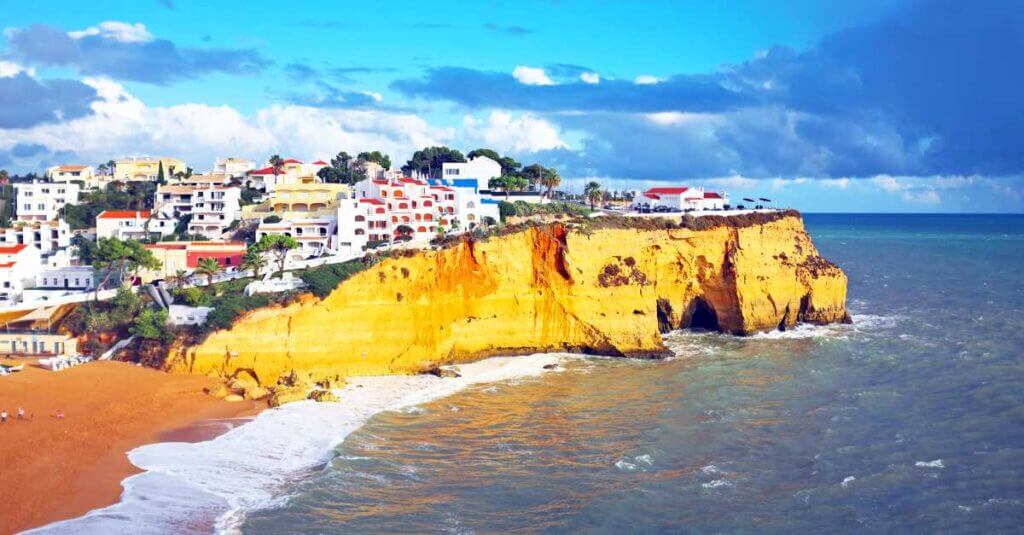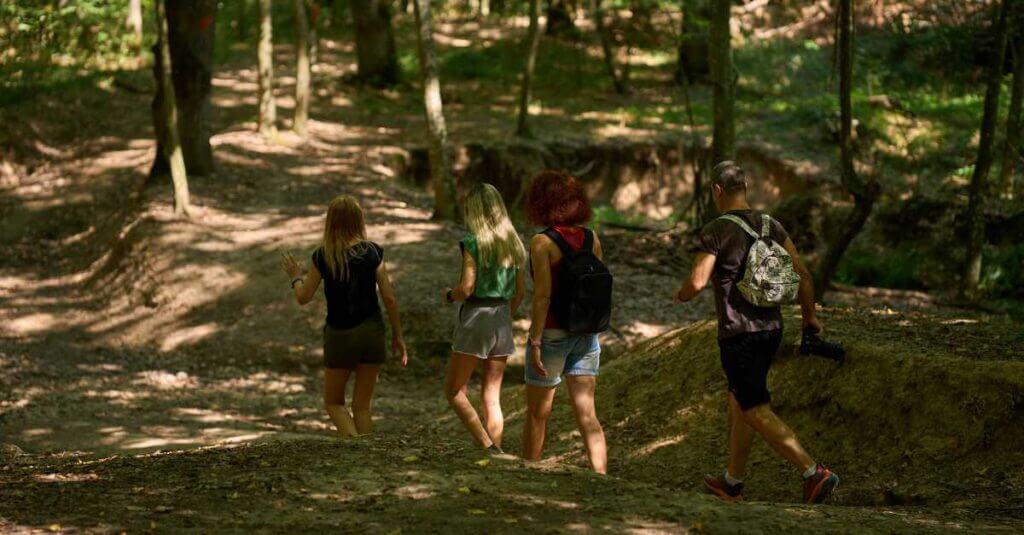
Portugal’s magic isn’t found only in Lisbon’s yellow trams or the Algarve’s crowded beaches. It hides in quiet corners — cobbled villages where time slows, mountain trails that smell of ocean air, and seaside cafés where locals still wave to strangers. If you’ve ever dreamed of discovering a side of Europe that feels calm, warm, and untouched, then these underrated places in Portugal will completely steal your heart.
Most travelers stop at the well-known spots — Lisbon, Porto, and the Algarve — and that’s okay. They’re beautiful. But the real Portugal begins where the guidebooks end. Beyond the busy streets and famous beaches are hidden towns, peaceful hills, and sunlit valleys waiting to be explored. These are places where time seems to move slower, and every walk feels like stepping into a postcard no one else has seen yet.
Exploring underrated places in Portugal isn’t about ticking boxes or chasing trends. It’s about connection — to people, nature, and moments that make you pause and smile. You’ll meet locals proud of their small towns, taste homemade wine, and feel the charm that makes travelers fall in love again and again.
This guide will show you a different side of Portugal — one filled with scenic trails, off-season escapes, creative hideaways, and tiny villages bursting with character. Get ready to see Portugal beyond the map — because sometimes, the most beautiful places are the ones no one tells you about.
Why Explore the ‘Other Side’ of Portugal
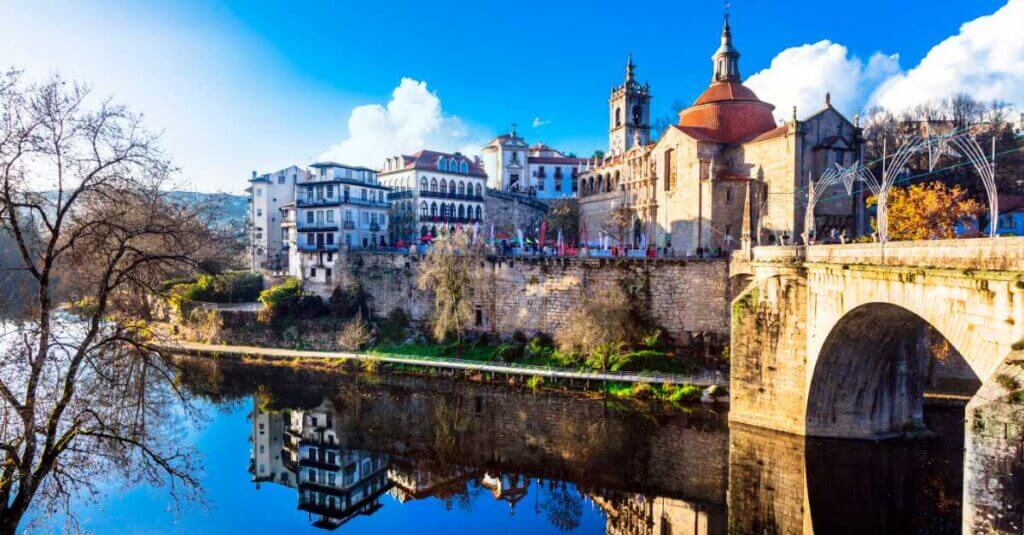
When people think of Portugal, they often picture the lively streets of Lisbon, the pastel houses of Porto, or the golden beaches of the Algarve. But there’s another Portugal — one that feels more personal, peaceful, and real. The “other side” of Portugal is made up of small villages, forest trails, quiet coastlines, and welcoming locals who make you feel like family.
Exploring these lesser-known places is a way to experience the country’s true soul. You’ll find landscapes that look untouched, and towns where time seems to have paused decades ago. Instead of rushing from one famous spot to another, you get to slow down and breathe in Portugal’s rhythm — something you can’t do when surrounded by crowds.
Visiting underrated places in Portugal is also perfect for travelers who prefer meaningful experiences over tourist checklists. Imagine hiking through Sintra’s forest paths, watching fishermen mend their nets in a sleepy Algarve village, or sharing a simple meal in a small mountain town — these are moments that stay with you long after you return home.
Traveling this way also makes your trip more affordable and flexible. Many of these towns are ideal for off-season Portugal travel, meaning cheaper stays, easier bookings, and fewer crowds. You’ll enjoy the same sunshine, food, and culture — but with more peace and authenticity.
And if you’re working remotely or seeking a quiet base to create, these hidden Portugal towns are perfect. Many are now adapting to digital nomads, offering good Wi-Fi, co-working cafés, and a slower pace that makes life feel balanced again.
Choosing the “other side” of Portugal isn’t just about avoiding tourists — it’s about finding the country’s heart.
Nature Escapes & Secret Trails
If you’re the kind of traveler who feels most alive outdoors — walking under tall pines, breathing clean mountain air, or hearing waves crash below a rocky path — Portugal has endless hidden trails waiting for you. The country’s nature is full of surprises, from lush forests near Lisbon to wild northern lakes and dramatic coastal cliffs. These underrated places in Portugal offer a chance to connect with the land, far from tour buses and crowded viewpoints.
Arrábida Natural Park – Easy Hikes with Turquoise Views
Just an hour south of Lisbon, Arrábida Natural Park feels like a secret slice of the Mediterranean. Its cliffs rise above turquoise waters, and the trails wind through fragrant pine and olive trees. Hike the route between Praia do Creiro and Portinho da Arrábida for one of the most scenic coastal walks in the country. The sea views are incredible, and if you go during the off-season in Portugal, you might have the whole beach to yourself.
Arrábida is also a great spot for snorkeling, kayaking, and photography. The calm bays and limestone hills make it perfect for couples, families, and solo travelers looking for peace. Don’t forget to stop at one of the tiny seaside cafés for grilled fish and local wine.
(Alt text suggestion: “Arrábida trail overlooking the turquoise sea in Portugal.”)
Sintra Forest Trails – Beginner Paths to Palaces
Sintra is often known for its fairy-tale palaces, but beyond the popular Pena Palace lies a web of forest trails where mist, moss, and magic meet. The Sintra hiking routes, like the trail to Cruz Alta or the one leading up to Moorish Castle, are perfect for beginners who want both exercise and breathtaking views.
Walking here feels like stepping into a storybook — ancient trees, cool air, and glimpses of colorful palaces peeking through the fog. If you visit early in the morning, you’ll hear nothing but birds and your own footsteps. It’s the kind of peaceful escape that reminds you why exploring underrated places in Portugal feels so rewarding.
Peneda-Gerês Lakes – Quiet Hikes for Peace Seekers
Up in the far north, Peneda-Gerês National Park is Portugal’s only official national park — and yet, it’s still one of the least visited. The scenery here is raw and wild: granite peaks, green valleys, and crystal-clear lakes perfect for swimming in summer. You can follow short trails like the Tahiti Waterfall walk or take longer routes through ancient stone villages.
What makes Gerês special is how untouched it feels. You’ll find shepherds leading their flocks, old Roman roads hidden among trees, and waterfalls that look like they’ve been there forever. It’s a paradise for hikers, photographers, and anyone who wants to slow down and reconnect with nature.
These natural escapes prove that you don’t have to go far from Portugal’s cities to find peace. Every trail tells a story — of the land, of time, and of the simple joy of walking somewhere few people have seen.
Off-Season Towns Worth Visiting
There’s something magical about exploring Portugal when the crowds are gone. The air feels softer, the locals are more relaxed, and the rhythm of life slows down in the most beautiful way. Traveling off-season in Portugal doesn’t just save money — it also gives you a deeper, more personal experience. You can walk empty cobbled streets, enjoy long lunches without rush, and watch sunsets that belong only to you. Here are a few towns that shine brightest when most travelers have already gone home.
Nazaré in Winter – Big Waves, Small Crowds
When winter rolls in, the small coastal town of Nazaré transforms into something extraordinary. From November to February, massive Atlantic waves rise along the coast, attracting the world’s best surfers and thrill-seekers. You can stand on the lighthouse cliff at Praia do Norte and watch waves taller than buildings crash into the shore — it’s both humbling and breathtaking.
But Nazaré in winter isn’t only about surf. It’s about calm walks along the promenade, quiet seafood dinners, and chatting with fishermen who have lived there for generations. The air smells of salt and grilled sardines, and the sunsets are golden and endless. If you love raw coastal energy mixed with peace, Nazaré is the perfect off-season Portugal destination.
Évora in Autumn – Warm Colors and Quiet Cafés
In the heart of the Alentejo region, Évora is a living museum of Roman ruins, medieval streets, and sun-washed plazas. Visiting in autumn means fewer tourists and perfect temperatures for wandering through its ancient walls. The whole town glows in shades of orange and gold, and cafés spill out onto quiet cobbled lanes where locals sip espresso slowly.
Don’t miss the Roman Temple, the Cathedral of Évora, and the eerie yet fascinating Chapel of Bones. And if you’re a food lover, this is the season to taste Alentejo’s hearty dishes — like black pork stew or bread soup with olive oil and garlic. Autumn in Évora is a reminder that travel doesn’t always have to be fast — sometimes, it’s about sitting still and soaking it all in.
Tavira in Spring – Empty Beaches and Local Markets
Down in the eastern Algarve, Tavira is one of those towns that stays lovely all year round — but in spring, it’s especially magical. The air is warm but not hot, flowers bloom along the riverbanks, and the beaches are practically empty. You can take a short ferry to Ilha de Tavira, a long golden island with dunes, soft sand, and calm turquoise water.
Back in town, whitewashed buildings line the streets, and a slow walk over the Roman bridge gives you postcard views at every turn. Tavira also has lively local markets where you can buy fresh fruit, olives, and handmade crafts. If you want to experience the Algarve without the noise, Tavira in spring is your best-kept secret.
Traveling during the off-season isn’t about missing out — it’s about discovering Portugal as the locals live it. Whether you’re chasing waves in winter, colors in autumn, or blossoms in spring, you’ll find that peace and beauty are always in season here.
Small Villages with Big Character
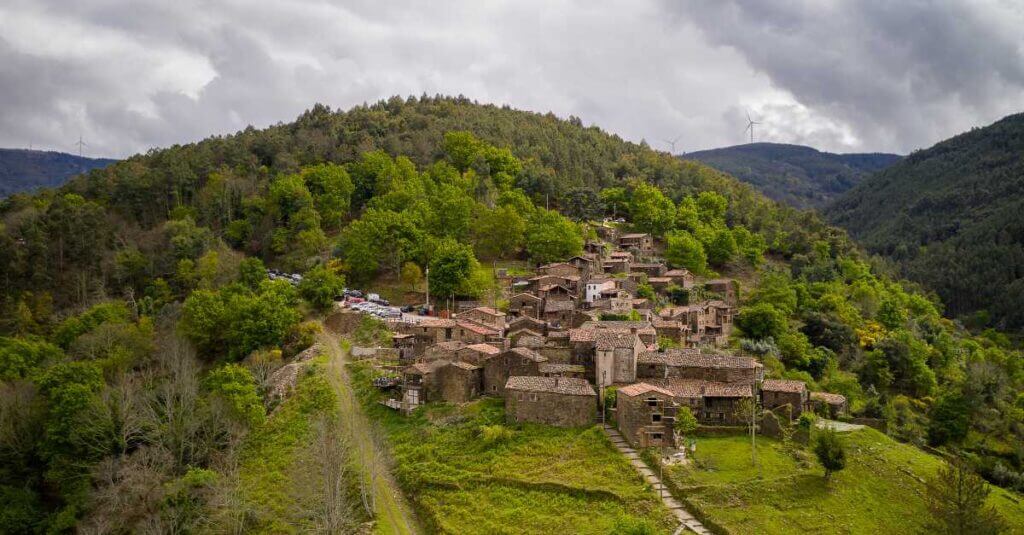
Portugal’s heart doesn’t beat in the big cities — it beats in its small villages. These are the places where you’ll find hand-painted tiles on old walls, grandmothers chatting on doorsteps, and local markets that still close for lunch because life isn’t meant to be rushed. Each of these hidden Portugal towns has its own charm, history, and flavor, showing a side of the country that many travelers never get to see.
Amarante – Riverside Charm Near Porto
Nestled on the banks of the Tâmega River, Amarante is one of northern Portugal’s most picturesque towns. Its arched stone bridge and colorful riverside houses make it look like something out of a painting. Just an hour’s drive from Porto, Amarante is the perfect day trip or peaceful weekend escape.
Walk through the historic center, where every corner tells a story — from the 16th-century São Gonçalo Church to the tiny pastry shops selling papos de anjo (a traditional local dessert). The riverside restaurants offer incredible views, especially at sunset, when the town glows with golden light.
Amarante also connects to the Douro Valley, so you can pair cultural charm with wine-tasting adventures. It’s a town that feels both lively and peaceful, a place where tradition meets gentle beauty.
Monsaraz – Alentejo’s Medieval Balcony
Perched high above the plains of Alentejo, Monsaraz looks like a fairy-tale village frozen in time. Its whitewashed walls, cobblestone streets, and castle views stretch across endless olive groves and vineyards. When you walk through its narrow lanes, it feels as though the world outside has disappeared.
Monsaraz is small enough to explore in a few hours, yet unforgettable enough to stay in your heart forever. From the castle walls, you can see the Alqueva Lake shimmering in the distance — one of Europe’s largest artificial lakes. It’s a perfect spot for sunset lovers and photographers chasing the golden hour.
This is also one of the best underrated places in Portugal to visit if you enjoy peaceful stays. Local guesthouses offer terraces with panoramic views, and at night, the sky fills with more stars than you can count.
Ferragudo – Algarve Without the Noise
If you’ve ever dreamed of experiencing the Algarve without the crowds, Ferragudo is your answer. This small fishing village across the river from Portimão feels refreshingly local. Whitewashed houses climb the hillside, boats sway gently in the marina, and the smell of grilled fish fills the air.
Spend your mornings walking to Praia da Angrinha or Praia do Molhe, both quiet beaches perfect for a swim or picnic. In the afternoons, explore the narrow lanes decorated with bougainvillea, or sip coffee at a harbor café while watching fishermen mend their nets.
Ferragudo proves that even in one of Portugal’s most famous regions, there are still pockets of calm and authenticity waiting to be found.
Lamego – Douro’s Elegant Hill Town
In the heart of the Douro Valley, surrounded by terraced vineyards and winding hills, lies Lamego — a town that perfectly balances grace and history. It’s known for the Sanctuary of Nossa Senhora dos Remédios, a stunning baroque church reached by climbing nearly 700 steps lined with blue-and-white tiles. The view from the top is worth every step.
Beyond the sanctuary, Lamego charms visitors with its 18th-century mansions, shaded squares, and local markets selling cheese, ham, and regional wines. Because it’s close to Douro’s famous wineries, you can easily combine sightseeing with a glass of Portugal’s best red.
For travelers seeking an elegant, less crowded destination, Lamego captures everything that makes hidden Portugal towns so special — heritage, hospitality, and heart.
Each of these small villages invites you to slow down, wander, and listen. The sound of church bells, the chatter from the bakery, and the scent of blooming flowers make these towns feel alive in their own quiet way. Exploring them reminds you that Portugal’s real beauty isn’t in size — it’s in soul.
Remote Work & Creative Living in Coastal Portugal
For many travelers, Portugal isn’t just a destination — it’s a dream lifestyle. With its sunny weather, friendly locals, and affordable cost of living, the country has quietly become one of Europe’s best places for digital nomads and remote workers. Coastal towns, in particular, offer a perfect mix of productivity and peace. Here are some of the most inspiring underrated places in Portugal for people looking to live, create, or work remotely by the sea.
Praia da Luz – Calm Base for Digital Nomads
If you’re searching for a slower, more peaceful version of the Algarve, Praia da Luz is your spot. This small seaside village near Lagos combines relaxed beach life with everything a remote worker needs — stable Wi-Fi, cozy cafés, and short walks to stunning ocean views.
Many expats and freelancers settle here for months at a time, drawn by its simplicity and safety. Early mornings are perfect for a swim or beach walk, while afternoons can be spent working from a shaded terrace with a cup of strong Portuguese coffee.
The village has a friendly international community, yet it still feels authentically Portuguese. You’ll find local bakeries, small markets, and family-owned restaurants serving cataplana (seafood stew) just steps from the sea.
Ericeira – Surf, Wi-Fi, and Sunset Breaks
Ericeira, a charming fishing town about 40 minutes from Lisbon, has become one of Europe’s top surf and digital nomad hubs — without losing its soul. It’s a place where laptops and surfboards share the same rhythm. Mornings start with a dip in the ocean, afternoons are for deep work sessions in beachfront cafés, and evenings end with glowing sunsets over the cliffs.
Ericeira is a UNESCO World Surf Reserve, which means the coastline is protected and full of natural beauty. Even if you don’t surf, the energy here is contagious. The town has co-working spaces, yoga studios, and healthy food spots — perfect for anyone balancing work with wellness.
If you’re exploring hidden Portugal towns that blend creativity and calm, Ericeira should be at the top of your list.
Lagos – Cafés, Community, and Co-working by the Sea
Lagos is often described as the Algarve’s most balanced town — lively enough to have things going on year-round, yet relaxed enough to feel like home. It’s filled with creative people, from writers and designers to photographers and digital entrepreneurs, all drawn by its natural light and coastal charm.
You’ll find several co-working hubs, plenty of short-term rentals, and local cafés where the staff quickly learn your name. When work ends, you can walk to Ponta da Piedade, one of the most beautiful coastal formations in Portugal, or simply relax on Praia Dona Ana, a beach famous for its golden cliffs.
Lagos has a special ability to make you feel productive and peaceful at the same time — something that’s rare in busy cities. It’s no wonder many remote workers call it home for months or even years.
Whether you’re writing, coding, or simply recharging, Portugal’s coastal towns offer a lifestyle that blends work with wonder. Between sunrise swims, delicious food, and friendly locals, remote life here feels less like a routine — and more like a rhythm.
Also Read: Historic Towns Portugal – 10 Magical Villages That Feel Frozen in Time
Portugal’s Hidden Wine & Food Corners
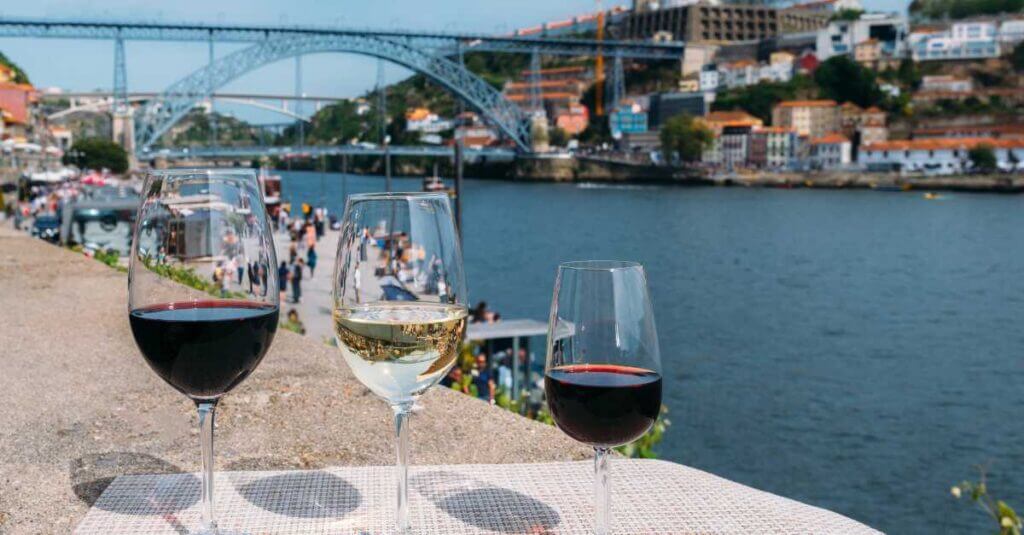
Portugal’s food and wine culture is built on love, patience, and tradition. Every region has its own flavors — from smoky sausages in the north to olive oil and seafood feasts in the south. But the country’s best bites aren’t always found in fancy restaurants. They live in small taverns, family kitchens, and quiet vineyards tucked away from tourist maps. If you want to taste the country’s real heart, these underrated places in Portugal will guide you to it.
Douro Valley – Wine with a View
The Douro Valley is world-famous for its Port wine, but there’s so much more to it than vineyards. This region is one of the oldest wine-producing areas on Earth, carved by the winding Douro River and lined with terraced hills that look golden at sunset. Visiting here feels like walking into a painting.
You can join a river cruise, visit local wineries for tastings, or simply drive the scenic N222 road — often called one of the most beautiful drives in the world. Stop in small towns like Pinhão and Peso da Régua to meet winemakers who’ll pour you a glass straight from the barrel. Pair it with local cheese or cured ham, and you’ll understand why this region is considered Portugal’s liquid treasure.
Alentejo Farms – Olive Oil Tastings and Slow Meals
In southern Portugal, the Alentejo region moves at a slower pace, and so does its food. Here, meals are long, hearty, and full of local ingredients — fresh bread, olive oil, herbs, and meats that have been cooked slowly for hours.
Many Alentejo farms open their doors to visitors for olive oil tastings and farm-to-table experiences. You can walk through centuries-old olive groves, watch the oil-making process, and enjoy a rustic lunch surrounded by golden fields. Don’t miss traditional dishes like açorda alentejana (bread soup with garlic and coriander) and porco preto (black pork).
This region proves that simple food, when made with care, can be unforgettable.
Setúbal – Local Markets and Seafood Magic
Just a short drive from Lisbon, Setúbal is a coastal gem known for its seafood — especially choco frito (fried cuttlefish). The city’s market, Mercado do Livramento, is one of the best in the country. Its colorful stalls overflow with fresh fish, fruit, and local cheeses, and the tiled walls tell stories of the sea.
For the best experience, buy a few items from the market and have a picnic by the water. Or try a local restaurant near the harbor, where the food is caught the same morning it’s served. Setúbal also produces fantastic wine, particularly from the nearby Arrábida region, so don’t leave without tasting a glass of Moscatel de Setúbal, a sweet, golden dessert wine loved by locals.
Exploring Portugal’s food and wine scene is like reading its history — every dish tells a story, every sip shares a tradition. When you sit down to eat here, you’re not just having a meal; you’re tasting centuries of culture passed down through families who still believe food is meant to be shared.
Also Read: Portugal Wine Routes – Affordable & Authentic Vineyard Journeys for Beginners
How to Experience Portugal Differently
Traveling through Portugal isn’t just about seeing places — it’s about feeling them. While most tourists rush from one attraction to another, those who take the slow route discover a deeper side of the country: the warmth of its people, the rhythm of its villages, and the beauty of the small moments in between. To truly enjoy underrated places in Portugal, you need to travel with curiosity, patience, and an open heart.
Travel Light and Stay Local
Portugal’s charm often hides in narrow alleys, steep hills, and cobblestone paths — the kind you can only enjoy on foot. Pack light so you can explore freely. Choose locally owned guesthouses or family-run inns instead of big hotels. Not only will you save money, but you’ll also support the communities that make each town special. Many local hosts love sharing tips about their favorite bakeries, secret viewpoints, or quiet picnic spots that you won’t find online.
Visit Off Hours and Off Season
If you want to see Portugal’s real personality, avoid the crowds. Try visiting famous spots early in the morning or late in the afternoon when the light is soft and the streets are calm. And whenever possible, plan your trip off-season in Portugal — from October to April — when the weather is still pleasant but the atmosphere feels more authentic. This is also when you’ll find better prices on accommodations, more availability, and a deeper connection with locals.
Rent Locally and Explore Freely
Public transport in Portugal is great for major routes, but to reach hidden beaches, mountain trails, and small villages, renting a car is worth it. Driving gives you freedom — the freedom to stop whenever a view catches your eye, to explore detours, and to find spots untouched by tourism. Always choose local rental companies and ask about eco-friendly vehicles to reduce your travel footprint.
Slow Down and Connect
Portugal is not a country you rush through — it’s one you slowly fall in love with. Spend an afternoon watching waves in Nazaré, or a quiet evening listening to Fado music in a village square. Say “bom dia” (good morning) to locals, try a new pastry every day, and let conversations unfold naturally. The best travel stories are often born when you’re not chasing them.
Create Your Own SimpleTravelPath Route
For a unique experience, create your personal “Portugal off-the-map” route. Combine coastal towns like Ericeira and Lagos with inland gems such as Monsaraz or Amarante. Add hiking days in Arrábida Natural Park or Peneda-Gerês, and sprinkle in a few wine stops in the Douro Valley. You’ll end up with an itinerary that blends nature, culture, and calm — one that truly reflects who you are as a traveler.
Experiencing Portugal differently isn’t about doing more — it’s about feeling more. It’s about allowing the country’s beauty, kindness, and calmness to change the way you see the world.
Practical Tips for Exploring Underrated Portugal
Traveling through Portugal’s lesser-known towns is one of the best decisions you can make, but a little preparation goes a long way. From renting a car to knowing what to pack, these tips will help you explore the most underrated places in Portugal comfortably, safely, and affordably — while making sure you experience the country like a local, not a tourist.
Best Months to Visit Underrated Portugal
The best time to explore Portugal’s hidden side is during the off-season — from March to May and September to November. These months offer the perfect balance: fewer tourists, mild temperatures, and lower prices. Spring brings green hills and blooming flowers, while autumn paints the countryside in warm golden tones.
If you’re into hiking or photography, late April and early October are ideal. Summer can be lovely in the north or inland regions like Alentejo, but coastal spots may still see some crowds. Winter is peaceful too — perfect for exploring charming towns like Évora, Amarante, and Nazaré without the rush.
Car Rental and Getting Around
Many hidden Portugal towns are not directly connected by trains or buses, so renting a car will give you more freedom. Portugal’s roads are generally safe, well-marked, and scenic. Just remember: rural roads can be narrow, so drive slowly and patiently.
Opt for a smaller car to navigate old village streets and ask the rental company about toll road options — some highways require an electronic pass. If you prefer public transport, the train network works well between major cities, and local buses connect nearby villages, though less frequently.
Average Budget Per Day
Portugal is still one of the most affordable countries in Western Europe. On average:
- Budget travelers can spend around €40–€60 per day (hostels, public transport, local eateries).
- Mid-range travelers can expect €70–€120 (guesthouses, car rentals, nice restaurants).
- Comfort travelers might spend €150+ per day (boutique stays, guided tours, fine dining).
Food is reasonably priced everywhere, and local bakeries are a traveler’s best friend — a pastry and coffee rarely cost more than €2.
What to Pack for Off-Season Travel
Portugal’s weather is mild, but it can change quickly, especially near the coast or in the mountains. Pack lightweight layers — a mix of T-shirts, a warm sweater, and a waterproof jacket. Comfortable walking shoes are a must since most villages have cobbled streets.
If you plan to hike in Arrábida or Sintra, bring sunscreen, a hat, and a refillable water bottle. And don’t forget a power adapter (Type F plug) if you’re visiting from outside Europe.
Safety and Etiquette
Portugal is one of Europe’s safest destinations. People are kind, helpful, and respectful. Still, it’s smart to keep your valuables close in crowded places and use common sense when parking overnight in remote areas.
When greeting locals, a simple “Olá” or “Bom dia” goes a long way. In restaurants, tipping isn’t mandatory, but leaving 5–10% is appreciated. Above all, be respectful of quiet towns — they’re not tourist attractions, they’re people’s homes.
Exploring underrated places in Portugal is easy and deeply rewarding when you travel mindfully. A little planning ensures that every step of your journey feels smooth, authentic, and full of joy.
Quick Travel Summary for Exploring Underrated Portugal
| Category | Details & Recommendations |
|---|---|
| Best Time to Visit | March–May (spring) and September–November (autumn) for mild weather, fewer tourists, and vibrant scenery. |
| Average Daily Budget | Budget: €40–€60 • Mid-range: €70–€120 • Luxury: €150+ |
| Top Underrated Towns | Amarante, Monsaraz, Ferragudo, Lamego, Tavira, Évora, Nazaré |
| Best Hidden Nature Spots | Arrábida Natural Park, Sintra Forest Trails, Peneda-Gerês National Park |
| Ideal for Remote Work | Praia da Luz, Ericeira, Lagos |
| Local Dishes to Try | Bacalhau à Brás, Cataplana de Marisco, Açorda Alentejana, Choco Frito |
| Wine Regions Worth Visiting | Douro Valley, Alentejo, Setúbal |
| Average Hotel Price (2–3 stars) | €40–€80 per night in smaller towns |
| Transportation Tips | Rent a small car for freedom; use trains for major cities and buses for nearby villages. |
| Essential Items to Pack | Comfortable shoes, light layers, waterproof jacket, reusable water bottle, Type F plug adapter. |
| Safety Rating | Very safe — low crime rate, friendly locals, and peaceful atmosphere. |
| Language Tip | Most locals speak some English, but learning a few words like “Obrigado” (thank you) or “Bom dia” (good morning) makes a big difference. |
FAQs About Underrated Places in Portugal
1. When is the best time to visit Portugal off-season?
The best time is between March and May or September and November. The weather is pleasant, attractions are quieter, and prices are lower compared to the summer peak.
2. Which small towns near Porto are worth visiting?
Beautiful nearby towns include Amarante, Lamego, and Guimarães — all easy to reach and full of history, food, and riverside charm.
3. Are Sintra hikes beginner-friendly?
Yes. Most Sintra hiking trails are moderate and well-marked, suitable for beginners who enjoy gentle climbs and scenic views.
4. Is remote work legal in Portugal?
Absolutely. Portugal welcomes remote workers with specific digital nomad visas and great infrastructure in towns like Lagos, Ericeira, and Praia da Luz.
5. What’s the cheapest way to see the Douro Valley?
The most affordable option is to take a train from Porto to Pinhão, explore on foot, and join a budget-friendly local wine tasting instead of a cruise.
6. Are the underrated places in Portugal safe for solo travelers?
Yes. Portugal consistently ranks as one of the safest countries in Europe, with friendly locals and a relaxed atmosphere even in small towns.
Conclusion – Discover Portugal Beyond the Map
Portugal’s greatest treasures aren’t found on tourist brochures — they’re hidden in quiet towns, coastal trails, and countryside roads where life moves at its own rhythm. Traveling through these underrated places in Portugal opens the door to a gentler, more genuine side of the country. You’ll find beauty not just in monuments, but in everyday moments — a smile from a stranger, the smell of fresh bread, or a golden sunset over the hills.
When you choose to travel differently, you start to see more. You see how each region tells a story — from the vineyards of the Douro to the old stone walls of Monsaraz, from the calm beaches of Tavira to the forest trails of Sintra. These are not places you simply visit; they’re places you feel.
Portugal rewards those who slow down, who take the time to wander beyond the map and discover what lies between the famous spots. So pack light, travel curious, and let the country surprise you.
Start with one small village this year, one trail, one hidden café — and you’ll soon realize that every corner of Portugal has something special waiting to be found.
Because the best journeys aren’t about distance — they’re about discovery.