If you’ve ever dreamed of waking up to birdsong, homemade bread, and rolling hills dotted with olive trees, then staying in a local’s home in rural Portugal is exactly what you need. Forget the polished hotels and crowded resorts — real Portuguese warmth lives in the countryside, where every guest is treated like family. These rural stays in Portugal are more than accommodation; they’re experiences filled with tradition, connection, and slow, simple living.
In small villages and farmlands across the country, you’ll find guesthouses, farm cottages, and family-run estates that open their doors to travelers seeking authenticity. Here, breakfast is made from local ingredients, conversations are shared over wine, and life moves at a peaceful rhythm. Whether it’s a vineyard in the Douro Valley, a farmhouse in Alentejo, or a mountain lodge in Serra da Estrela, each stay offers a glimpse into the real Portugal — the one that still values community, nature, and quiet joy.
This guide will help you discover the most beautiful rural guesthouses and farm stays across Portugal, explain what makes them so special, and show you how to book the most genuine experiences. If you’ve ever wanted to see Portugal through the eyes of its locals, this is the perfect way to do it.
Why Choose Rural Stays
Choosing rural stays in Portugal isn’t just about finding a place to sleep — it’s about stepping into a slower, more meaningful way of life. These countryside escapes let you experience Portugal as locals do, surrounded by nature, history, and genuine hospitality. They’re perfect for travelers who crave peace, authenticity, and a deeper connection to the places they visit.
In rural Portugal, time seems to move differently. The rush of city life fades into quiet mornings filled with birdsong, the smell of coffee, and the sight of golden fields stretching toward the horizon. Locals take pride in welcoming guests, often treating them like family. You might find yourself helping pick olives, joining a homemade meal, or listening to stories passed down through generations. It’s these small, human moments that make rural stays feel unforgettable.
One of the greatest benefits of staying in the countryside is authentic Portuguese hospitality. Many of these guesthouses and farm stays are family-run, often by people who’ve lived there for decades. They’ll invite you to taste their olive oil, pour you a glass of homemade wine, or guide you to their favorite nearby viewpoints. The experience feels personal — something no hotel chain could ever replicate.
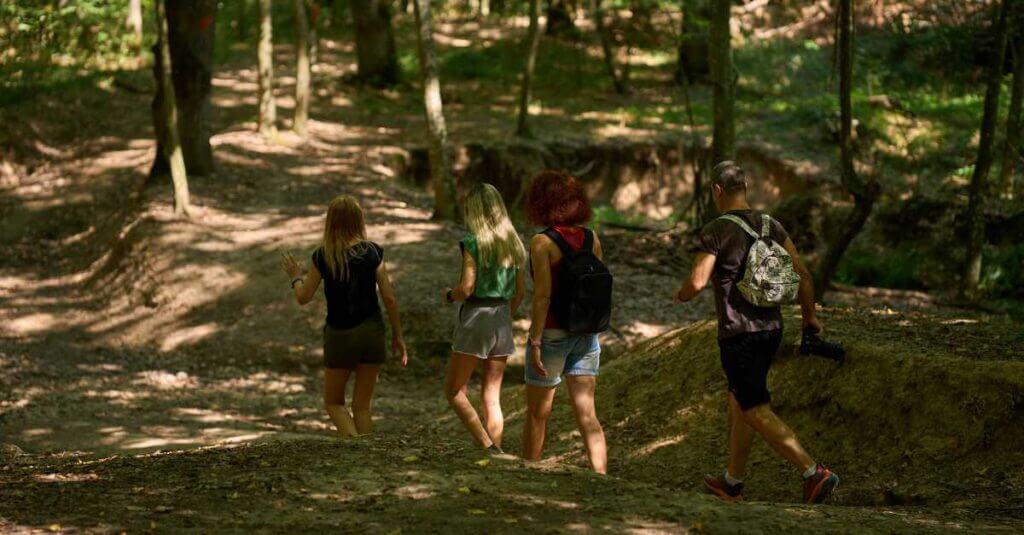
Rural stays are also ideal for travelers who want to reconnect with nature. Portugal’s countryside is incredibly diverse — rolling vineyards in the north, cork forests in the south, and wild coastlines in between. Whether you’re hiking in Serra da Estrela, cycling through Alentejo, or relaxing near a farm pond in Algarve, you’ll find space to breathe, reflect, and slow down.
Another reason to choose rural stays is sustainability. Many properties operate on eco-friendly principles, using solar power, local produce, and minimal waste systems. By staying there, you support small communities and contribute to preserving Portugal’s rural heritage. It’s a beautiful way to travel responsibly while enjoying an unforgettable experience.
And finally, rural stays often offer incredible value for money. Compared to hotels in Lisbon or Porto, countryside guesthouses can be surprisingly affordable — often including hearty breakfasts, scenic views, and cozy rooms for half the price.
So if you’re looking for more than a vacation — if you want a story, a memory, and a genuine connection — Portugal’s rural homes will give you exactly that.
Regions Perfect for Farm Stays
Portugal’s countryside is full of charm and variety. Every region has its own rhythm, flavor, and style of hospitality. Whether you prefer rolling vineyards, mountain valleys, or quiet coastal farms, there’s a perfect spot waiting for you. Here’s a detailed look at the most beautiful regions for rural stays in Portugal, where you can truly experience the warmth of local life and the beauty of untouched landscapes.
1. Alentejo — Olive Farms, Vineyards, and Endless Peace
Alentejo is the heart of rural Portugal — a land of golden plains, cork trees, and sleepy villages that seem frozen in time. Staying here feels like stepping into a postcard. You’ll find family-run farmhouses surrounded by vineyards, olive groves, and sunflower fields that glow under the setting sun. The pace is slow, the air is warm, and the food is unforgettable.
Many farm stays here are part of the Rota Vicentina region, near small towns like Évora, Monsaraz, and Beja. You can spend your days cycling between wineries, walking along the countryside trails, or joining the family for a farm-to-table dinner made with ingredients straight from the garden. Some guesthouses even let you participate in olive oil making or grape harvesting, depending on the season.
If you love peace, privacy, and authentic connection, Alentejo is a dream come true. Its simplicity is its greatest luxury — the kind of place where a sunset can be the highlight of your day.
2. Douro Valley — Wine Estates and River Views
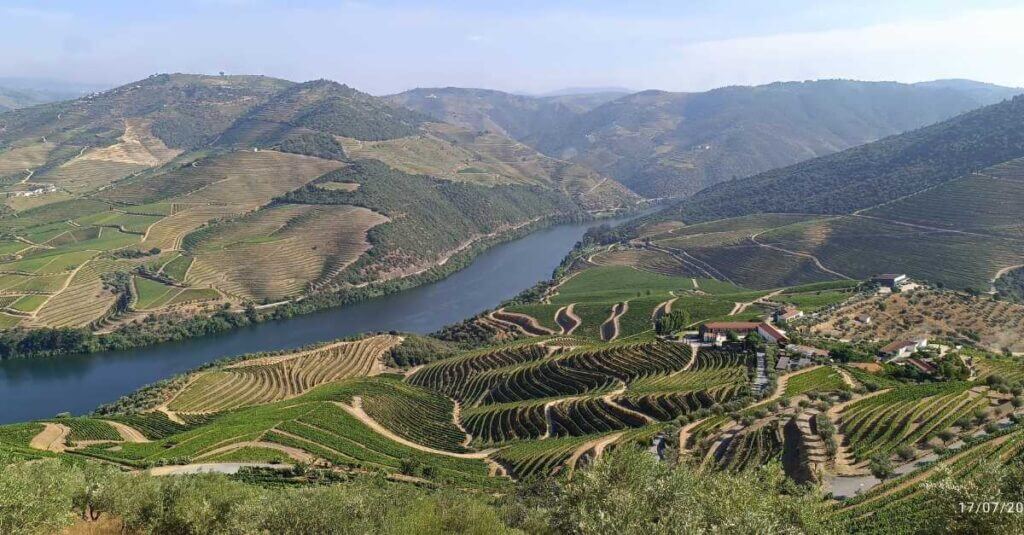
The Douro Valley is one of the most beautiful wine regions in the world, and it’s a paradise for travelers who love scenic views and local tradition. Farm stays here often sit on the terraced hills that rise above the Douro River, surrounded by vineyards that change color with every season — green in spring, gold in summer, and deep red in autumn.
Staying at a quinta (wine estate) lets you experience the deep-rooted culture of winemaking in northern Portugal. You can walk through the vines, taste port wine straight from the cellar, and enjoy homemade dinners paired with local vintages. Some properties also offer boat tours along the river or guided hikes through the valley.
The hospitality in Douro is warm and heartfelt — hosts often treat guests to personal stories about their family’s connection to the land. You’ll fall asleep to the sound of crickets and wake up to the morning fog rolling over the vineyards. It’s peaceful, romantic, and deeply Portuguese.
3. Serra da Estrela — Mountain Lodges and Cozy Retreats
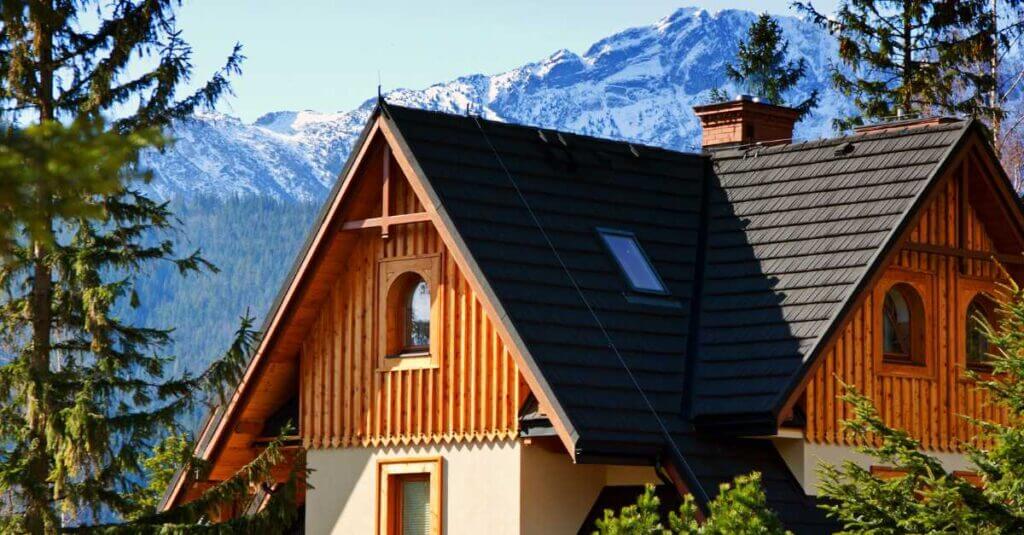
For travelers who crave mountain air and adventure, Serra da Estrela — Portugal’s highest mountain range — offers a different kind of rural charm. Here, the farm stays feel rustic and cozy, often built from granite and wood, with fireplaces and wool blankets made from the local sheep’s wool.
The region is known for its traditional Queijo da Serra cheese, produced in small dairies that you can visit as part of your stay. You’ll also find hiking trails, crystal-clear lakes, and panoramic viewpoints that stretch as far as Spain. In winter, you might even see snow, making it one of the few places in Portugal where you can combine nature with cozy fireside evenings.
Many guesthouses here are run by families who have lived in the mountains for generations. They’ll welcome you with homemade food, herbal teas, and stories about life in the highlands. If you’re looking for quiet nights, fresh air, and genuine connection, Serra da Estrela is the perfect escape.
4. Algarve — Eco-Farms and Coastal Serenity
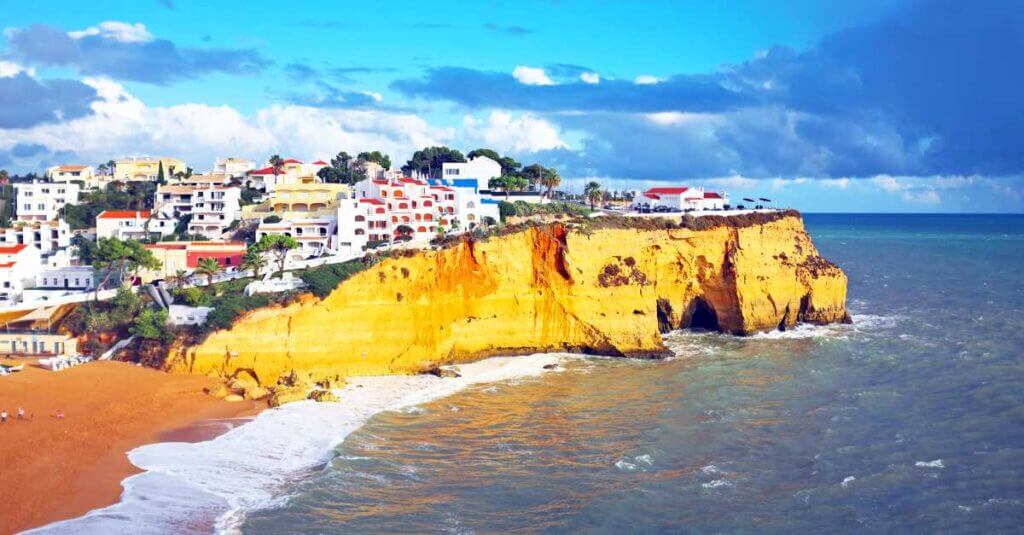
Beyond its famous beaches and resorts, the Algarve hides a peaceful, rural side that most tourists never see. Inland from the coast, small eco-farms and country cottages offer a glimpse of traditional southern Portuguese life. You’ll wake up to birdsong, orange-scented breezes, and views of soft hills that stretch toward the sea.
Towns like Monchique, Silves, and Aljezur are perfect for rural stays. Many farms here focus on organic produce, sustainable living, and slow food. You can help pick fruit, learn about beekeeping, or enjoy open-air yoga sessions while the sun rises over the countryside.
These eco-stays in the Algarve are ideal if you want balance — close enough to reach the beach during the day, yet far enough to enjoy quiet nights under the stars. It’s the best of both worlds: comfort, nature, and the gentle rhythm of rural life.
Each of these regions captures a different side of Portugal’s soul. Together, they show how diverse and welcoming the country’s countryside really is — a place where every stay feels personal, peaceful, and full of heart.
How to Book Authentic Guesthouses
Finding real, heart-warming rural stays Portugal experiences starts with knowing where and how to look. The goal is simple: choose small, licensed places run by locals who love sharing their land, food, and stories. Use these steps to find stays that feel personal, peaceful, and true to the countryside.
Start with the right platforms. Look beyond big hotels and search filters for “country house,” “farm stay,” “agroturismo,” or “quintas.” Good places to start include booking sites with strong guest reviews plus Portugal-specific directories that list licensed rural homes. When you search, set filters for “family-run,” “breakfast included,” “countryside view,” and “free parking.” This helps surface cozy, small-scale rural stays Portugal options rather than generic lodgings.
Read reviews with care. Don’t just check the star rating; read 5–10 recent reviews and look for the same details repeated: warm hosts, homemade breakfast, quiet nights, clean rooms, and easy communication. Scan photos for real signs of farm life: gardens, orchards, vineyards, animals, outdoor tables, and lived-in kitchens. If all photos look like a showroom, it may be more hotel than home.
Verify that it’s licensed. In Portugal, many rural homes list an AL number (Alojamento Local) or appear under “Turismo Rural” categories like Casa de Campo, Agro-Turismo, or Turismo de Habitação. Licensed properties usually follow safety and hospitality standards, and that’s a good sign you’re booking a trusted rural stays Portugal experience.
Message the host before you book. Ask two or three simple questions to feel the vibe: “Is breakfast homemade?” “Can we join any farm activities?” “Do you have tips for nearby walks or viewpoints?” Friendly, quick replies are a green flag. If answers feel copied or unclear, keep looking. Good hosts love sharing their area and will mention small touches, like fresh bread delivery or sunset viewpoints.
Check what’s included. The best countryside guesthouses often include breakfast with local products, parking, and a few free activities (short farm tour, olive oil tasting, or garden access). Confirm wi-fi strength if you plan to work, heating or AC by season, and whether the kitchen is shared or private. For longer stays, laundry access is a big plus.
Look at location with a map, not just the address. A “rural” listing may still sit near a busy road. Use satellite view and street view to check for open fields, trails, and distance to the nearest village. If you want total quiet, aim for properties at least a few kilometers outside town. If you prefer balance, choose a place within 10–15 minutes of a bakery, small market, or café.
Time your booking by season. Spring and autumn are the sweet spots for rural stays Portugal because the weather is mild and farms are active. In grape or olive harvest months, book early. In summer, countryside places near beaches sell out fast. In winter, mountain lodges are cozy and cheaper, but confirm heating and fireplace rules before booking.
Understand policies before you click “reserve.” Check minimum stay (some rural homes prefer 2–3 nights), cancellation terms, and payment method. Many family stays use card or platform payment only; others may request a small deposit. If you need flexibility, filter for “free cancellation” until a few days before arrival.
Spot red flags and avoid them. Be careful with listings that have very few reviews, generic descriptions, only wide-angle interior photos, or no exterior shots. If the host avoids questions about breakfast, farm access, or nearby walks, move on. Real rural stays Portugal hosts are proud of their land and will happily tell you about it.
Ask for simple extras that make it special. Many hosts can arrange a homemade dinner, a picnic basket, a private tasting, or a sunrise farm walk. If you’re celebrating something, say so. Rural hosts often add lovely touches: a cake, a jar of jam, or a bottle of local wine.
Build a sample short-list workflow that saves time. Step 1: filter for “country house/farm stay,” breakfast, top review score. Step 2: open 6–8 tabs. Step 3: read the last 10 reviews for each and close anything with weak detail. Step 4: message the top three hosts with two questions. Step 5: book the one with the warmest reply and clearest info.
With this approach, you’ll land the kind of rural stays Portugal is famous for: homes where you feel seen, fed, and truly welcome. The booking is simple; the memories are the magic.
Also Read: Portugal Hidden Gems You Must Visit: 21 Underrated Towns and Villages
What to Expect (Meals, Facilities, Etiquette)
When you book rural stays in Portugal, expect something genuine, warm, and refreshingly simple. These are not hotels — they’re homes that open their doors to travelers. Life moves slower, and hospitality runs deeper. You’ll eat local food, wake up to nature, and feel like part of the family rather than a guest checking in.
Meals: Homemade, Fresh, and Seasonal
Breakfast is the heart of most rural stays. You’ll likely be served fresh bread from the village bakery, homemade jams, local cheese, and sometimes eggs or fruit straight from the farm. In Alentejo, expect olive oil drizzled on bread; in Douro, maybe a little grape juice or port from the vineyards nearby. Some guesthouses offer dinner by request — hearty meals made from the day’s harvest, cooked slowly and served family-style. You’ll taste authentic Portuguese home cooking, full of olive oil, garlic, and love.
If your host doesn’t serve lunch or dinner, don’t worry. They’ll happily recommend nearby taverns or small restaurants where locals eat. In many rural areas, food is seasonal — so menus change with the time of year. Try to be open-minded; what’s served might not be fancy, but it will be full of flavor and made with care.
Facilities: Simple Comfort and Authentic Charm
Rural homes and farm stays tend to focus on comfort, not luxury. Rooms are usually cozy, decorated with local crafts, vintage furniture, and traditional tiles. You might have stone walls, wooden ceilings, or a terrace overlooking the fields. Most have modern bathrooms, good Wi-Fi, and heating or air conditioning, but some older properties might have quirks — like small bathrooms or uneven floors.
Common facilities include outdoor seating, gardens, swimming pools (especially in Alentejo and Algarve), and fireplaces for cool evenings. Some farm stays have animals — goats, donkeys, or chickens — and guests can watch or help feed them. Many homes are child-friendly and great for families, though you should confirm safety features if traveling with kids.
In mountain regions like Serra da Estrela, expect thicker blankets, stone cottages, and quiet nights. In coastal farms, you’ll likely have breezy terraces and hammocks under olive trees. Every stay feels different — each one shaped by the landscape around it.
Etiquette: Respect, Warmth, and Connection
Portuguese hospitality is built on kindness and mutual respect. When you arrive, greet your hosts warmly — a smile and a “Olá” or “Bom dia” go a long way. You might be invited to share a drink or snack upon arrival, especially in family-run homes. Accepting is a polite gesture of appreciation.
Treat the home as if it were your own. Take off shoes if the hosts do, keep noise low at night, and always communicate clearly about arrival times or special needs. Many hosts are proud of their traditions; showing interest in their farm, food, or family history will often lead to wonderful stories and genuine connection.
If meals are served, arrive on time. If you’re eating together, it’s polite to wait until everyone is seated before starting. Always thank your hosts — “Obrigado” (if you’re male) or “Obrigada” (if you’re female) — and don’t forget to leave a kind note or review afterward. These words mean more than you think.
Most importantly, expect real hospitality. People in rural Portugal aren’t rushing; they care deeply about their guests. They’ll share their home, their food, and their heart — and by the time you leave, you might feel like you’ve gained a friend.
Sustainable Travel Tips
Choosing rural stays in Portugal already supports sustainability in many ways — you’re helping small families, reducing the strain on tourist-heavy cities, and encouraging a slower, more responsible kind of travel. But you can take it one step further by being mindful of how you interact with the land, the people, and the local economy. Here’s how to make your countryside getaway more eco-friendly and meaningful.
1. Support Local Businesses and Crafts
Whenever possible, spend your money where it matters most — with locals. Buy souvenirs made by village artisans, eat in small family restaurants, and shop at local markets for snacks or gifts. In rural Portugal, handmade pottery, cork goods, olive oil, and cheese are popular local products that support entire communities. Your euros stay in the area and help preserve traditional crafts that are slowly disappearing.
2. Choose Eco-Friendly Rural Stays
When booking your stay, look for guesthouses and farm stays that follow sustainable practices — solar panels, water recycling, organic gardens, or zero-waste kitchens. Many properties proudly list their eco credentials. Ask if they use local ingredients, avoid plastic bottles, or grow their own produce. Even simple choices, like reusing towels or limiting AC use, make a difference in protecting Portugal’s fragile ecosystems.
3. Respect Nature and Wildlife
The countryside is full of beauty, from wildflowers to ancient cork trees. Stay on marked trails, don’t pick plants, and never feed or chase animals. If you visit farms with animals, follow your host’s instructions and treat them gently. Portugal’s rural landscapes thrive on balance — travelers should enjoy without disturbing.
4. Minimize Plastic and Waste
Bring a reusable water bottle, tote bag, and travel cutlery. Portugal’s tap water is safe to drink almost everywhere, so refilling your bottle saves money and cuts plastic waste. If you picnic or hike, take all trash back with you. Some remote areas don’t have bins, and waste left behind can harm wildlife.
5. Use Sustainable Transportation
Renting a car gives you flexibility in rural areas, but consider eco-friendly habits: share rides when possible, drive smoothly to reduce fuel use, and explore villages on foot or bike once you arrive. Many guesthouses now rent bicycles, making it easy to explore small towns at a relaxed pace while reducing emissions.
6. Save Energy and Water
Portugal’s rural homes rely on limited water sources, especially in Alentejo and Algarve. Take shorter showers, turn off taps when brushing teeth, and switch off lights and heaters when not in use. Small changes from every traveler help preserve local resources — something your hosts will truly appreciate.
7. Learn and Participate
Ask your hosts about their sustainability efforts. Some farms offer workshops on olive oil production, cheese making, or organic gardening. Joining these activities helps you understand the effort behind rural living while directly supporting the people who care for the land.
8. Respect Cultural Traditions
Every region has its own customs, from siesta hours to meal times. Observe and respect local rhythms. For example, in many villages, lunchtime is sacred — shops close, and families gather at home. Embrace this slower lifestyle instead of trying to rush through it.
9. Travel Off-Season
Visiting during spring or autumn spreads tourism more evenly across the year, helping rural businesses stay open beyond summer. You’ll also enjoy quieter stays, cooler weather, and more authentic interactions with locals who have time to chat and share stories.
10. Leave Only Good Memories Behind
When you leave, make sure the only thing you’ve left behind is kindness — to your hosts, to nature, and to the next traveler. Say thank you, leave a small note or review, and recommend responsible rural experiences to friends. Sustainable travel isn’t about perfection — it’s about awareness and respect.
By following these tips, your trip becomes part of something bigger. You’re not just visiting Portugal; you’re helping preserve its rural heart — one olive tree, one meal, and one warm conversation at a time.
FAQs About Rural Stays in Portugal
1. What is considered a rural stay in Portugal?
A rural stay usually means a small guesthouse, farmhouse, or country home located outside the main cities. These places are family-run and focus on authentic hospitality, nature, and traditional Portuguese life. Many are part of the official “Turismo Rural” network, ensuring comfort and quality.
2. Are rural stays in Portugal suitable for families?
Yes. Most rural stays in Portugal are very family-friendly. Children can enjoy open spaces, animals, and nature walks. Some properties even have small farms, swimming pools, or playgrounds. Always confirm with the host if you’re traveling with young kids, especially in mountain or farm areas.
3. Do rural guesthouses have Wi-Fi and modern amenities?
Many do, though the quality can vary. In remote regions like Serra da Estrela or Alentejo, internet speed may be slower. Most homes have Wi-Fi, heating, and air conditioning, but part of the charm is disconnecting a little — it’s a chance to enjoy peace and simplicity.
4. Is it safe to stay in the Portuguese countryside?
Absolutely. Portugal is one of Europe’s safest countries, and its rural areas are especially calm. Locals are welcoming and helpful, and crime is rare. Still, as anywhere, keep valuables secure and follow basic travel precautions.
5. What kind of food is served in rural stays?
Expect hearty, homemade meals featuring local ingredients — bread, olive oil, cheese, cured meats, soups, and fresh produce. Breakfasts often include homemade jams and farm eggs. In wine regions like Douro or Alentejo, dinner might come with local wine or olive oil from the same farm.
6. Do hosts speak English?
Many hosts, especially those on popular booking sites, speak at least basic English. In smaller villages, you may meet hosts who prefer Portuguese, but they’re warm and expressive — gestures, smiles, and translation apps make communication easy.
7. Can I bring pets to rural stays in Portugal?
Some guesthouses welcome pets, particularly farms and countryside cottages. Always check in advance, as rules differ. Pet-friendly stays often have large outdoor spaces where dogs can roam safely.
8. How far in advance should I book?
Book at least one to two months in advance during spring and summer, especially for popular areas like Alentejo and Douro Valley. Off-season (autumn and winter) offers more flexibility, but small properties may close temporarily, so it’s best to check availability early.
9. What is the best time to enjoy rural Portugal?
The best seasons for rural travel are spring (April–June) and autumn (September–October). The weather is mild, the landscapes are colorful, and you’ll avoid summer crowds. Winter is quiet and cozy, ideal for mountain lodges and fireplaces.
10. How can I make the most of my rural stay?
Be curious and open-hearted. Talk to your hosts, ask about local traditions, and explore nearby trails or markets. Participate in farm activities if offered, and take time to slow down — watch sunsets, listen to birds, and savor each meal. That’s the true spirit of rural stays in Portugal.
Conclusion: The Heart of Portugal Lives in Its Countryside
If cities like Lisbon and Porto show Portugal’s charm, then its countryside reveals its soul. Staying in the countryside isn’t just about where you sleep — it’s about how you live while you’re there. The quiet mornings, the smell of fresh bread, the golden light over the fields, and the way hosts greet you like an old friend all remind you of what travel should be: connection, simplicity, and warmth.
Rural stays in Portugal give you a front-row seat to real life — the kind that’s rich not in luxury, but in meaning. You’ll find joy in slow meals cooked from the land, conversations that stretch late into the evening, and landscapes that make you forget your phone. Whether it’s a vineyard in Douro, an olive farm in Alentejo, or a mountain cottage in Serra da Estrela, each stay tells a story of tradition, care, and belonging.
And when it’s time to leave, you don’t just take photos — you carry with you a piece of Portuguese hospitality, that genuine kindness that makes you want to return again and again. So next time you plan your trip, skip the usual hotels. Stay somewhere with heart, where life moves to the rhythm of the land and where every sunrise feels like a personal welcome.