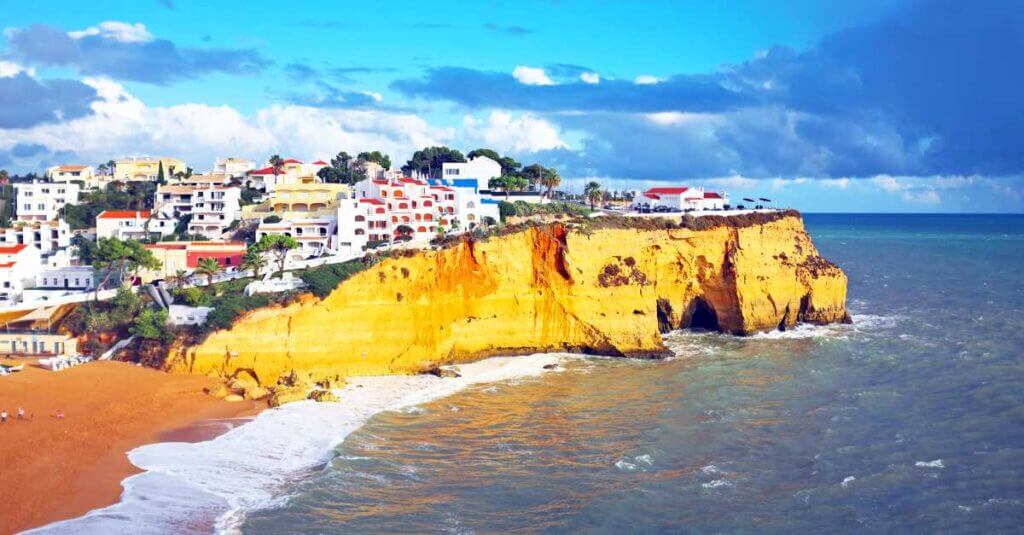
When most travelers think about Portugal’s islands, they imagine Madeira or the Azores. But beyond these famous names lies a world few have ever seen — the hidden islands Portugal quietly treasures in the Atlantic Ocean. These small, peaceful islands are the country’s best-kept secrets, filled with golden beaches, volcanic cliffs, and charming fishing villages untouched by mass tourism.
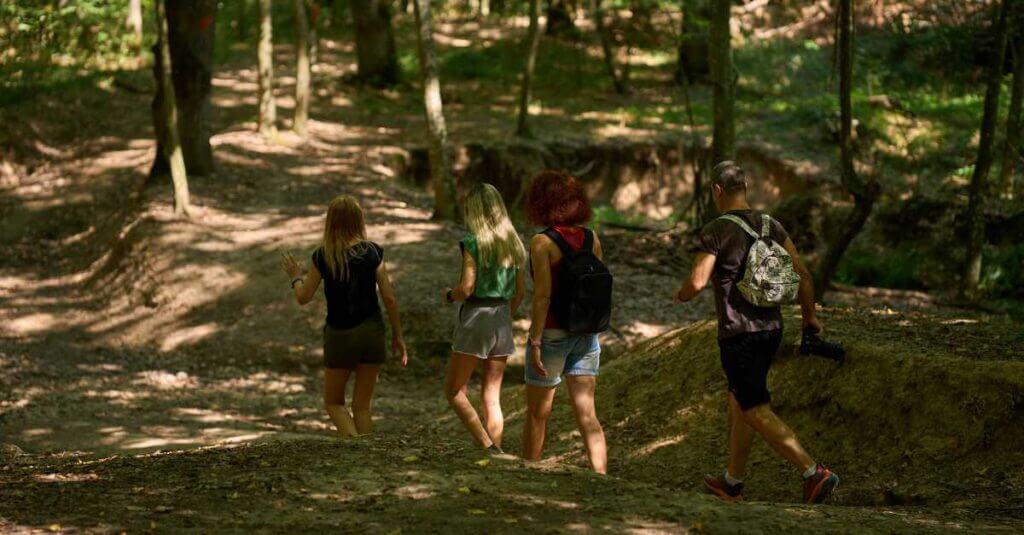
Imagine walking along a remote coastline where the only sounds are waves and seabirds, or hiking across a volcanic ridge where clouds drift right past you. The hidden islands of Portugal offer that kind of beauty — wild, quiet, and deeply real.
For travelers searching for something more meaningful than a typical resort trip, these islands are perfect. Each one offers something unique: the calm sands of Porto Santo, the green cliffs of Flores, and the fortress-studded coastline of the Berlengas. They show that Portugal’s magic extends far beyond the mainland — into the Atlantic, where time seems to slow down.
In this guide, you’ll explore five unforgettable hidden islands in Portugal, learn how to reach them, discover the best times to visit, and find out what makes each one so special.
Portugal’s Island Geography Explained
Portugal may look small on the map, but its territory stretches far beyond the mainland. In fact, the country controls a vast section of the Atlantic Ocean, filled with islands that are part of its history, culture, and natural beauty. These islands are divided into two main groups — Madeira and the Azores — but there are also smaller, lesser-known islands scattered along the Portuguese coast that many travelers overlook.
The Azores sit about 1,500 kilometers west of Lisbon. This group of nine volcanic islands is known for dramatic cliffs, hot springs, crater lakes, and green mountains. Each island has its own personality — from the vibrant capital of São Miguel to the quiet and remote Corvo. The Azores are popular with hikers, divers, and nature lovers who enjoy unspoiled scenery and mild weather year-round.
Closer to Africa, about 1,000 kilometers southwest of Portugal, lies Madeira, a small but breathtaking archipelago famous for its lush forests, dramatic coastlines, and welcoming locals. Most visitors go to Madeira Island itself, but there’s another smaller island nearby called Porto Santo — often referred to as Madeira’s peaceful neighbor.
Beyond these two archipelagos, Portugal also owns a few hidden island groups along its mainland coast. One of the most unique is the Berlenga Islands, a small archipelago near the fishing town of Peniche. These rocky islands, surrounded by clear blue waters and seabird colonies, are part of a protected nature reserve and feel like a completely different world despite being only a short boat ride from Lisbon.
Together, these islands — both near and far — reveal the full picture of Portugal’s maritime soul. From volcanic peaks in the middle of the Atlantic to secret coastal islets near the mainland, they show that Portugal’s true beauty goes far beyond what most travelers ever see.
5 Lesser-Known Islands to Visit
Portugal’s island territories are full of wonders, but some remain far off the radar — quiet, breathtaking, and largely untouched by mass tourism. These hidden gems offer the same dramatic landscapes, rich wildlife, and local warmth as the Azores and Madeira, but with fewer visitors and a stronger sense of peace. Here are five of the most fascinating hidden islands of Portugal that deserve a place on your travel list.
1. Porto Santo – Madeira’s Quiet Neighbor
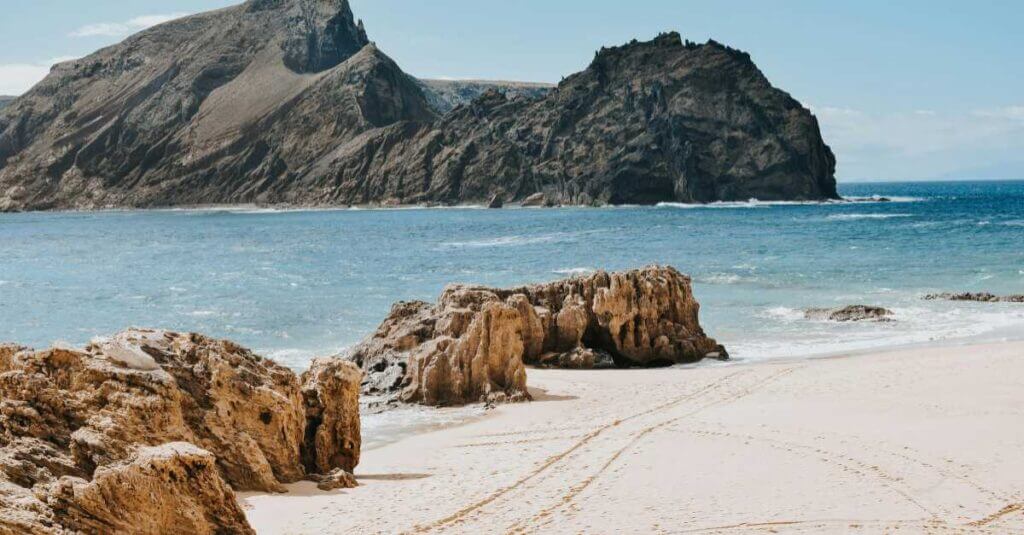
Just 40 kilometers northeast of Madeira, Porto Santo is a small island known for its golden sand and calm atmosphere. While Madeira is lush and mountainous, Porto Santo feels open and peaceful, with long beaches stretching for nearly 9 kilometers — perfect for walking, swimming, or simply relaxing in the sun.
The island is sometimes called “The Golden Island,” thanks to its warm sand that locals believe has healing properties for skin and muscles. Unlike other resort islands, Porto Santo has kept its charm. You’ll find small hotels, family-run restaurants, and locals who take pride in their slow, easy way of life.
For adventure, you can hike to Pico do Castelo for panoramic views or visit the small but fascinating Christopher Columbus Museum, dedicated to the famous explorer who once lived here. The island is also ideal for diving and snorkeling due to its clear waters and marine life. It’s a perfect choice for travelers who want the serenity of island life without the crowds of Madeira.
2. São Jorge – The Volcanic Beauty of the Azores
São Jorge is one of the most striking islands in the Azores, known for its tall cliffs, green ridges, and unique flat areas called fajãs — small pieces of land formed by ancient lava flows that now hold villages, farmlands, and lagoons. These fajãs make São Jorge a paradise for photographers and hikers.
The island is famous for its natural cheese (Queijo de São Jorge), considered one of the best in Portugal. You can visit small farms, walk through volcanic trails, and explore viewpoints that overlook both the ocean and nearby islands. One of the highlights is Fajã da Caldeira de Santo Cristo, where you can surf, swim in natural pools, or simply enjoy the peaceful setting surrounded by green cliffs.
São Jorge is quiet but full of character — it feels raw and real, with landscapes that change dramatically with the weather. For travelers who love hiking and nature, this island is pure magic.
3. Flores – The Wildest Island in the Azores
Flores, meaning “flowers” in Portuguese, lives up to its name. It’s the westernmost island in Europe, sitting on the edge of the Atlantic Ocean, covered in waterfalls, lakes, and endless greenery. With only a few thousand residents, Flores feels remote and wild — perfect for travelers who want to disconnect from everything.
Every corner of the island looks like a postcard. You can visit the famous Poço da Ribeira do Ferreiro, a breathtaking wall of waterfalls cascading into a green lagoon, or the Ribeira Grande, another stunning waterfall surrounded by lush vegetation. The lakes of Sete Lagoas offer peaceful picnic spots, while the small village of Fajã Grande is a perfect base for exploring the island.
Despite its isolation, Flores is safe and welcoming. The air is clean, the food is fresh, and the landscapes are unforgettable. This is one of those places where you truly feel the power of nature all around you.
4. Corvo – The Tiny Island Paradise
Corvo is the smallest inhabited island in the Azores — and one of the most special. With just one village, Vila do Corvo, and fewer than 500 residents, this tiny island feels like a world from another time. The pace of life here is slow, and everyone seems to know everyone else.
The island’s main attraction is Caldeirão, a massive volcanic crater with two small lakes and green slopes that make it look like something out of a fantasy movie. The hike to the crater’s edge offers incredible views of the island and the vast Atlantic beyond. Birdwatchers also love Corvo, as it’s a stopover point for migratory species from both Europe and America.
What makes Corvo truly unique is its sense of community. Visitors are warmly welcomed, and it’s common to be invited into someone’s home for coffee or homemade pastries. It’s the perfect destination if you want complete peace, nature, and genuine Portuguese hospitality.
5. Berlenga Islands – Portugal’s Secret Atlantic Fortress
Just off the coast of Peniche, about 90 minutes from Lisbon, lies the Berlenga Islands — a small archipelago that feels wild, rugged, and entirely different from the mainland. The main island, Berlenga Grande, is a protected nature reserve where turquoise waters crash against pink granite cliffs.
The island is best known for Fort São João Baptista, a 17th-century sea fortress built on the rocks and connected by a narrow bridge. It’s one of the most dramatic sights in Portugal and perfect for photography. You can also kayak through sea caves, snorkel in crystal-clear waters, or spot seabirds nesting on the cliffs.
Because the Berlengas are protected, only a limited number of visitors are allowed daily. There are no hotels, only a small campsite and a basic guesthouse, which keeps the island quiet and pristine. It’s ideal for a day trip or an overnight escape into pure nature.
Each of these hidden islands of Portugal offers a different kind of paradise — some wild, some peaceful, but all unforgettable. They prove that Portugal’s beauty doesn’t end at the mainland or its famous islands; it stretches deep into the Atlantic, waiting to be discovered by travelers who love adventure and authenticity.
How to Get There (Flights, Ferries, and Costs)

Reaching the hidden islands of Portugal might sound like an adventure in itself — and that’s part of the charm. Despite their remote beauty, these islands are surprisingly accessible thanks to Portugal’s excellent network of flights, ferries, and small regional connections. Here’s how to get to each of them and what to expect in terms of travel time and cost.
1. Porto Santo (Madeira Region)
The easiest hidden island to reach is Porto Santo, since it has a small airport and a regular ferry from Madeira Island. You can fly directly to Madeira’s capital, Funchal, from Lisbon or Porto with airlines like TAP Air Portugal, Ryanair, or EasyJet. From Funchal, flights to Porto Santo take just 25 minutes and cost around €40–€60 one way.
Alternatively, you can take the Porto Santo Line ferry, which runs once a day between Funchal and Porto Santo. The trip takes about 2.5 hours, offering amazing sea views along the way. Ticket prices range from €30–€60, depending on the season and seat type.
2. São Jorge (Azores)
São Jorge doesn’t have international flights, but it’s well-connected to the rest of the Azores. To reach it, first fly to São Miguel (Ponta Delgada) or Terceira (Lajes) — both have direct flights from Lisbon, Porto, and several European cities. Then take a short Azores Airlines or SATA Air Açores flight to São Jorge, which costs around €40–€80 and lasts 30–45 minutes.
If you prefer to travel by sea, ferries operated by Atlânticoline connect São Jorge with nearby islands like Pico and Faial, usually during spring and summer. Ferry tickets cost about €15–€25, making it a scenic and affordable option.
3. Flores (Azores)
Getting to Flores is slightly more challenging but totally worth it. There are no direct international flights — you’ll need to connect through São Miguel or Terceira. Domestic flights to Flores are available several times per week via SATA Air Açores, taking around 1.5 hours and costing between €70–€120, depending on the season.
During summer, you can also reach Flores by ferry from the nearby island of Corvo or occasionally from Faial or São Jorge, though these routes depend on weather conditions. It’s recommended to book flights in advance, as seats are limited and fill up quickly.
4. Corvo (Azores)
Since Corvo is the smallest island, access is limited but part of the fun. Most visitors fly to Flores first, then take a 15-minute island hopper flight operated by SATA Air Açores — one of the most scenic flights in Portugal. Tickets cost around €30–€50 one way.
In summer, small boats also connect Corvo and Flores daily. The crossing takes 40–60 minutes, and local operators in Fajã Grande or Santa Cruz das Flores can arrange trips for around €25–€35.
5. Berlenga Islands (Mainland Portugal)
The Berlenga Islands are the most accessible of all — located just off the central coast near Peniche, about 90 minutes from Lisbon by car or bus. Ferries to Berlenga Grande run daily from Peniche harbor between May and September. The crossing takes around 30 minutes, and round-trip tickets cost €20–€30 depending on the company.
It’s important to note that visitor numbers to the Berlengas are restricted to protect the fragile ecosystem, so it’s best to book ferry tickets online in advance, especially during summer.
Travel Tip:
Domestic flights in Portugal are generally reliable, but weather conditions — especially in the Azores — can cause occasional delays. Always plan a flexible itinerary with at least one buffer day between flights and island connections.
No matter which island you choose, the journey is part of the experience. From scenic ferry rides to short island flights, getting there is an adventure in itself — and when you finally step onto these remote shores, every minute of travel feels absolutely worth it.
Best Time to Visit Each Island
Choosing the right month can turn a good island trip into a perfect one. Weather, sea conditions, and crowds change a lot across the hidden islands of Portugal, so here’s a simple, practical guide for each place.
Porto Santo
Best overall: April to June and September to mid-October.
Spring and early autumn bring warm days, light breezes, and calmer seas — ideal for beach time and long walks on the 9-km golden shore. Summer is hottest and busiest, but still relaxed compared to bigger beach spots. Winter is mild, good for quiet escapes, but the ocean can be rough and some services run shorter hours.
São Jorge
Best overall: May to September.
This volcanic beauty shines when trails are dry and the famous fajãs are easy to reach. May and June are lush and green; July and August bring longer days and the best chance of flat seas for inter-island ferries. September is sweet for fewer crowds and warm water. Outside these months, rain and wind can limit hikes, and ferries may be irregular.
Flores
Best overall: June to September.
Flores is all about waterfalls, lakes, and wild cliffs, and they’re most accessible when paths are dry and skies are clearer. June offers flowers and bright greens; July and August bring the steadiest weather; September has softer light and fewer visitors. From October to May, expect more rain, strong swells, and occasional flight or ferry changes.
Corvo
Best overall: June to early October.
Plan Corvo with calm seas in mind. Summer gives the best chance of smooth boat crossings from Flores and clear views over the Caldeirão crater. In shoulder months, it’s still possible, but always check the forecast the day before. In winter, crossings and tiny island flights are more likely to be delayed by wind or fog.
Berlenga Islands
Best overall: late May to September.
Ferries run daily in season when the Atlantic is calmer and skies are sunny. June and September are the sweet spot for snorkelling, kayaking, and photo stops at Fort São João Baptista with fewer day-trippers. Outside summer, service is limited and seas can be choppy; some days have no boats at all.
Quick Planner by Theme
Beach first (calm water, swim): Porto Santo (May–Oct), Berlengas (Jun–Sep on calmer days).
Hiking and views: São Jorge (May–Sep), Flores (Jun–Sep), Corvo (Jun–Oct).
Ultra-quiet escapes: Porto Santo in winter for empty sands; Corvo in June or late September for peaceful trails.
Inter-island trips: Aim for summer, when ferries and small flights align more reliably across these hidden islands in Portugal.
Practical Timing Tips
Book flights and ferries early for July–August.
Keep one buffer day between islands, especially in the Azores, where weather can shift fast.
Morning departures face gentler winds more often than late-day sailings.
Carry a light rain jacket even in summer — quick showers are normal on these hidden islands of Portugal.
If photography is your focus, September’s softer light is magical on cliffs, crater rims, and fort walls.
Pick your month with your goals in mind — swimming, hiking, or pure silence — and these hidden islands of Portugal will meet you at their best.
Also Read: Hidden Villages in the Algarve: 9 Peaceful Towns Near Lagos & Sagres
FAQs About the Hidden Islands of Portugal
1. How many islands does Portugal have in total?
Portugal has 12 main inhabited islands and several small uninhabited ones, spread across the Azores, Madeira, and a few coastal islets like the Berlengas. Together, they make up one of Europe’s most diverse island systems.
2. Are the hidden islands of Portugal safe to visit?
Yes, they are very safe. Locals are friendly, crime is rare, and even solo travelers can explore freely. The only real concern is unpredictable weather, so always check forecasts and ferry schedules before traveling.
3. Do I need a visa to visit these islands?
If you can visit mainland Portugal without a visa (as part of the EU or the Schengen Zone), the same rule applies to the islands. For other travelers, standard Portuguese visa regulations apply.
4. Can I visit several islands on one trip?
Absolutely. Many travelers combine two or three islands in the Azores (for example, São Jorge, Pico, and Faial) or pair Madeira with Porto Santo. Ferries and short regional flights make multi-island trips easy, especially between May and September.
5. Are there hotels on the hidden islands?
Yes, but they’re small and limited. Expect guesthouses, eco-lodges, or simple family-run hotels rather than large resorts. On Corvo and Flores, advance booking is essential, as accommodations fill up quickly in summer.
6. Is it expensive to travel to these islands?
Not necessarily. Flights between islands are affordable, especially when booked early. Food and stays are reasonably priced, though logistics (like ferry transfers) can add up. The overall cost is similar to mid-range travel on the mainland.
7. Can I swim or dive around these islands?
Yes! Porto Santo, the Berlengas, and some parts of São Jorge and Flores have clear waters perfect for swimming, diving, and snorkeling. Always follow local safety advice, as ocean currents can be strong in some areas.
8. Are these islands good for families or only for adventurers?
Both. Porto Santo and São Jorge are great for families seeking gentle activities and relaxation. Flores, Corvo, and the Berlengas attract adventure travelers who enjoy hiking, nature, and peaceful isolation.
9. What language do locals speak on these islands?
Portuguese is the main language, but in most tourist-friendly areas, you’ll find people who speak some English, especially younger locals and hospitality staff.
10. How long should I stay on each island?
Two to three days are ideal for Porto Santo and the Berlengas. São Jorge and Flores deserve four to five days each for full exploration. Corvo can be visited as a day trip from Flores or enjoyed over a quiet weekend stay.
Conclusion: Discover Portugal’s Secret Islands
The hidden islands of Portugal are proof that paradise doesn’t have to be far away or crowded. From the golden beaches of Porto Santo to the wild cliffs of Flores and the volcanic mystery of Corvo, each island offers a different kind of magic — quiet, natural, and deeply authentic. These are the places where you can still feel the rhythm of the ocean, hear the wind in the hills, and see the stars without a single city light around.
Exploring these lesser-known islands is more than a trip; it’s an experience of slowing down and reconnecting with nature. You’ll find welcoming locals, simple but delicious food, and landscapes that stay with you long after you leave. Whether you come for hiking, swimming, photography, or just peace, you’ll discover that these islands hold the true soul of Portugal — wild, kind, and endlessly beautiful.
If you’re planning a journey soon, skip the crowds and venture beyond the familiar. The hidden islands of Portugal are waiting, ready to show you a side of the country most travelers never see. Pack light, stay curious, and let the Atlantic guide your way to moments of pure serenity.