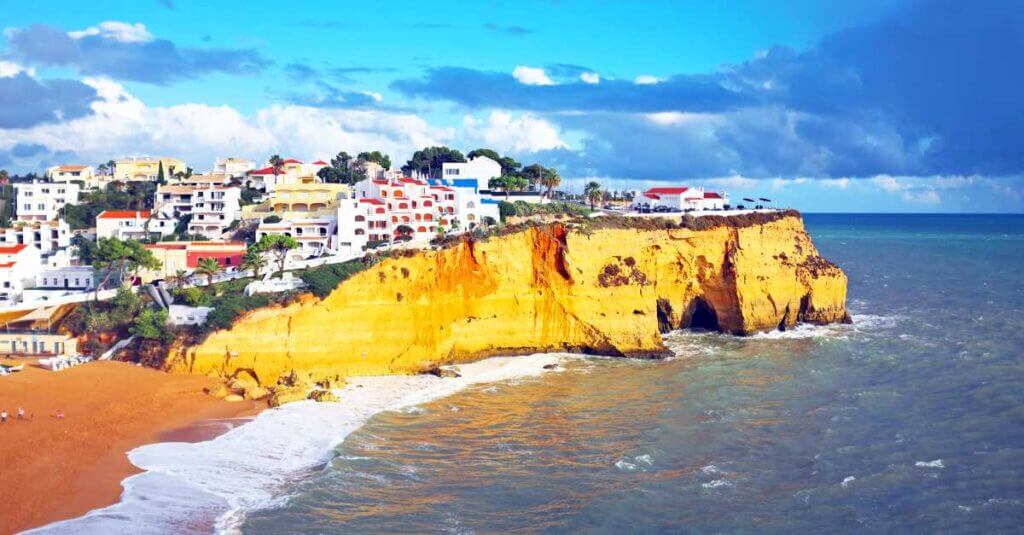
If you’ve ever dreamed of stepping into a postcard — where cobbled streets echo with history, castle walls whisper old stories, and time seems to pause — you’ll love exploring the historic towns Portugal is famous for. These towns capture the soul of the country: peaceful, charming, and filled with character.
Portugal’s rich past is written in stone. From medieval fortresses that once guarded the border to whitewashed villages that have barely changed in centuries, each town feels like a living museum. Wander through narrow alleys lined with flowered balconies, stop for coffee in a centuries-old square, or climb a castle tower to watch the sunset over tiled rooftops — every moment feels timeless.
What makes these towns so special is that they haven’t lost their essence. While modern life moves fast elsewhere, these places keep their rhythm slow and genuine. Here, locals still greet you with a smile, bakeries smell like freshly baked bread, and time seems to move in soft steps instead of hours.
In this guide, you’ll discover the most enchanting historic towns Portugal offers — each one filled with stories, architecture, and traditions that connect the past and present. We’ll also show you how to plan a road trip to see them all, plus a few UNESCO treasures you shouldn’t miss.
Why Portugal’s Historic Towns Matter
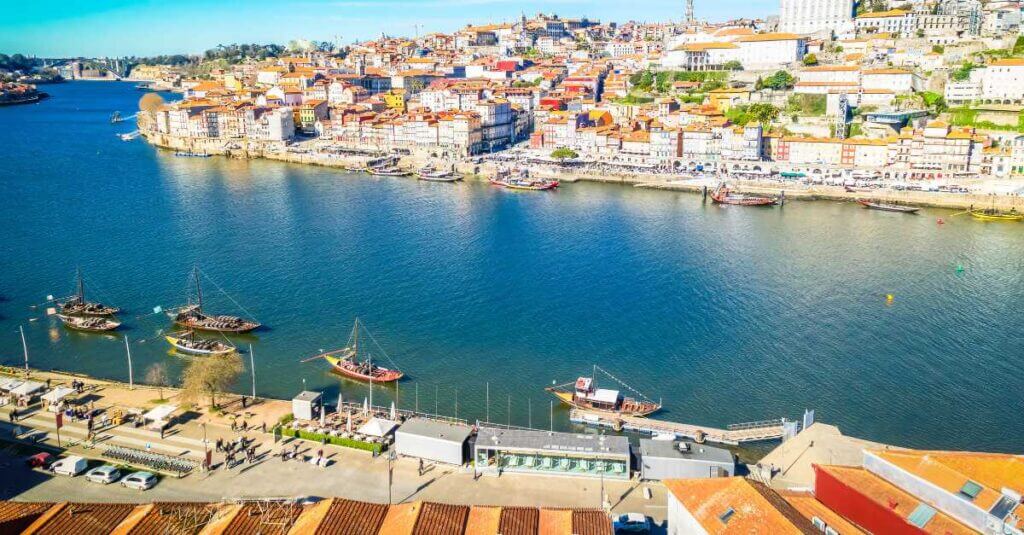
The historic towns Portugal is blessed with are more than just pretty places — they are living chapters of the country’s story. Each cobblestone, fortress wall, and tiled house carries centuries of culture, resilience, and beauty. Exploring them lets you understand Portugal far beyond its beaches and big cities.
A Window Into Portugal’s Past
These towns were once strategic fortresses, trade hubs, and royal retreats. Towns like Marvão and Elvas guarded the borders against invasions, while places such as Óbidos and Tomar were centers of art, faith, and learning. Walking through their streets is like traveling back in time. You can see Roman ruins beside Moorish towers and Gothic churches beside Renaissance mansions — all in one place.
What’s special is how well-preserved they are. Many have changed little over the last 500 years. Unlike modern cities that blend into each other, these towns keep their old character intact. The whitewashed houses, stone archways, and medieval castles make you feel part of history rather than just a visitor.
Authenticity and Slower Travel
In today’s fast world, these towns remind us to slow down. Life moves at a different pace here — one that encourages you to wander without a plan, talk to locals, and enjoy small details. It’s a kind of travel that feels more personal and peaceful.
Many of these places are small enough to explore on foot, which adds to their charm. You can stroll through alleys, stop at a viewpoint, and enjoy a traditional meal without worrying about traffic or crowds. This makes them perfect for travelers who value authentic experiences over tourist hotspots.
Cultural and Culinary Heritage
Beyond architecture, these historic towns are treasure chests of Portuguese culture. Each one has its own food traditions, festivals, and crafts. In Alentejo, you might try hearty bread soups and olive oil from local farms. In the north, you’ll find handmade textiles, regional pastries, and ancient wine traditions.
Visiting these towns helps preserve their culture. When you stay in local guesthouses, buy from artisans, or dine in family-owned restaurants, you’re supporting communities that keep these traditions alive.
A Photographer’s Dream
It’s hard to take a bad photo in these places. From sunlit castle walls to winding stone lanes and tiled facades, every corner tells a story. The light in Portugal, especially during sunrise and sunset, adds warmth and depth to every shot. If you’re a photographer or simply love beautiful scenes, the historic towns Portugal has to offer are a dream come true.
These towns matter because they remind us what travel used to be about — discovery, connection, and wonder. They show that beauty doesn’t always come from modernity but from time itself.
10 Most Charming Historic Towns
The true heart of Portugal doesn’t lie in its big cities or crowded beaches but in the quiet corners where time seems to have stopped. The historic towns Portugal proudly preserves are living stories of the past, filled with cobbled lanes, fortress walls, and whitewashed houses glowing in the sun. Each one carries the spirit of the people who built it, from Moorish rulers to medieval knights and village artisans. Whether you’re chasing history, romance, or simple beauty, these towns show the most authentic side of the country.
1. Óbidos – Portugal’s Fairytale Within Walls
Just one hour north of Lisbon, Óbidos feels like a page from a storybook. Enclosed by 13th-century walls, the town is a maze of narrow lanes lined with white houses trimmed in blue and yellow. Bougainvillea spills from balconies, and every corner feels made for photographs. The main attraction, Castelo de Óbidos, has been turned into a charming hotel where you can sleep inside ancient walls. Walk the ramparts for sweeping views of the countryside and red-tiled roofs. Try Ginjinha de Óbidos, a sweet cherry liqueur served in a chocolate cup, and if you visit in July, the Medieval Festival fills the streets with knights, music, and food stalls. During Christmas, the same streets turn into a glowing winter village that delights both locals and visitors.
2. Monsaraz – A Silent Guardian Over the Alentejo Plains
High above the golden fields of Alentejo, Monsaraz rests peacefully on a hill overlooking the vast Alqueva Lake. Surrounded by thick stone walls, it’s one of the most atmospheric historic towns Portugal has to offer. The village is tiny, but its charm lies in its silence. Walk along cobblestone alleys past whitewashed homes and small shops selling pottery and woven blankets. Climb the Monsaraz Castle for an endless view of vineyards, olive groves, and blue waters stretching toward Spain. As the sun sets, the village glows in golden light, and the wind carries the sound of distant church bells. Staying overnight lets you enjoy the calm after the day visitors leave and see the stars reflected in the lake below.
3. Marvão – A Fortress in the Clouds
Perched 860 meters high near the Spanish border, Marvão looks like a fortress floating above the world. Built on a granite ridge, it once guarded Portugal’s eastern frontier. Enter through its medieval gate and follow winding lanes to the Marvão Castle, where the view stretches endlessly across mountains and plains. Inside the walls, you’ll find stone cottages, flower-filled gardens, and quiet squares where time barely moves. In November, the town hosts the Chestnut Festival, celebrating autumn with roasted chestnuts, wine, and music. The crisp mountain air, silence, and sense of height make Marvão feel otherworldly, a perfect place for travelers who crave peace and panoramic beauty.
4. Silves – The Moorish Jewel of the Algarve
Before the Algarve was known for beaches, Silves was its Moorish capital. The town rises gently from the river Arade, crowned by its massive red sandstone castle. Climb the towers of Silves Castle for wide views over orange groves and rolling hills, then wander down to the Gothic Cathedral, built on the site of an old mosque. The narrow streets are lined with cafés serving fresh orange juice and almond sweets, a reminder of the region’s Arabic heritage. Each August, Silves transforms for the Medieval Fair, a ten-day festival of music, markets, and color. When the crowds fade, you’ll find a calm, sun-baked town that carries its history gracefully and quietly.
5. Elvas – The Star-Shaped Fortress Town
On the Alentejo plains near Spain, Elvas is one of the most extraordinary fortified towns in Europe and a UNESCO World Heritage Site. Its 17th-century walls form a giant star visible from above, designed to protect the kingdom during long wars. Walk the ramparts of the Forte da Graça for stunning sunset views, and visit the Amoreira Aqueduct, an engineering wonder stretching eight kilometers with four tiers of arches. Inside the old town, wander through tiled houses, baroque churches, and shady squares where locals gather for coffee. Despite its military grandeur, Elvas feels relaxed and welcoming, a place where you can explore at your own pace and feel history all around you.
6. Tomar – The Town of the Templars
Tomar is one of Portugal’s most fascinating towns, created by the Knights Templar in the 12th century. It later became the base for the Order of Christ, whose members helped lead the Age of Discoveries. The Convent of Christ, a UNESCO World Heritage Site, dominates the skyline with its round Charola Chapel, intricate carvings, and peaceful cloisters. The town below is just as charming, with tree-lined avenues, bridges over the Nabão River, and cafés serving pastries and coffee by the water. Every four years, Tomar hosts the Festa dos Tabuleiros, when residents parade through the streets carrying flower-covered trays on their heads in one of Portugal’s most colorful traditions. Tomar blends mystique, faith, and artistry in a way few places can match.
7. Sortelha – Where Time Stopped in Stone
In the Beira Interior mountains, Sortelha remains almost exactly as it was in the Middle Ages. It’s one of the twelve Aldeias Históricas de Portugal, a network of historic villages that preserve the country’s ancient heritage. Pass through its stone gate and you’ll enter a world of granite houses, steep lanes, and silence broken only by birds. The Castle of Sortelha sits high above, offering views across rugged hills that stretch endlessly. There are no crowds here, only the feeling of peace and timelessness. Visitors can enjoy a picnic near the walls, buy local honey or cheese, and imagine life as it was centuries ago. Sortelha is tiny but unforgettable, proof that true beauty often lies in simplicity.
8. Almeida – The Star Fortress of the North
Almeida, located near the Spanish border, is a masterpiece of military design. Built in the 17th century, it forms a twelve-pointed star when seen from above. Today, it’s one of the quietest yet most impressive historic towns Portugal offers. Enter through its massive gates to find narrow cobblestone streets, stone houses, and calm plazas. The Military Museum of Almeida tells the story of its battles and engineering, while the ramparts invite you to walk in near solitude. The geometry of the walls, the sound of wind through the grass, and the warm light of sunset give Almeida a poetic, almost dreamlike quality. It’s a place for travelers who love history, architecture, and quiet reflection.
9. Beja – The Romantic Heart of the Alentejo
Beja is the capital of southern Alentejo and one of its most romantic towns. Once a Roman outpost and later a Moorish fortress, Beja still carries traces of every era. The tall Beja Castle tower offers panoramic views over golden plains that stretch for miles. Inside the old convent of Nossa Senhora da Conceição, the Regional Museum houses religious art, medieval relics, and the famous 17th-century love letters of the “Nun of Beja,” whose secret romance became legendary. The town’s quiet cafés, tree-shaded squares, and slow pace make it perfect for travelers seeking calm and authenticity. Try local dishes such as açorda alentejana or porco preto with a glass of regional wine for a full taste of Alentejo tradition.
10. Castelo de Vide – The Sintra of the Alentejo
Surrounded by hills and springs, Castelo de Vide is often called the “Sintra of the Alentejo” because of its green landscape and gentle charm. At the top of the town stands the castle, whose walls give a sweeping view over whitewashed houses and the countryside beyond. Below lies the old Jewish Quarter, one of the best preserved in Portugal, with narrow alleys, flowered balconies, and the small Medieval Synagogue, now a museum. Castelo de Vide’s natural springs, leafy parks, and traditional markets create a welcoming, almost romantic mood. It’s a town where you can walk aimlessly, hear church bells echo through the hills, and feel that time has slowed just for you.
Together, these ten historic towns Portugal treasures are more than destinations. They are living pieces of history that reveal the soul of the country — humble, graceful, and full of stories waiting to be discovered by those who travel with curiosity and heart.
How to Plan a Heritage Road Trip

Exploring the historic towns Portugal is famous for is best done by road. A well-planned route lets you experience medieval castles, quiet villages, and breathtaking landscapes — all at your own pace. Whether you have a few days or a week, a heritage road trip through Portugal is one of the most rewarding ways to travel. Here’s a detailed guide to help you plan it perfectly from start to finish.
Choose Your Base and Trip Duration
If you’re starting from Lisbon, you’re in the perfect position to explore the central and southern towns like Óbidos, Tomar, Elvas, and Monsaraz. If your focus is on the north, you can begin from Porto and include Sortelha, Almeida, and Beja in your route.
For a short 3-day itinerary, focus on Lisbon → Óbidos → Tomar → back to Lisbon. You’ll get a taste of history, medieval charm, and Templar heritage in one quick loop.
For a 5–7-day road trip, extend your route south and include Évora, Monsaraz, Marvão, and Elvas — this is the perfect blend of Alentejo beauty and fortified towns.
If you have 10 days or more, continue to Beja, Silves, and Castelo de Vide, or add northern gems like Almeida and Sortelha. This allows for a slower, more immersive trip through different regions.
Best Seasons to Go
Spring (March to June) and autumn (September to November) are the best times for a heritage road trip. The weather is mild, landscapes are colorful, and crowds are light. During spring, the Alentejo plains turn green and full of flowers. In autumn, the golden light makes stone towns and castles glow beautifully, especially at sunset. Summer can be hot in inland areas, while winter is quiet and great for low-season travel.
Driving and Navigation Tips
Portugal’s highways are modern and easy to drive, but the smaller national roads are where you’ll find the real charm. Rent a small car, as old towns often have tight lanes and limited parking. Most highways are tolled — renting a Via Verde transponder allows you to pass electronic tolls without stopping. Always drive slowly near villages, and park outside old walls when possible to avoid getting stuck in narrow alleys.
Use Google Maps or offline apps like Maps.me for navigation. Each historic town has parking areas marked “Parque de Estacionamento,” usually free or under €3 per hour. Many towns are best explored on foot — wear comfortable shoes since most streets are cobbled.
Where to Stay
For the full experience, spend at least one night inside or near the historic center. In towns like Óbidos, Tomar, and Marvão, you can even stay in restored castles or manor houses. For smaller villages like Sortelha or Monsaraz, book early since accommodation is limited. Guesthouses and rural homes (known as “casas rurais”) offer cozy stays, homemade breakfasts, and the chance to meet locals who often share stories and travel tips.
Suggested Routes
For first-timers, a classic route starts in Lisbon and loops through the center and Alentejo: Lisbon → Óbidos → Tomar → Castelo de Vide → Marvão → Elvas → Évora → Monsaraz → Beja → Silves → back to Lisbon. This covers the most iconic historic towns Portugal has to offer, blending medieval, Moorish, and Renaissance influences.
If you’re traveling from Porto, go south through the interior: Porto → Viseu → Sortelha → Almeida → Tomar → Évora → Lisbon. This route focuses more on northern and central fortresses.
Pacing Your Trip
Two towns per day is the ideal pace. Spend the morning exploring one, drive in the afternoon, and reach your next stop by sunset. Use midday for travel and lunch in local taverns. Every town has at least one viewpoint (miradouro) worth visiting for golden-hour photos. Don’t rush — these towns are best enjoyed slowly.
Budgeting and Costs
Fuel prices in Portugal average around €1.8–€2 per liter, and distances between towns are short, so a 5-day road trip typically covers 500–700 km. Accommodation in historic towns ranges from €60 to €100 per night. Meals at local restaurants cost €10–€20 per person, including wine. Most castles and museums charge €2–€10 entry, but the best experiences — walking old walls or watching the sunset from a rampart — are completely free.
Local Etiquette and Safety
Portuguese drivers are polite but sometimes fast on rural roads, so stay alert. Always greet locals with a friendly “Olá” or “Bom dia.” In small towns, shops often close for lunch between 1 p.m. and 3 p.m., so plan accordingly. Avoid driving at night through rural areas where lighting can be minimal. Portugal is generally very safe, and locals are happy to help travelers.
Add Extra Experiences
A heritage road trip doesn’t have to be only about castles. Combine it with local food and wine tasting, scenic walks, or visits to nearby natural parks. Stop in Alentejo for olive oil tasting, in the Douro region for wine cellars, or near Castelo de Vide for thermal springs. If you enjoy photography, plan your drives for sunrise or sunset — the light over Portugal’s hills is magical.
Pro Tips for Heritage Travelers
Always carry cash for small towns that may not accept cards. Bring a reusable water bottle, as public fountains often have drinkable water. If you want to visit monasteries or churches, wear modest clothing. And most importantly, keep your schedule flexible — the best moments often happen when you take a spontaneous turn or linger in a quiet square.
A heritage road trip through the historic towns Portugal treasures is not just a vacation; it’s a moving journey through centuries. You’ll drive through landscapes that shift from green valleys to golden plains, pass through stone gates that once guarded kingdoms, and end each day in a place where time slows and stories live on in every wall.
Also Read: Portugal Wine Routes – Affordable & Authentic Vineyard Journeys for Beginners
UNESCO Sites Worth a Detour
While exploring the historic towns Portugal is known for, you’ll also pass near several UNESCO World Heritage Sites that are absolutely worth adding to your itinerary. These locations tell the story of Portugal’s global influence, from medieval times to the Age of Discoveries. Each site is unique, combining history, architecture, and culture in a way that perfectly complements your heritage road trip.
Convent of Christ – Tomar
If you’re already visiting Tomar, you can’t miss its crown jewel: the Convent of Christ, one of Portugal’s greatest architectural masterpieces. Originally founded by the Knights Templar in the 12th century, it became the headquarters of the Order of Christ, which sponsored explorers like Vasco da Gama. The Convent’s most iconic feature is the Charola, a circular chapel richly decorated with frescoes and gold detailing. Don’t skip the Manueline Window, an intricate stone carving that symbolizes Portugal’s maritime age. Exploring this complex feels like walking through chapters of history — every cloister and corridor holds centuries of stories.
Évora – Museum City of Alentejo
Évora, located in the Alentejo region, is one of Portugal’s most complete and best-preserved historic cities. Declared a UNESCO World Heritage Site in 1986, it’s often described as an open-air museum. The town’s centerpiece is the Roman Temple of Évora, built in the 1st century and dedicated to Emperor Augustus. Stroll through the old streets to find the Sé Cathedral, one of Portugal’s oldest Gothic churches, and the eerie yet fascinating Chapel of Bones (Capela dos Ossos), whose walls are lined with human skulls and bones — a reminder of life’s fragility. Évora also offers charming squares, traditional markets, and regional restaurants serving Alentejo cuisine at its finest.
Monastery of Batalha
Situated between Lisbon and Coimbra, the Batalha Monastery is one of Portugal’s most striking Gothic monuments. It was built to commemorate the Portuguese victory over Castile in 1385 and took more than a century to complete. Its ornate Manueline details, stained-glass windows, and the Unfinished Chapels make it one of Europe’s most remarkable buildings. The play of light inside the church creates an atmosphere of peace and reverence that travelers often find unforgettable. Visiting Batalha on your way between central towns adds a grand historical touch to your journey.
Elvas – The Garrison Border Town
If you plan to visit Elvas, you’re already heading to one of Portugal’s most unique UNESCO sites. The entire town was listed for its military fortifications, considered some of the best-preserved in Europe. The star-shaped walls and bastions that surround Elvas were built in the 17th century to defend against invasions, making it a masterpiece of military engineering. Walk the Forte de Nossa Senhora da Graça and Forte de Santa Luzia, and you’ll see why historians call Elvas the “Guardian of the Frontier.” The system of defenses, tunnels, and panoramic viewpoints makes it an essential stop for anyone fascinated by strategy and design.
Douro Valley – The Oldest Demarcated Wine Region
If your route stretches north, consider a detour to the Douro Valley, another UNESCO World Heritage Site. It’s the world’s oldest officially demarcated wine region, shaped by terraced vineyards carved into the steep riverbanks. A drive or train ride along the Douro River reveals incredible views and timeless beauty. Stop at a family-run winery for tastings of Port and table wines, and learn about traditional winemaking methods still used today. The Douro combines nature, culture, and craftsmanship in a way that defines Portuguese identity.
Coimbra – The University City
The University of Coimbra is one of the oldest universities in Europe and another UNESCO-listed site. Founded in 1290, it helped shape the nation’s intellectual and cultural life. Walk through the Joanina Library, a baroque masterpiece lined with gilded wood and ancient books, or step into the university courtyard for panoramic views over the city. Coimbra’s mix of scholarly history, Fado music, and medieval charm makes it a fascinating detour if you’re traveling between Lisbon and Porto.
Visiting these UNESCO sites along your route not only adds depth to your journey but also reveals Portugal’s extraordinary range — from fortress towns and sacred convents to scholarly cities and peaceful vineyards. Each site connects beautifully with the historic towns Portugal is built upon, creating a seamless story of culture and time.
For more information about UNESCO heritage sites and cultural preservation, visit the official tourism page at https://whc.unesco.org/en/statesparties/pt.
Quick Travel Reference Table
| Town / Site | Region | Famous For | Top Attractions | Best Time to Visit | Average Cost (Stay & Meals per Day) |
|---|---|---|---|---|---|
| Óbidos | Central Portugal | Walled medieval village | Óbidos Castle, Ginjinha, Medieval Festival | March–June, September–December | €80–€120 |
| Monsaraz | Alentejo | Hilltop whitewashed town | Monsaraz Castle, Alqueva Lake, craft shops | March–June, September–November | €70–€100 |
| Marvão | Alto Alentejo | Mountain fortress town | Marvão Castle, Chestnut Festival | April–June, October–November | €60–€90 |
| Silves | Algarve | Moorish history & red castle | Silves Castle, Gothic Cathedral, Medieval Fair | March–May, September–October | €80–€110 |
| Elvas | Eastern Alentejo | UNESCO fortress city | Forte da Graça, Aqueduct, City Walls | April–June, September–November | €70–€100 |
| Tomar | Central Portugal | Knights Templar heritage | Convent of Christ, Festa dos Tabuleiros | March–June, September | €90–€130 |
| Sortelha | Beira Interior | Granite medieval village | Castle ruins, stone arch gate, scenic walks | April–June, September–October | €60–€80 |
| Almeida | Northern Portugal | Star-shaped fortress | Military Museum, fortress walls | April–June, September | €60–€90 |
| Beja | Alentejo | Roman & Moorish roots | Beja Castle, Regional Museum, old convents | April–June, September–October | €70–€100 |
| Castelo de Vide | Northern Alentejo | Jewish heritage & springs | Castle, Jewish Quarter, Synagogue Museum | March–June, September–October | €70–€100 |
Frequently Asked Questions (FAQs)
What makes Portugal’s historic towns special?
They preserve Portugal’s culture and architecture in a way few places in Europe do. The historic towns Portugal offers are still alive — people live in them, traditions continue, and centuries-old buildings are lovingly maintained.
How many historic towns should I visit on one trip?
If you’re traveling for a week, 6 to 8 towns is ideal. It allows you to enjoy each place without rushing. For a short 3-day trip, focus on Óbidos, Tomar, and Évora.
Are these towns suitable for families?
Yes. Most are safe, walkable, and peaceful. Children will enjoy exploring castles, towers, and medieval walls. Many local restaurants are family-friendly and offer simple, fresh meals.
Do I need a car to visit the historic towns?
Having a car makes your trip much easier, especially for small towns like Monsaraz, Sortelha, or Marvão that have limited public transport. Roads are good, and distances are short.
What’s the best time of year to visit?
Spring (March–June) and autumn (September–November) are best for comfortable weather and fewer tourists. Summer can be hot inland, while winter is cool and quiet — perfect for photography and solitude.
Can I stay inside historic centers?
Yes, many old buildings have been turned into small guesthouses, inns, or even castle hotels. Staying inside the walls gives you the full experience of living history and waking up to centuries-old views.
Are these towns expensive?
No. Most historic towns Portugal offers are affordable. Expect to spend between €80 and €120 per day including meals, stays, and entry fees. Even UNESCO towns like Évora or Elvas are budget-friendly compared to big cities.
Is English widely spoken?
In most tourist areas and by younger locals, yes. In smaller villages, basic English might be limited, but people are warm and helpful — a few Portuguese words like “Olá” (hello) and “Obrigado” (thank you) go a long way.
What foods should I try?
Each region has specialties. Try açorda (garlic bread soup) and porco preto (black pork) in Alentejo, pastéis de nata (custard tarts) in central towns, and almond sweets in the Algarve. Pair everything with local wines or olive oil.
How safe are Portugal’s historic towns?
Portugal is one of Europe’s safest countries. Crime rates are low, and even at night, small towns are peaceful. Just use normal precautions and avoid leaving valuables in your car.
Conclusion
Exploring the historic towns Portugal treasures is like stepping into a living history book. Each stone, tower, and alleyway whispers stories of kings, sailors, and artisans who helped shape the country’s identity. Traveling through these places isn’t just sightseeing — it’s an experience that connects you deeply with Portugal’s heart and rhythm.
From the fairytale walls of Óbidos to the silent heights of Marvão, from the star-shaped defenses of Elvas to the Moorish elegance of Silves, every town has a soul of its own. The further you travel inland, the more you’ll feel Portugal’s authenticity — peaceful mornings, long lunches, friendly smiles, and sunsets that bathe the old rooftops in gold.
A heritage road trip through these towns allows you to slow down, reflect, and appreciate the small things that make travel meaningful. You can taste homemade wine, talk with local shopkeepers, stay in centuries-old guesthouses, and hear church bells echo through the hills. These are the moments that make you fall in love with Portugal all over again.
At SimpleTravelPath.com, we believe that travel isn’t about rushing from place to place — it’s about finding meaning and beauty in every journey. The historic towns Portugal offers are proof that time, when preserved with care, becomes timeless. So pack your bags, take the scenic route, and let the charm of these places remind you that the past is still alive for those who take the time to see it.