There’s something special about exploring a country by train — the rhythm, the changing views, and the sense of calm that comes with watching the world roll by. In Portugal, train travel is more than just a way to get from one place to another; it’s an experience that reveals the country’s real charm. Away from the tourist buses and crowded highways, scenic train rides Portugal offer a front-row seat to rolling vineyards, coastal cliffs, ancient towns, and quiet villages that most visitors never see.
For travelers who love slow, thoughtful journeys, Portugal’s rail network is a hidden treasure. You can sip coffee while gliding past the golden Douro River, pass through the fairytale forests of Sintra, or follow the sunny southern coast all the way to the Algarve — all for just a few euros.
Beyond the beauty, train travel in Portugal is also easy, affordable, and eco-friendly. You don’t need to drive or worry about parking; you can simply sit back and enjoy the view. In this guide, we’ll show you why train travel is one of the best ways to explore Portugal, reveal the most scenic routes few tourists know, and share insider tips on how to get the best tickets, what to expect on board, and how to make your trip even more memorable.
Benefits of Train Travel in Portugal
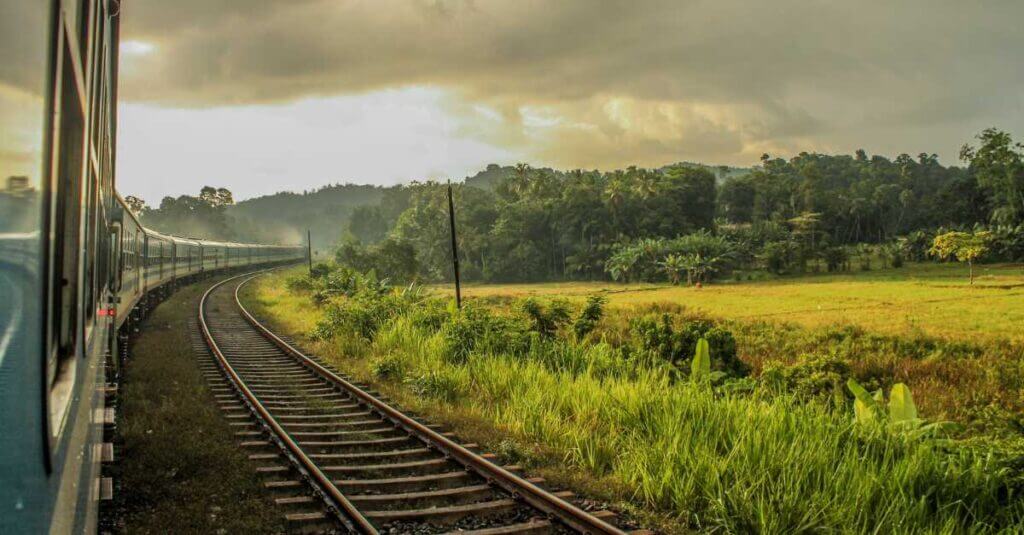
Traveling by train in Portugal is one of the most relaxing and rewarding ways to explore the country. Unlike rushing through highways or crowded tourist buses, trains allow you to slow down and truly enjoy the journey. For travelers seeking beauty, comfort, and authenticity, scenic train rides Portugal deliver the perfect mix of convenience and experience.
1. Affordable and Accessible
Portugal’s railway network, operated by Comboios de Portugal (CP), connects nearly every major city and region. Ticket prices are surprisingly low compared to other parts of Europe, with journeys like Lisbon to Porto costing as little as €15 if booked early. Regional routes — the ones that pass through small towns and scenic countryside — are even cheaper. This makes train travel perfect for budget travelers, families, and digital nomads looking to move freely without renting a car.
2. Comfort and Ease of Travel
Trains in Portugal are comfortable and well-maintained. The seats are spacious, air-conditioned, and often equipped with power outlets and Wi-Fi on long-distance lines. You can read, work, or simply gaze out the window while the scenery changes from vineyards to beaches. There’s no airport security or long check-ins — you just show up a few minutes before departure, board, and go.
3. Eco-Friendly and Sustainable
If you care about sustainable travel, train journeys are one of the greenest ways to explore. Portugal has made big efforts to reduce carbon emissions by upgrading electric lines and modernizing trains. By choosing scenic train rides Portugal, you’re not only enjoying beautiful views but also helping protect them for the future.
4. Access to Hidden Destinations
Many of Portugal’s lesser-known gems are easily reached by train. You can glide past the terraced vineyards of the Douro Valley, explore medieval towns like Tomar, or step off the train into a fairytale setting in Sintra. These local train lines reveal parts of the country tourists rarely see — where time moves slower and life feels more authentic.
5. A Journey Through Culture
From the chatter of locals on regional trains to the sound of waves outside the window along the Algarve coast, train travel gives you an intimate connection to Portuguese life. Every journey feels like a story, filled with small details — a fisherman carrying his morning catch, a grandmother waving goodbye, or a student reading poetry by the window.
At SimpleTravelPath.com, we believe that travel isn’t just about reaching a destination — it’s about how you get there. And in Portugal, trains make every mile part of the adventure.
Top Scenic Routes to Experience
Portugal’s train network is filled with hidden gems that few tourists ever explore. From winding rivers to ancient towns and sunlit coastlines, these journeys offer a front-row seat to the country’s most beautiful landscapes. Whether you’re chasing mountain views or ocean horizons, these scenic train rides Portugal promise unforgettable experiences that feel both peaceful and inspiring.
Porto → Douro Line (Wine Valley Views)
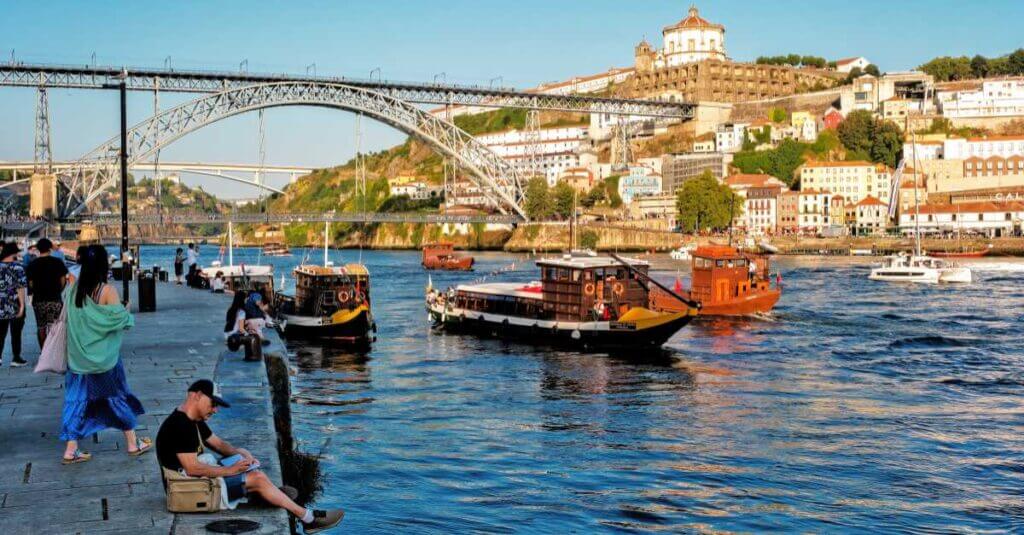
This is easily one of the most famous and breathtaking train journeys in Portugal. Starting from Porto’s São Bento Station, the Douro Line follows the Douro River deep into wine country. As the train glides east, the scenery transforms from city streets into endless terraced vineyards, olive groves, and river bends that shimmer under the sun.
The journey to Pinhão or Peso da Régua takes about two hours and offers some of the most dramatic views in Europe. You’ll pass through tunnels carved into cliffs, see small whitewashed villages tucked into the hills, and even catch glimpses of the traditional rabelo boats once used to transport wine barrels. It’s a slow, scenic ride best enjoyed with a camera in hand — and perhaps a plan to stop for a wine tasting before returning.
Lisbon → Sintra Line (Palaces & Forests)
The short 40-minute trip from Lisbon to Sintra is one of the most magical train rides in the country. Departing from Rossio Station, the train travels through leafy suburbs before reaching Sintra — a UNESCO World Heritage site famous for its pastel-colored palaces and misty forests.
While most tourists visit Sintra as a day trip, the train ride itself is part of the experience. The final stretch feels like entering a fairy tale: dense greenery, cool mountain air, and glimpses of castles peeking through the trees. Once you arrive, you can explore Pena Palace, Quinta da Regaleira, and local cafés serving traditional travesseiros pastries.
Lisbon → Algarve (Coastal Landscapes)
If you dream of seeing Portugal’s sun-soaked coastline from the comfort of your seat, this route is for you. The journey from Lisbon to the Algarve region takes around four hours and offers ever-changing scenery — wide plains, orange groves, white villages, and finally the blue shimmer of the Atlantic Ocean.
The southern towns of Faro, Lagos, and Tavira are all connected by rail, making it easy to explore the Algarve without a car. Sit on the right side of the train for the best sea views, especially near Albufeira. These scenic train rides Portugal show how diverse the landscape becomes as you travel south — from city bustle to coastal calm.
Coimbra → Aveiro (Canals & Countryside)
Often overlooked by travelers, this short route offers a peaceful glimpse into Portugal’s countryside. The line between Coimbra and Aveiro passes through gentle farmlands and quiet villages before reaching what’s known as “The Venice of Portugal.”
Aveiro’s colorful canals, moliceiro boats, and art-nouveau buildings create a charming destination just an hour away from Coimbra. This trip is perfect for travelers who love photography, architecture, and the calm rhythm of local life. Don’t forget to try ovos moles, a sweet treat made from egg yolk and sugar, unique to Aveiro.
Entroncamento → Tomar (Historic Temples)
This lesser-known route is one of Portugal’s best-kept secrets. The short ride from Entroncamento to Tomar winds through green valleys and peaceful woods, leading to one of the country’s most historic towns. Tomar is home to the Convent of Christ, a UNESCO World Heritage site built by the Knights Templar.
The train journey is calm and scenic, with views of rural life and rolling hills. It’s a perfect day trip for travelers interested in history, spirituality, and medieval architecture. Tomar’s cobblestone streets and riverside cafés are ideal for slow exploration after your ride.
Each of these routes shows a different face of Portugal — from river valleys to ancient forests and sunny coastlines. Together, they make up some of the most memorable scenic train rides Portugal has to offer, letting you see the country at its most authentic and beautiful.
How to Book Cheap Train Tickets (CP.pt Tutorial)
Booking your train journey in Portugal is simple, fast, and budget-friendly. The official railway company, Comboios de Portugal (CP), makes it easy for travelers to buy tickets online or in person. Whether you’re planning to explore the Douro Valley, Sintra, or the Algarve coast, knowing how to use the system can save you money and time — especially if you book in advance.
Here’s a complete step-by-step guide to help you get the best deals for your scenic train rides Portugal.
Step 1: Visit the Official Website or App
Go to www.cp.pt — the official website of Comboios de Portugal. You can switch the site to English by clicking the flag icon at the top right. If you prefer mobile, CP also has an app available for both Android and iOS.
The homepage features a clear “Buy Ticket” option where you can enter your departure and destination cities. You’ll also see timetable options and special discounts displayed right on the home screen.
Step 2: Choose Your Route and Date
Type in your starting point (e.g., Lisbon, Porto, or Coimbra) and your destination (such as Sintra, Tavira, or Tomar). Select your travel date and whether it’s a one-way or return ticket.
If you’re flexible, consider checking different days — sometimes moving your trip by one day can save up to 40% on fares. Portugal’s ticket system rewards early booking, especially for long-distance routes like Lisbon–Porto or Lisbon–Faro.
Step 3: Select the Train Type
Portugal has three main categories of trains, each suited for a different type of traveler:
- Alfa Pendular (AP): Fast, modern, and very comfortable. Connects major cities like Lisbon, Porto, and Faro.
- Intercidades (IC): Slightly slower but still fast and affordable. Great for long-distance travel.
- Regional or Urbano Trains: Perfect for short and scenic routes, like the Douro Valley or Lisbon–Sintra line.
For the best scenic train rides Portugal, regional and Intercidades routes are often more rewarding since they pass through local villages and natural landscapes.
Step 4: Pick a Seat and Review the Price
Once you select your train, you’ll see a seating map (on longer routes). You can choose a window seat for the best views, especially on the Douro Valley or Algarve lines.
The ticket price will appear next to your selection. Look out for the “Promo” or “Discount” fares, which can be 30% to 60% cheaper than standard tickets. These are available only online and in advance.
Step 5: Payment and Confirmation
You can pay using major credit cards or PayPal. After payment, your ticket will be emailed to you in PDF format. You can either print it or show it on your phone when the ticket inspector passes through.
There’s no need to validate tickets bought online — they’re already activated for your selected journey.
Step 6: At the Station
If you prefer to buy tickets in person, every major train station (Lisbon’s Santa Apolónia or Porto’s Campanhã) has electronic ticket machines and help desks. You can pay by card or cash. However, lines can be long during weekends or holidays, so online booking remains the best option.
Extra Money-Saving Tips
- Book Early: Prices rise closer to the travel date, especially for Alfa Pendular and Intercidades.
- Use the CP Card: Locals and long-term visitors can apply for a discount card (Cartão Jovem, Senior, or Rail Pass).
- Travel Off-Peak: Trains are cheaper on weekdays and mid-mornings.
- Combine Routes: Instead of direct express trains, try regional lines for more scenic and affordable trips.
Booking through CP.pt is simple and reliable. Within minutes, you can secure seats on one of the most scenic train rides Portugal offers, ensuring a relaxed and affordable way to see the country at its most beautiful.
What to Expect Onboard

Traveling by train in Portugal is more than just transportation — it’s part of the adventure itself. Whether you’re gliding through vineyards, crossing rivers, or cruising along the coast, the onboard experience on scenic train rides Portugal is designed to make your journey comfortable, calm, and memorable.
Comfortable Seating and Spacious Cabins
Portuguese trains, especially the Alfa Pendular and Intercidades, offer wide, cushioned seats with plenty of legroom. Many seats have foldable tables, power outlets, and even small reading lights. Windows are large and clean, giving you a perfect view of Portugal’s countryside and coastlines. If you love watching the scenery, book a window seat when possible — especially on routes like Porto to Pinhão or Lisbon to Faro.
Regional trains are simpler but still cozy. They often have open cabins, big windows, and a relaxed local feel. You might sit next to a friendly local traveler eager to share stories or recommendations about the next town.
Wi-Fi and Power Outlets
Most long-distance trains have free Wi-Fi, though connection strength can vary in rural areas. Outlets for charging laptops or phones are available in most first- and second-class cars, which is especially useful for remote workers and digital nomads. On regional trains, Wi-Fi may not always be available, so it’s best to download maps or playlists before departure.
Quiet and Scenic Ambiance
One of the greatest joys of scenic train rides Portugal is the peaceful rhythm of the journey. Unlike buses or flights, trains offer quiet comfort — the soft clatter of wheels, gentle curves, and landscapes rolling by like a moving postcard. You’ll pass through vineyards, forested valleys, small villages, and coastal stretches where the Atlantic glitters just meters away.
Trains like the Douro Line and the Sintra Line are especially popular with photographers. Keep your camera ready; every turn seems to reveal a new postcard view.
Onboard Amenities
On longer routes such as Lisbon–Porto or Lisbon–Faro, you’ll often find a café car serving coffee, sandwiches, snacks, and Portuguese pastries. The quality is surprisingly good, and prices are reasonable. You can also bring your own food and drinks onboard, which is great for picnicking during longer rides.
Restrooms are clean and regularly maintained, even on regional trains. It’s wise to carry tissues or hand sanitizer, especially on older carriages.
First Class vs. Second Class
If you’re wondering whether it’s worth upgrading, here’s the difference:
- First Class: Wider seats, quieter cabins, and sometimes complimentary newspapers or water. Perfect for longer routes or when you want a peaceful, productive ride.
- Second Class: Still very comfortable and more social. Most travelers choose this option because it offers the same beautiful views for a lower price.
For most routes, especially the regional and scenic ones, second class is more than enough.
Local Experience
Train travel in Portugal offers an authentic look at daily life. You’ll often see students commuting, farmers returning from markets, or families heading to nearby towns for the weekend. The relaxed environment makes it easy to strike up conversations and get insider tips from locals.
As the train winds through riversides, vineyards, or coastal cliffs, you’ll realize that these are not just train rides — they’re windows into the soul of Portugal. Every journey is a reminder that the best way to see a country isn’t always fast; sometimes it’s slow, scenic, and full of wonder.
Also Read: Portugal Hidden Gems You Must Visit: 21 Underrated Towns and Villages
Tips for Eco-Friendly Rail Travel
Choosing to travel by train already makes you one of the most sustainable travelers out there. But with a few extra steps, you can make your scenic train rides Portugal even more eco-friendly and responsible. Portugal’s natural beauty — its green hills, golden valleys, and pristine coasts — deserves to be preserved for future generations, and your travel choices can make a big difference.
1. Travel Light and Smart
Packing light not only makes your trip easier but also reduces the train’s overall energy use. Trains consume slightly more power with heavier loads, so carrying less helps the environment in small but meaningful ways. A compact suitcase or backpack also makes boarding and moving between trains smoother.
2. Choose Digital Tickets
Instead of printing tickets, use mobile e-tickets available through CP.pt or the CP app. Showing your ticket on your phone eliminates paper waste and makes check-ins quicker. Digital tickets are accepted on all routes, from Lisbon to the Algarve and Porto to Douro.
3. Support Local and Sustainable Businesses
When your train stops in smaller towns like Tomar, Tavira, or Amarante, choose to eat at family-run restaurants or shop at local markets. This keeps your travel spending within the community and reduces the environmental footprint caused by large-scale tourism. At SimpleTravelPath.com, we always encourage travelers to support local artisans, small cafés, and eco-lodges along their route.
4. Bring a Reusable Water Bottle and Snack Box
Many of Portugal’s scenic routes last between one to four hours, so bring a reusable bottle and small snack box. You can refill water at the station or café car instead of buying plastic bottles. Trains don’t have strict food policies, so you can easily enjoy your own sandwiches, fruits, or pastries on board while keeping your trip waste-free.
5. Use Public Transport to Connect
Instead of relying on taxis, use local trams, buses, or bicycles to reach train stations or explore nearby attractions. Portugal’s urban transport is well-organized, especially in Lisbon, Porto, and Coimbra. Combining trains with local transport keeps your carbon footprint lower and lets you see more of daily life.
6. Stay in Eco-Friendly Accommodations
After your train journeys, stay in eco-lodges, guesthouses, or sustainable hotels that use renewable energy or practice waste reduction. Towns like Sintra, Lagos, and Évora have many such options that blend comfort with environmental care.
7. Avoid Single-Use Plastics
Bring your own reusable utensils, straws, or coffee cups, especially if you buy drinks from onboard cafés. Portugal is increasingly plastic-conscious, and you’ll often find recycling bins at train stations and onboard compartments.
8. Travel During Off-Peak Hours
If your schedule allows, choose to travel midweek or outside rush hours. Not only will your ride be quieter, but trains will operate more efficiently with fewer people crowding the same schedules. This helps distribute the energy load and makes the system more sustainable overall.
9. Learn About the Places You Visit
An eco-friendly traveler is also a respectful one. Take time to learn about the history, traditions, and environment of each region. Understanding why the Douro Valley vineyards matter or why the Algarve’s dunes are protected adds meaning to your journey — and inspires you to care for what you see.
Traveling by train through Portugal isn’t just about stunning views; it’s about embracing a mindful and sustainable way to explore. When you combine scenic beauty with responsible choices, your adventures leave nothing behind but good memories.
Quick Guide to the Most Scenic Train Rides in Portugal
| Route | Approx. Duration (One-Way) | Scenic Highlights | Best Season to Ride | Why It’s Special |
|---|---|---|---|---|
| Porto → Douro Valley (Pinhão) | 2–2.5 hrs | Vineyards, river bends, wine estates | Spring & Autumn | One of Europe’s most beautiful river journeys; perfect for wine lovers |
| Lisbon → Sintra | 40 mins | Forested hills, castles, palaces | All year | Short, magical ride into Portugal’s fairytale town |
| Lisbon → Algarve (Faro/Lagos) | 3.5–4 hrs | Coastal plains, ocean views, orange groves | Spring to Late Autumn | Connects city life to the sunny southern coast |
| Coimbra → Aveiro | 1 hr | Countryside, canals, colorful boats | Spring & Autumn | A calm ride ending in Portugal’s “Venice” |
| Entroncamento → Tomar | 25–30 mins | Green valleys, rivers, medieval town views | Year-round | Leads to the Templar-era Convent of Christ |
| Lisbon → Porto (Alfa Pendular) | 3 hrs | Coastlines, small towns, rolling hills | Year-round | Portugal’s flagship high-speed route; modern and comfortable |
| Lisbon → Évora | 1.5–2 hrs | Alentejo fields, olive groves, cork trees | Autumn | Peaceful ride into Portugal’s historical heart |
| Faro → Tavira → Vila Real de Santo António | 1–1.5 hrs | Ria Formosa wetlands, seaside villages | Spring & Autumn | Coastal route ideal for birdwatching and local life |
Frequently Asked Questions (FAQs)
1. Are train journeys in Portugal scenic?
Yes, Portugal has some of the most beautiful train routes in Europe. The scenic train rides Portugal are known for their breathtaking views of rivers, vineyards, forests, and coastlines — especially routes like Porto to the Douro Valley and Lisbon to the Algarve.
2. How much do train tickets cost in Portugal?
Train fares are very affordable. Regional journeys can cost as little as €3–€10, while longer routes such as Lisbon to Porto start at around €15 if booked early. You can find discounts of up to 60% on the official website CP.pt.
3. Can I buy train tickets online?
Yes, you can easily buy tickets online at CP.pt or through the official CP app. Online booking lets you reserve seats, choose promo fares, and avoid waiting in line at stations. E-tickets can be shown on your phone — no printing needed.
4. Which is the most scenic train route in Portugal?
The Porto to Douro Valley line is widely considered the most scenic. It follows the Douro River through terraced vineyards and picturesque villages, offering views that rival any European train route.
5. Are Portuguese trains safe and comfortable?
Absolutely. Trains in Portugal are clean, safe, and modern. Most have air conditioning, comfortable seats, restrooms, and even Wi-Fi on long-distance routes. Regional trains are simpler but cozy and perfect for shorter scenic rides.
6. Do trains in Portugal run on time?
Generally, yes. Trains are punctual, especially the long-distance Alfa Pendular and Intercidades lines. It’s still best to arrive 10–15 minutes before departure to find your platform and seat comfortably.
7. Can I bring luggage on the train?
Yes, you can bring luggage at no extra cost. Overhead racks and spaces near doors are provided for suitcases. There are no strict baggage limits, but aim to keep your luggage manageable for easy boarding.
8. Are pets allowed on Portuguese trains?
Small pets are allowed on most CP trains if they’re in carriers. Larger pets may need a ticket or leash depending on the train type. It’s best to check the specific policy on CP.pt before you travel.
9. Are trains in Portugal eco-friendly?
Yes, most trains are electric and have a much lower carbon footprint compared to cars or planes. Traveling on scenic train rides Portugal is one of the most sustainable ways to explore the country.
10. Can I take scenic day trips by train from Lisbon or Porto?
Definitely. From Lisbon, you can take short scenic rides to Sintra, Cascais, or Évora. From Porto, the Douro Valley Line and Braga Line make excellent day trips filled with local charm and natural beauty.
Conclusion
Exploring Portugal by train is one of the most enjoyable and peaceful ways to discover the country’s true character. Away from tourist crowds and busy highways, the scenic train rides Portugal offer a journey through rolling vineyards, medieval towns, and golden coastlines that few travelers ever see. Each route tells its own story — from the misty Douro Valley to the sun-drenched Algarve — inviting you to slow down and enjoy the beauty between destinations.
Train travel also makes exploring Portugal easy and affordable. Whether you’re sipping coffee while passing through the hills of Tomar, capturing photos of Sintra’s fairytale forests, or watching the sunset near Tavira, the experience feels effortless and inspiring. With clean, reliable trains, low fares, and routes that connect nearly every region, Portugal proves that slow travel can be both simple and unforgettable.
So next time you visit, skip the rush of highways and let the rails lead you. Pack a small bag, grab a window seat, and let each ride unfold like a moving postcard. Because in Portugal, the real adventure isn’t just where you’re going — it’s the journey itself.
At SimpleTravelPath.com, we believe every traveler deserves to experience the quiet beauty that comes from slowing down and seeing the world differently. And there’s no better way to start than aboard one of Portugal’s scenic trains.