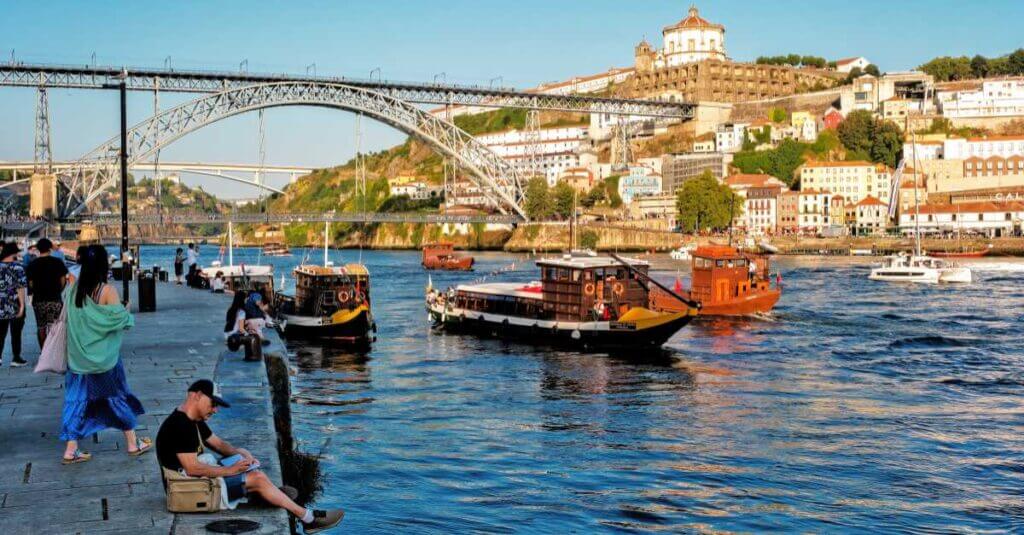
Imagine starting your day with the sound of ocean waves and the smell of fresh sea air. You pour a cup of coffee, open your laptop, and begin working from a sunny balcony overlooking the Atlantic. This isn’t a dream — it’s everyday life in Portugal’s peaceful coastal villages.
More people are discovering that Portugal is not just a travel destination but also one of the best places in Europe for remote work. The mix of modern infrastructure, laid-back lifestyle, and affordable living makes it ideal for digital nomads and freelancers who want a balance between productivity and peace.
From the surf-friendly shores of Ericeira to the calm beaches of Tavira, these remote work Portugal coastal towns offer the perfect setup for anyone looking to combine work with the beauty of the sea. This guide will show you why Portugal stands out for remote professionals, highlight the best coastal villages to live and work in, and share tips to help you create a lifestyle that blends comfort, connection, and inspiration.
Why Portugal Is a Top Remote Work Destination

Portugal has quickly become one of Europe’s favorite destinations for remote workers, and it’s easy to see why. The country combines a high quality of life with an affordable cost of living, all wrapped in a beautiful coastal setting that inspires creativity and calm. Whether you’re freelancing, building a startup, or working remotely for an international company, Portugal offers everything you need to thrive.
One of the biggest advantages is the time zone. Portugal shares a similar working hour range with both Europe and parts of the US, making it easy to collaborate with teams around the world. The internet connection across the country is strong, with most coastal towns offering high-speed fiber options, coworking spaces, and plenty of cozy cafés where you can work comfortably.
The country also provides great visa options for remote workers. Portugal’s D8 Digital Nomad Visa allows non-EU citizens to live and work remotely in Portugal for extended periods. It’s a hassle-free option for those looking to experience the lifestyle without worrying about short-term tourist limits.
Add to this the warm Mediterranean climate, the friendly locals who welcome newcomers with open arms, and a thriving community of digital nomads in popular areas like Lisbon, Lagos, and Ericeira — and you have the perfect setup for remote work.
In Portugal, you don’t just work; you live. You find balance. You enjoy the ocean breeze after a meeting, take evening walks on the beach, and soak in a culture that values simplicity and connection.
8 Coastal Villages for Remote Work
Portugal’s coastline is full of peaceful seaside villages where remote workers can find both comfort and inspiration. These coastal towns are not only beautiful but also practical, offering strong internet, coworking spaces, and friendly communities that make you feel right at home. Whether you’re looking for a surf-friendly hub, a quiet escape, or a lively village with a digital nomad scene, you’ll find a perfect spot among these remote work Portugal coastal towns.
Ericeira
Ericeira is one of the world’s few certified “World Surfing Reserves,” but it’s also a rising favorite among remote professionals. Just 40 minutes from Lisbon, it perfectly combines a relaxed surf culture with modern amenities. You’ll find coworking spaces like “Kelp Cowork” and “The Salt Studio,” fast internet, and countless ocean-view cafés. Rents are reasonable compared to Lisbon, and the community of freelancers and nomads is welcoming. Mornings here begin with a walk by the cliffs, and evenings end with sunset surf sessions — the perfect balance between work and leisure.
Cascais
Cascais is a stylish coastal town that feels like a mix of modern living and small-town charm. Only 30 minutes from Lisbon, it’s ideal for those who want coastal beauty without losing access to the city. The town offers high-end coworking spaces, fast Wi-Fi, and international restaurants. Its seaside promenades and beaches like Praia da Rainha create a relaxed environment that inspires creativity. Cascais is slightly more expensive than other towns, but the convenience and comfort make it worth it for remote workers seeking sophistication and peace.
Lagos
Located in the Algarve region, Lagos offers a blend of natural beauty and a lively community. It’s famous for its golden cliffs, turquoise waters, and welcoming vibe. Lagos has several digital-nomad-friendly cafés and coworking hubs like “CoWorkLab Lagos.” The cost of living is moderate, accommodation options range from cozy studios to seaside apartments, and the Wi-Fi is reliable throughout town. With mild winters and sunny summers, Lagos is a year-round paradise for remote workers looking for both connection and calm.
Tavira
Tavira is one of the Algarve’s best-kept secrets — a peaceful and affordable coastal village perfect for long stays. Known for its traditional Portuguese charm, Tavira sits along the Gilão River and offers easy access to the nearby beaches of Ilha de Tavira. Remote workers love it for its quiet rhythm, affordable rentals, and beautiful architecture. Internet connections are solid, and though coworking spaces are fewer, cafés and guesthouses often welcome remote workers. If you prefer slow living and authentic local culture, Tavira is a gem.
Nazaré
Nazaré is world-famous for its giant winter waves, but beyond the surf, it’s a peaceful fishing village with deep traditions and modern comfort. It’s a perfect spot for remote workers who enjoy scenic beauty and tranquility. The Wi-Fi coverage is strong, and the cost of living is lower compared to southern Portugal. You can work in the morning from your sea-view apartment and spend your evenings watching professional surfers tackle world-record waves. Nazaré brings peace, culture, and awe-inspiring natural beauty together.
Sesimbra
If you want to live close to Lisbon but still enjoy the calm of a small coastal village, Sesimbra is an excellent choice. Just 45 minutes south of the capital, this fishing town offers clear waters, peaceful beaches, and a close-knit community. It has good internet, a few coworking spots, and affordable seaside apartments. It’s also surrounded by the Arrábida Natural Park, making it easy to unwind after work with a hike or a beach walk. For those wanting both proximity and peace, Sesimbra fits perfectly.
Aljezur
Aljezur, located in the western Algarve, is surrounded by rolling hills, cliffs, and wild beaches. It’s a favorite among eco-conscious travelers and remote workers who want to live close to nature. The area has coworking cafés, strong internet, and a growing digital nomad community. The village offers a slower pace of life and a deep connection with the environment — ideal for those who value balance and simplicity.
Porto Covo
Porto Covo is a small but incredibly charming fishing village along the Alentejo coast. It remains one of the least commercialized spots in Portugal, which makes it ideal for focused remote work. The town has strong Wi-Fi, quiet surroundings, and breathtaking sea views. There are cozy guesthouses perfect for long stays, and the nearby Vicentine Coast trails make weekends feel like a dream. For digital nomads who value peace and solitude, Porto Covo is a true sanctuary.
Each of these remote work Portugal coastal towns offers a unique lifestyle — from surfing and community to solitude and inspiration. Whether you want a vibrant atmosphere or a quiet corner by the sea, Portugal’s coast has a place waiting for you.
Cost of Living & Housing
One of the most appealing aspects of the remote work Portugal coastal towns lifestyle is affordability. Compared to other Western European countries, Portugal offers a much lower cost of living without sacrificing comfort, safety, or quality. Remote workers can enjoy a relaxed coastal lifestyle while staying within a reasonable budget, whether they prefer a quiet fishing village or a lively seaside hub.
On average, living expenses for a single remote worker in Portugal’s coastal towns range between €1,200 and €1,800 per month, depending on location and lifestyle choices. Smaller towns like Tavira, Nazaré, or Porto Covo tend to be more affordable, while more popular destinations like Cascais or Lagos may cost slightly more. Rent is usually the biggest expense, but even that remains reasonable by European standards.
Here’s a quick look at what you can expect to spend each month:
- Accommodation: €500–€900 for a one-bedroom apartment (depending on the town and proximity to the beach)
- Food and Groceries: €250–€400 for local markets and eating out occasionally
- Coworking or Wi-Fi expenses: €50–€120 depending on your setup
- Transportation: €40–€80 for public transport or fuel (many small towns are walkable)
- Leisure and recreation: €100–€200 for surfing lessons, gym, or social activities
Most coastal towns offer a mix of short-term rentals and long-stay apartments. For those planning longer stays, many property owners are happy to negotiate discounts. Websites like Idealista and OLX are great places to find apartments, while Facebook groups for digital nomads often feature listings from locals.
Housing standards are generally good, but it’s wise to check for stable internet speeds before booking. Many remote workers prefer renting apartments close to the center or near coworking spaces for convenience.
With a little planning, you can live comfortably in a coastal town, enjoy ocean views every day, and still save money compared to living in major European capitals. The best part? You’ll be surrounded by sunshine, friendly locals, and an easygoing lifestyle that makes every workday feel like a small vacation.
Also Read: Portugal Travel Guide for First Time Visitors (2025 Edition)
Remote-Work Visas & Internet Connectivity

Portugal makes it incredibly easy for remote workers to settle in and enjoy life by the sea. Thanks to supportive government policies, stable internet infrastructure, and a thriving digital nomad community, it’s one of the most welcoming countries for professionals working from anywhere.
Remote-Work Visas
If you’re from the European Union (EU) or European Economic Area (EEA), you can live and work remotely in Portugal without a visa. For non-EU citizens, Portugal introduced the D8 Digital Nomad Visa, which has quickly become one of the best remote-work permits in Europe.
The D8 Visa allows remote workers, freelancers, and entrepreneurs to live in Portugal for up to one year, with an option to renew or convert it into a long-term residence permit. To qualify, applicants typically need to:
- Earn at least €3,280 per month (four times the national minimum wage)
- Provide proof of remote employment or freelance work
- Show accommodation and health insurance for the duration of stay
- Pass a simple background check
This visa not only lets you enjoy Portugal’s coast but also gives you access to the Schengen Area for easy travel across Europe. Many remote professionals find that once they arrive, they end up staying for years thanks to the relaxed lifestyle and supportive expat community.
Internet Connectivity
Reliable internet is essential for remote workers, and Portugal delivers. Most remote work Portugal coastal towns are connected with high-speed fiber internet, even in smaller villages like Tavira or Porto Covo. You can expect download speeds of 100–500 Mbps in urban areas and 50–200 Mbps in quieter coastal towns.
Public Wi-Fi is common in cafés, restaurants, and coworking spaces. Many seaside accommodations now advertise internet speed as a key feature, which is a huge plus for digital nomads. Mobile data is also inexpensive and fast, with providers like MEO, Vodafone, and NOS offering generous prepaid plans that cost around €15–€25 per month.
Coworking spaces are expanding rapidly across the coast. Ericeira, Lagos, and Cascais have modern setups with sea views, meeting rooms, and networking events — ideal for those seeking community. Smaller towns might not have coworking hubs yet, but local cafés are often equipped with power outlets and reliable Wi-Fi, making them great spots to work while enjoying a coffee and ocean breeze.
Between the easy visa process, affordable internet, and inspiring settings, Portugal offers one of the smoothest experiences for remote workers anywhere in Europe.
Tips for Balancing Work & Leisure
Working remotely from Portugal’s coast sounds like a dream, but it’s important to find the right balance between productivity and enjoying the relaxed seaside lifestyle. The beauty of the remote work Portugal coastal towns lies in their ability to help you blend both — work efficiently while living peacefully by the ocean. Here are some practical and local-inspired tips to make the most of your experience.
1. Create a Clear Work Routine
Even though the ocean might call you for an early swim, structure is key. Set specific working hours that align with your most productive times. Many remote workers in Portugal prefer starting early — around 8 or 9 a.m. — and finishing by 3 or 4 p.m., leaving afternoons free for exploration or relaxation. Having a consistent schedule keeps you focused and prevents work from blending into your personal time.
2. Choose the Right Workspace
Where you work influences how well you work. Many coastal towns have coworking spaces or quiet cafés with strong Wi-Fi. In places like Ericeira or Lagos, you’ll find coworking spots designed for digital nomads, complete with community events and networking opportunities. In smaller towns like Tavira or Porto Covo, peaceful cafés or your apartment balcony overlooking the sea can serve as your ideal office. The key is comfort, light, and a reliable connection.
3. Take Breaks Outdoors
Portugal’s sunny climate makes it easy to step outside for fresh air whenever you need a mental reset. Use short breaks to walk on the beach, stretch, or grab a pastel de nata (custard tart) at a nearby café. Exposure to sunlight boosts energy, improves focus, and reminds you why you chose this lifestyle in the first place.
4. Embrace the Local Rhythm
One of the best ways to balance work and leisure is to adjust to Portugal’s slower, more relaxed pace. Lunches are long, evenings are social, and weekends are meant for family or exploration. Don’t rush — instead, enjoy the rhythm. This mindset not only reduces stress but also helps you integrate better into the community.
5. Explore on Weekends
Every coastal town has something special to offer. Spend weekends surfing in Ericeira, kayaking in Lagos, or hiking through the cliffs of Aljezur. If you’re near Lisbon, take short trips to Sesimbra or Cascais for a quick reset. Use these moments to disconnect from screens and reconnect with nature. Traveling locally also supports small businesses and helps you discover hidden gems along the coast.
6. Stay Connected with Other Nomads
Portugal has a thriving digital nomad community. Joining Facebook groups or local meetups can help you make friends, share tips, or even collaborate on projects. Towns like Ericeira, Lagos, and Lisbon often host weekly coworking events, beach cleanups, and networking sessions. Building connections keeps you motivated and supported while abroad.
7. Keep Work-Life Boundaries Clear
When your home doubles as your office, it’s easy to overwork. Make sure to switch off completely after work hours — close your laptop, step outside, and do something that feels rewarding. Whether it’s cooking local seafood, watching the sunset, or reading by the ocean, these moments recharge your creativity for the next day.
8. Learn a Little Portuguese
While many locals speak English, learning simple Portuguese phrases like bom dia (good morning) or obrigado/a (thank you) goes a long way. It helps you build friendships and feel more connected to the culture. This sense of belonging greatly enhances your overall well-being and happiness while working remotely.
Balancing work and leisure in Portugal isn’t about strict rules — it’s about embracing a lifestyle that values joy, community, and purpose. When you live by the sea, you naturally learn to slow down, stay present, and appreciate the small details that make each day meaningful.
Expert Tips or Local Secrets
Living and working in the remote work Portugal coastal towns is about more than just Wi-Fi and sea views — it’s about blending in with the rhythm of coastal life. Locals and experienced digital nomads have learned a few secrets that can make your stay smoother, more affordable, and more enjoyable. Here are some insider tips to help you live like a local and work like a pro.
1. Visit in the Shoulder Seasons
Portugal’s coastal towns are busiest in July and August, when tourists fill the beaches and prices rise. If you want peace, plan your stay in the shoulder seasons — April to June or September to November. You’ll enjoy mild weather, fewer crowds, and better accommodation deals, all while keeping the relaxed coastal charm.
2. Rent for the Long Term
Instead of booking through platforms like Airbnb, look for long-term rentals on Idealista.pt, Imovirtual, or Facebook housing groups. Landlords often give significant discounts for stays longer than one month. This not only saves money but also helps you settle in and feel part of the local community.
3. Buy Local SIM Cards and Use eSIMs
Portugal’s main mobile carriers — MEO, Vodafone, and NOS — offer great prepaid and eSIM plans with fast 5G coverage. A local SIM can be a lifesaver if Wi-Fi ever drops or if you like working outdoors. Plans usually cost around €15–€25 and provide enough data for video calls and remote work.
4. Discover Hidden Cafés with Wi-Fi
In towns like Lagos, Tavira, or Ericeira, there are plenty of lesser-known cafés where you can work peacefully. Ask locals or join expat groups — you’ll quickly learn about cozy spots with ocean views, power outlets, and strong coffee. A few favorites among nomads include The Mill (Lagos), Aldeia Cowork Café (Ericeira), and Casa das Portas (Tavira).
5. Join Local Markets for Fresh Produce
Skip the big supermarkets and visit local markets like Mercado da Vila (Cascais) or Mercado de Lagos. You’ll get fresh seafood, fruits, and vegetables at lower prices while supporting small farmers. Cooking local meals not only saves money but also lets you experience Portugal’s authentic flavors.
6. Learn the “Siesta” Hours
Many small shops and services close for a few hours in the afternoon — usually between 1:00 p.m. and 3:00 p.m.. Plan your day accordingly: do grocery shopping early, have lunch during this time, or take a beach walk. Once you adapt to this local rhythm, you’ll enjoy a more relaxed and balanced daily routine.
7. Explore Beyond the Tourist Spots
Some of the best moments in Portugal come when you wander off the main paths. Visit hidden beaches like Praia da Amoreira in Aljezur or Praia do Cavaleiro near Porto Covo. These spots are quiet, stunning, and often missed by tourists — perfect for recharging after a long workweek.
8. Get a Portuguese Bank Account (Optional)
If you plan to stay longer than a few months, consider opening a local bank account with Wise, Revolut, or a Portuguese bank like Millennium BCP. It simplifies rent payments, reduces transaction fees, and helps you manage expenses more efficiently.
9. Join Coworking and Nomad Events
Towns like Ericeira, Lagos, and Lisbon often host events like Nomad Meetups, Skill Swaps, or Beach Cleanups. These are great for building friendships, finding collaborations, and staying motivated. Networking with other remote professionals can open unexpected doors and make your stay even more rewarding.
10. Don’t Rush — Enjoy the Simplicity
Portugal teaches you to slow down. Enjoy your morning coffee without hurry, greet neighbors, and spend time watching the sunset after work. These small daily rituals bring peace and remind you why you chose the remote lifestyle in the first place.
Living in the remote work Portugal coastal towns isn’t just about working remotely — it’s about rediscovering balance, purpose, and joy in everyday life. Once you experience it, it’s easy to see why so many remote professionals choose to stay longer than planned.
Common Mistakes or Myths About Remote Work in Portugal

While working remotely from Portugal’s coast sounds like a dream come true, many newcomers make small mistakes that can affect their experience. To help you avoid common pitfalls and enjoy your time in the remote work Portugal coastal towns, here are a few myths and truths every digital nomad should know.
1. Myth: Every Coastal Town Has Strong Internet
Although most of Portugal has reliable fiber connections, not every remote village has high-speed coverage. Some smaller areas along the Alentejo coast or in remote Algarve regions may experience slower speeds. Before booking long-term stays, always check the Wi-Fi speed or ask the host for a screenshot of their internet test. In general, towns like Ericeira, Cascais, and Lagos have excellent connectivity, while others might require mobile data backup.
2. Mistake: Ignoring the Seasonal Changes
Many people assume Portugal is always warm and sunny. While the weather is mild compared to the rest of Europe, coastal areas can get windy and rainy between December and February. Some cafés or coworking spaces even shorten their hours during winter. To stay comfortable, plan for layers, check seasonal apartment prices, and make use of the off-season to enjoy peace and lower costs.
3. Myth: You Can Work From the Beach Every Day
Working by the ocean sounds romantic, but the reality is different. Glare from the sun, unstable Wi-Fi, and blowing sand make beaches less ideal for real work. Instead, choose beach-view cafés or coworking spaces where you can enjoy the view without sacrificing productivity. The best compromise is spending mornings working indoors and heading to the beach in the afternoon to unwind.
4. Mistake: Not Registering for Residency or Tax Purposes
Some long-term remote workers forget that if they stay longer than 183 days per year, they may be considered tax residents. Portugal has the Non-Habitual Resident (NHR) program that offers tax benefits for foreign professionals, but you must register properly to take advantage of it. It’s best to consult a local accountant or expat community for advice if you plan to stay long-term.
5. Myth: It’s Too Expensive to Live by the Coast
While prices have risen slightly in popular towns like Cascais and Lagos, Portugal’s coastal living is still much more affordable than in France, Spain, or Italy. Smaller towns such as Tavira, Nazaré, and Porto Covo offer beautiful living spaces and sea access for half the price. The key is to explore beyond the tourist areas and negotiate long-term rental rates directly with landlords.
6. Mistake: Overworking and Forgetting to Explore
Many remote workers fall into the trap of overworking, even when surrounded by paradise. Remember that one of the biggest benefits of remote work in Portugal is lifestyle flexibility. Use your free time to explore hidden beaches, enjoy local cuisine, or simply slow down. The coastal lifestyle is meant to bring balance, not burnout.
Avoiding these simple mistakes will help you make the most of your stay in Portugal. When you approach remote work with balance, awareness, and curiosity, your coastal experience will be far more rewarding than you ever imagined.
Also read: Best Off-Season Places to Visit in Portugal – Travel Without the Crowds
Cost of Living & Best Coastal Towns for Remote Work in Portugal
| Coastal Town | Vibe & Lifestyle | Average Monthly Rent (1BR) | Internet Speed (Mbps) | Best For | Nearby Coworking / Café Spots |
|---|---|---|---|---|---|
| Ericeira | Surf culture, creative hub | €700–€900 | 100–300 | Surf-loving digital nomads | Kelp Cowork, The Salt Studio |
| Cascais | Modern, upscale, city access | €900–€1,200 | 200–500 | Professionals seeking comfort & luxury | Impact House, LACS Cascais |
| Lagos | Lively yet relaxed Algarve town | €700–€1,000 | 100–300 | Year-round sunshine & digital nomad meetups | CoWorkLab Lagos, The Mill |
| Tavira | Quiet, authentic Portuguese charm | €500–€800 | 50–150 | Affordable long stays & slow life | Casa das Portas Café, Nomad Tavern |
| Nazaré | Peaceful fishing town, big waves | €600–€800 | 100–200 | Scenic views & low-cost living | Praia Café, Surf4You Lounge |
| Sesimbra | Close to Lisbon, family-friendly | €700–€950 | 100–250 | City workers seeking seaside calm | Sesimbra Cowork, Loft Café |
| Aljezur | Nature escape, eco-friendly | €500–€750 | 50–150 | Writers & creatives needing solitude | Aljezur Cowork, Moagem Café |
| Porto Covo | Small village, untouched beauty | €450–€700 | 50–100 | Peace, silence, and focus | O Pescador Café, local guesthouses |
Frequently Asked Questions (FAQs)
1. What makes Portugal ideal for remote work?
Portugal offers a perfect balance of affordability, safety, and quality of life. It has reliable internet, a friendly community, and a laid-back coastal lifestyle that helps remote workers stay productive and relaxed.
2. Which are the best coastal towns in Portugal for remote workers?
Some of the best remote work Portugal coastal towns include Ericeira, Lagos, Cascais, Tavira, Nazaré, Sesimbra, Aljezur, and Porto Covo. Each offers great internet, affordable housing, and a peaceful environment for focused work.
3. How much does it cost to live in Portugal’s coastal towns?
On average, a remote worker can live comfortably for €1,200 to €1,800 per month. Rent takes the biggest share, but groceries, transportation, and entertainment are all more affordable than in most Western European countries.
4. Do I need a visa to work remotely in Portugal?
EU/EEA citizens don’t need a visa, but non-EU citizens can apply for the D8 Digital Nomad Visa. It allows you to live and work in Portugal for up to one year, with an option to extend or transition into residency.
5. Is the internet reliable in smaller coastal towns?
Yes, most towns along the coast have high-speed fiber internet. Even in smaller villages like Tavira or Porto Covo, connections are strong enough for remote work. Mobile data is also fast and affordable for backup.
6. What’s the best time of year to live and work on Portugal’s coast?
The best time to stay is during the shoulder seasons — from April to June and September to November. You’ll enjoy mild weather, fewer tourists, and lower rental costs while still experiencing plenty of sunshine.
7. Are coworking spaces common in coastal Portugal?
Yes, coworking spaces are growing fast. Towns like Ericeira, Lagos, and Cascais have dedicated hubs for digital nomads. Smaller villages often have cafés with reliable Wi-Fi where remote workers gather to work and network.
8. Is Portugal affordable compared to other European countries?
Absolutely. Portugal’s cost of living is significantly lower than in France, Spain, or Germany. Coastal towns are particularly attractive because they offer seaside living at half the cost of major European cities.
9. Can I work from Portugal long-term?
Yes, many remote workers stay long-term through the D8 Visa or by applying for residency under Portugal’s Non-Habitual Resident (NHR) program, which provides tax advantages for foreign professionals.
10. How can I stay productive while enjoying the beach life?
Set clear work hours, choose a comfortable workspace, and make time for leisure. Enjoy the mornings for deep work and the afternoons for the beach, walks, or local food. Balance is the secret to long-term productivity in Portugal.
Conclusion
Portugal’s coastline is more than a scenic getaway — it’s a gateway to a balanced, fulfilling lifestyle. For digital nomads, freelancers, and entrepreneurs, the remote work Portugal coastal towns offer the perfect mix of calm, connectivity, and community. From the surf haven of Ericeira to the peaceful charm of Tavira, each town tells a different story but shares the same relaxed spirit that makes work feel effortless and life more meaningful.
Here, mornings begin with ocean views, and evenings end with golden sunsets. The cost of living is manageable, the internet is strong, and the local culture encourages you to slow down and enjoy life’s simple pleasures. Whether you’re staying for a few months or making Portugal your long-term home, the coast provides a rhythm that keeps you motivated yet grounded.
If you’re searching for a place where work doesn’t feel like work — where you can grow professionally while living peacefully — Portugal’s coastal villages are waiting for you. Pack your laptop, your sense of adventure, and your curiosity for the good life. You’ll find that working remotely by the sea isn’t just a dream — it’s your next chapter.